My Father
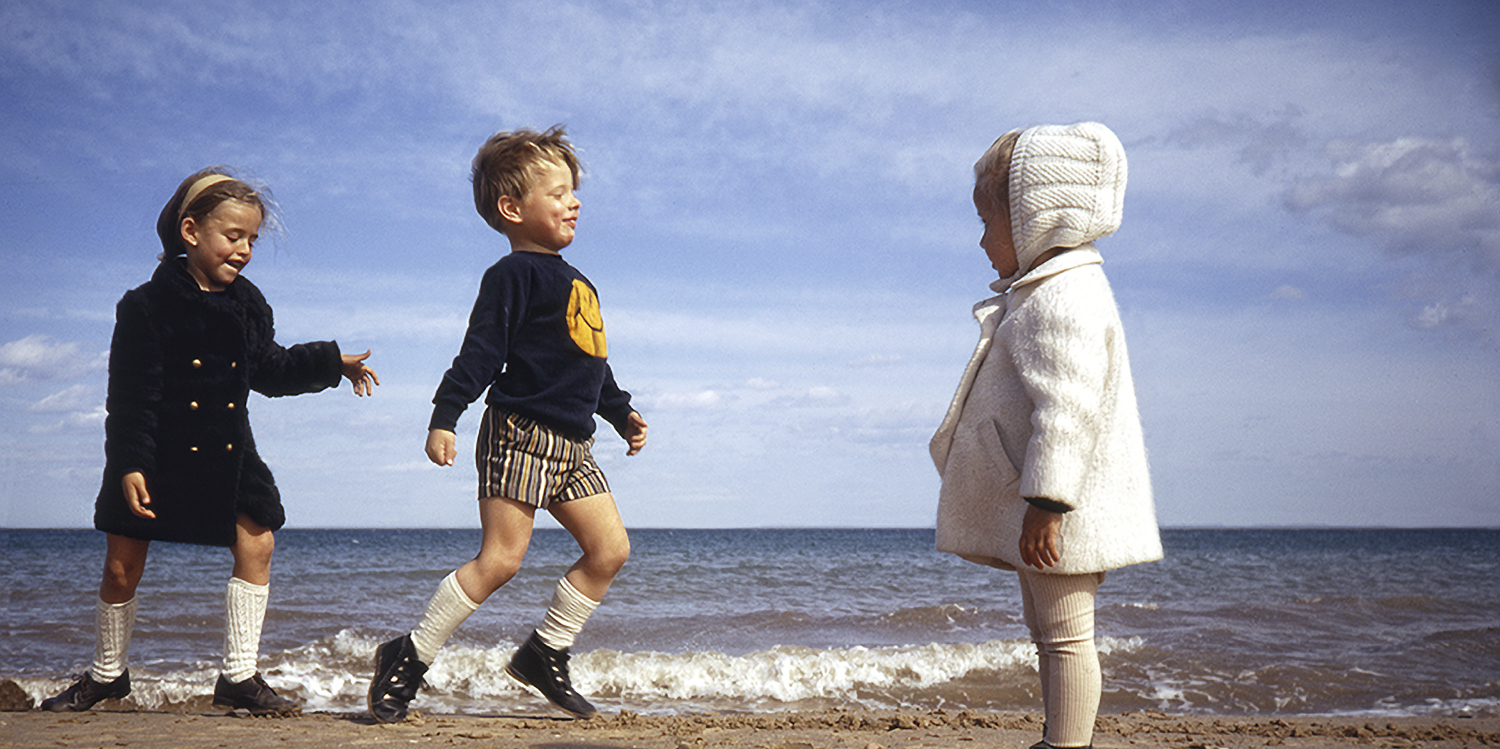
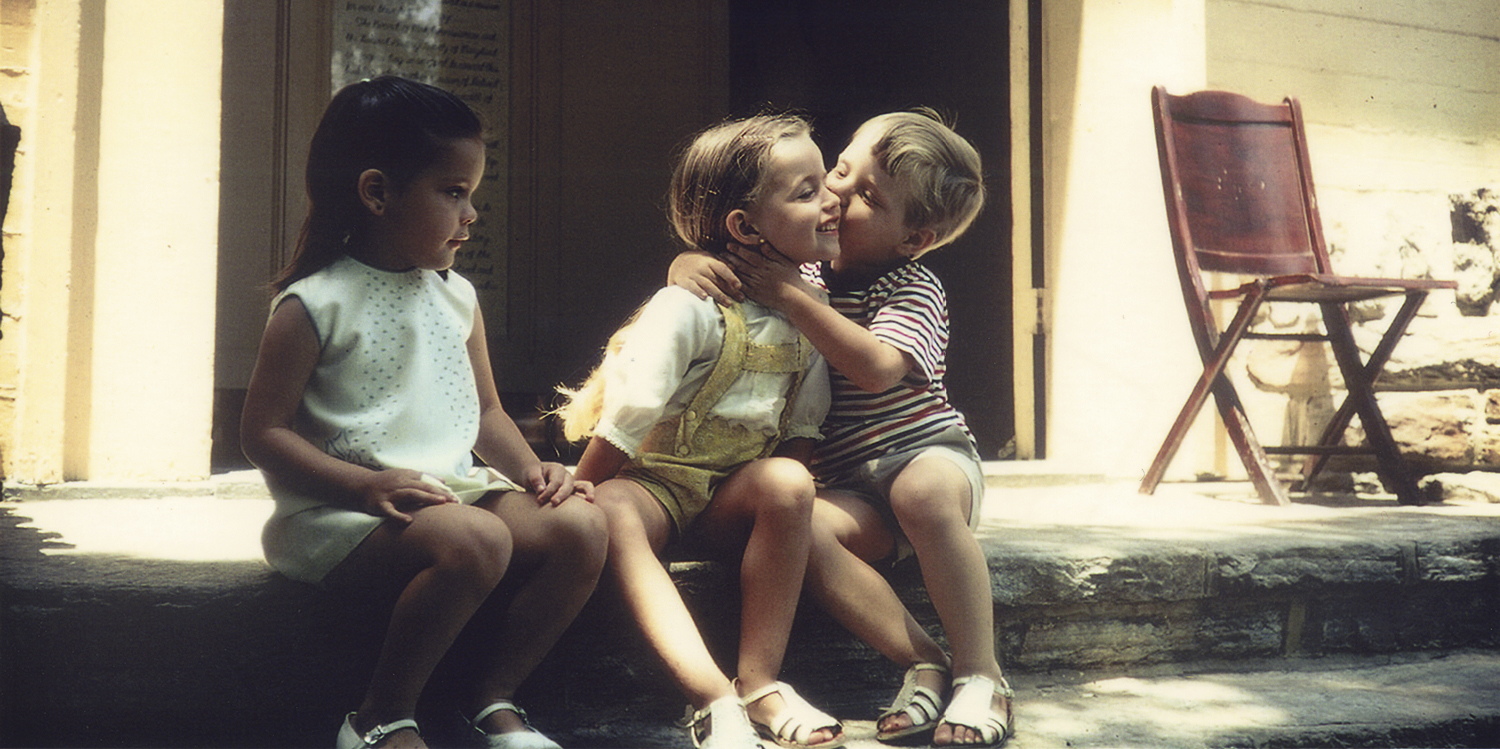
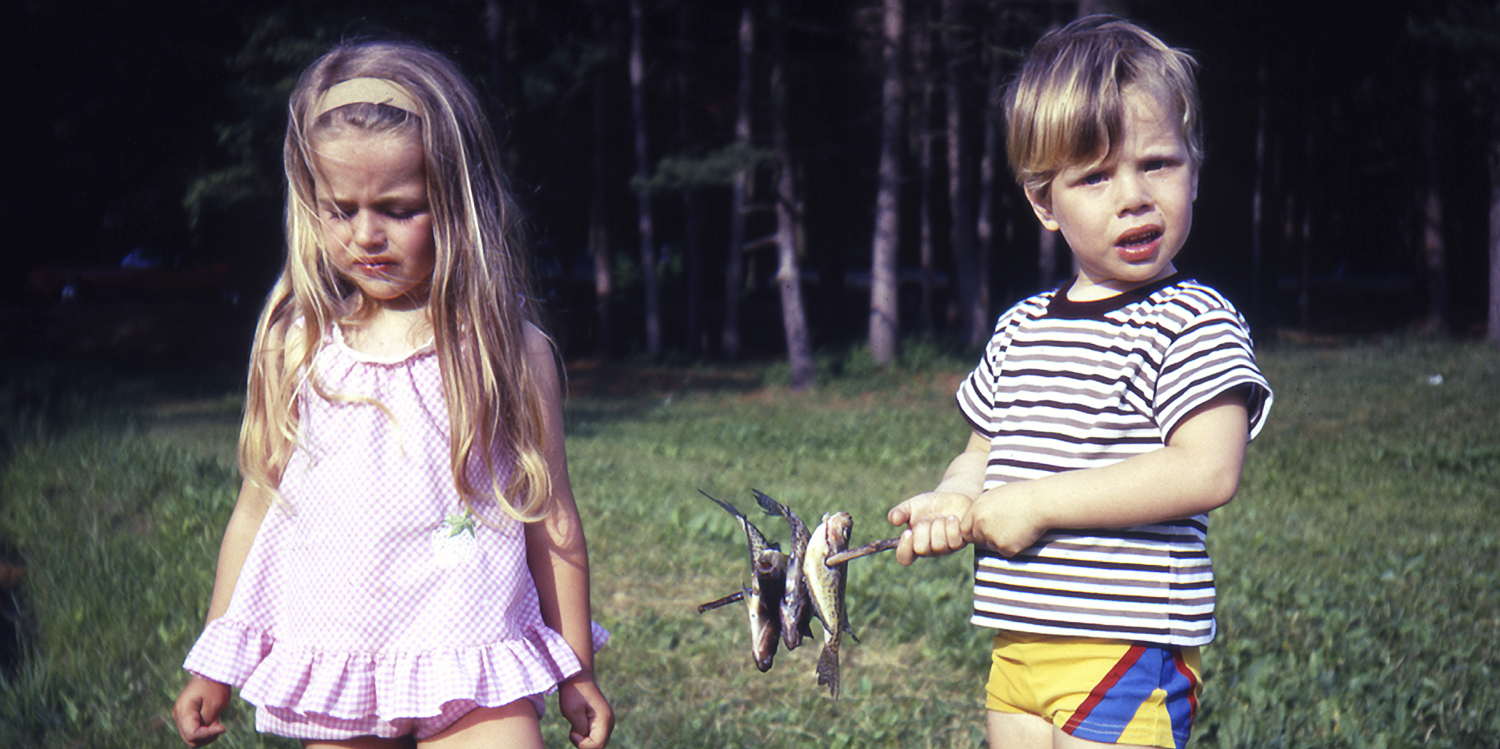
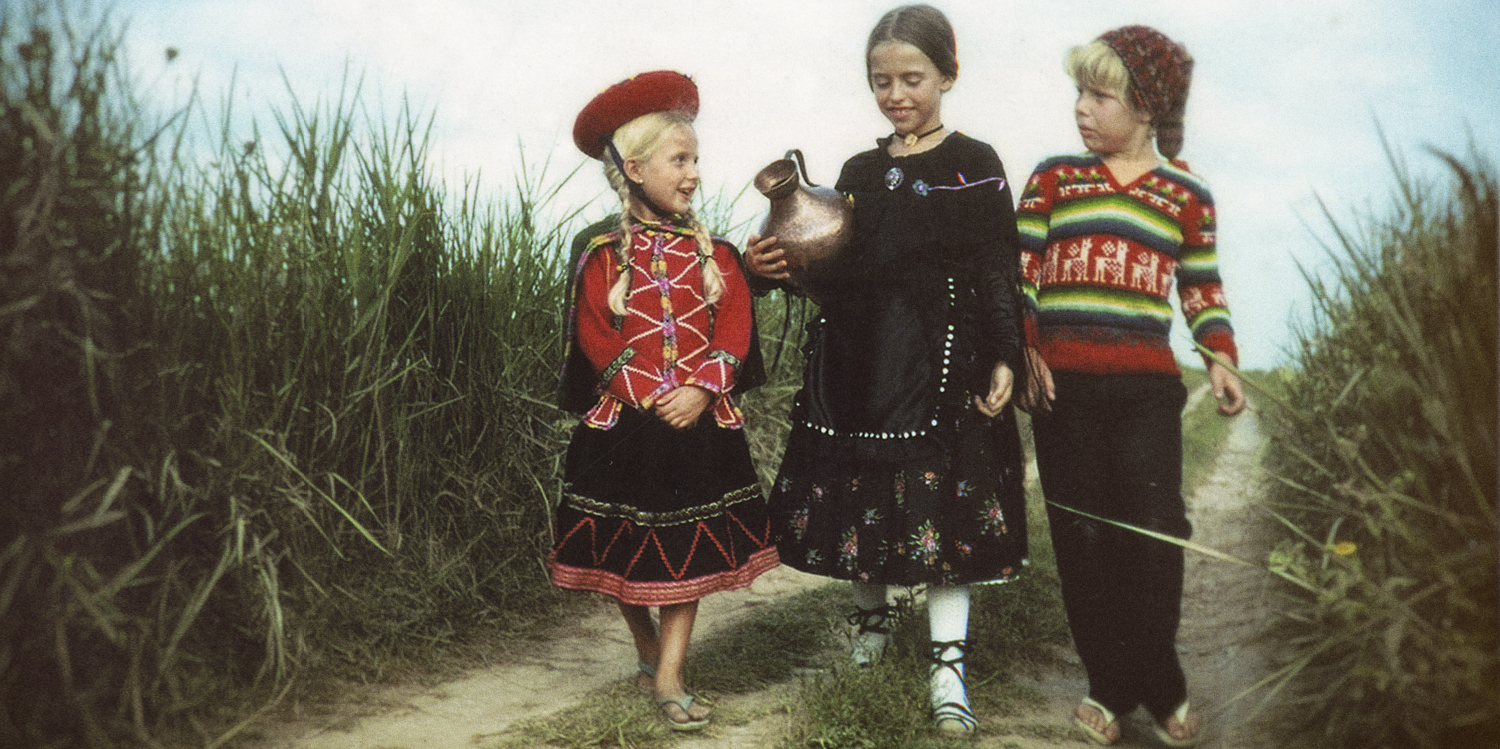
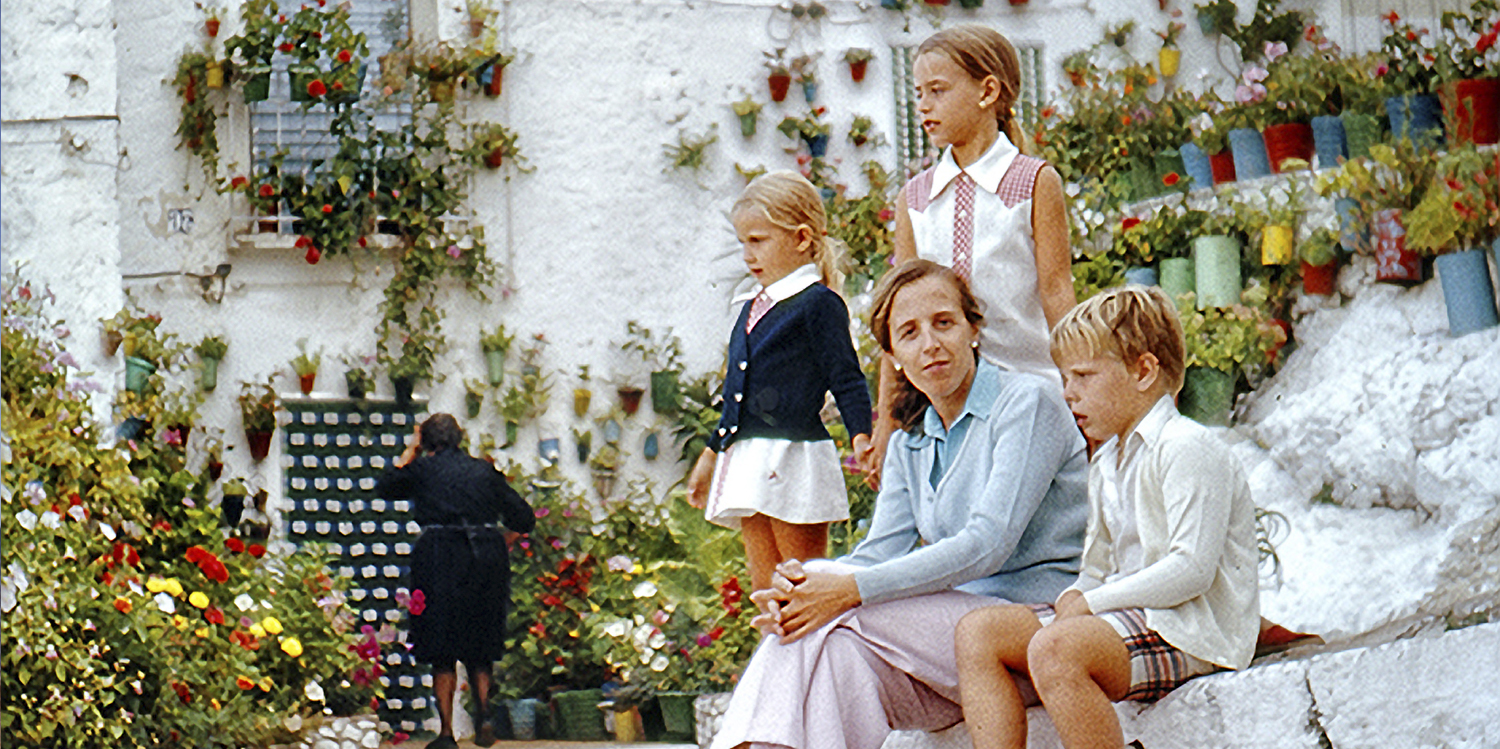
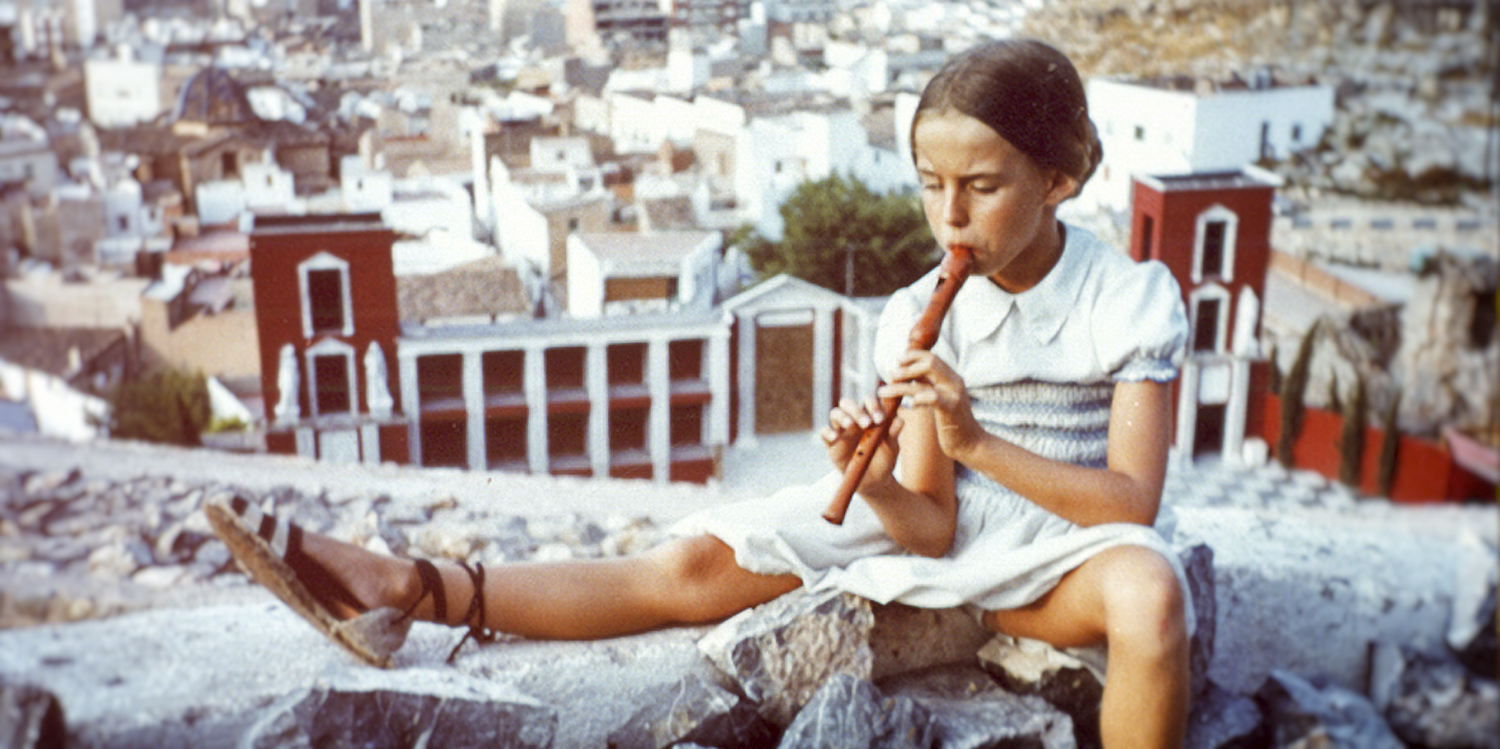
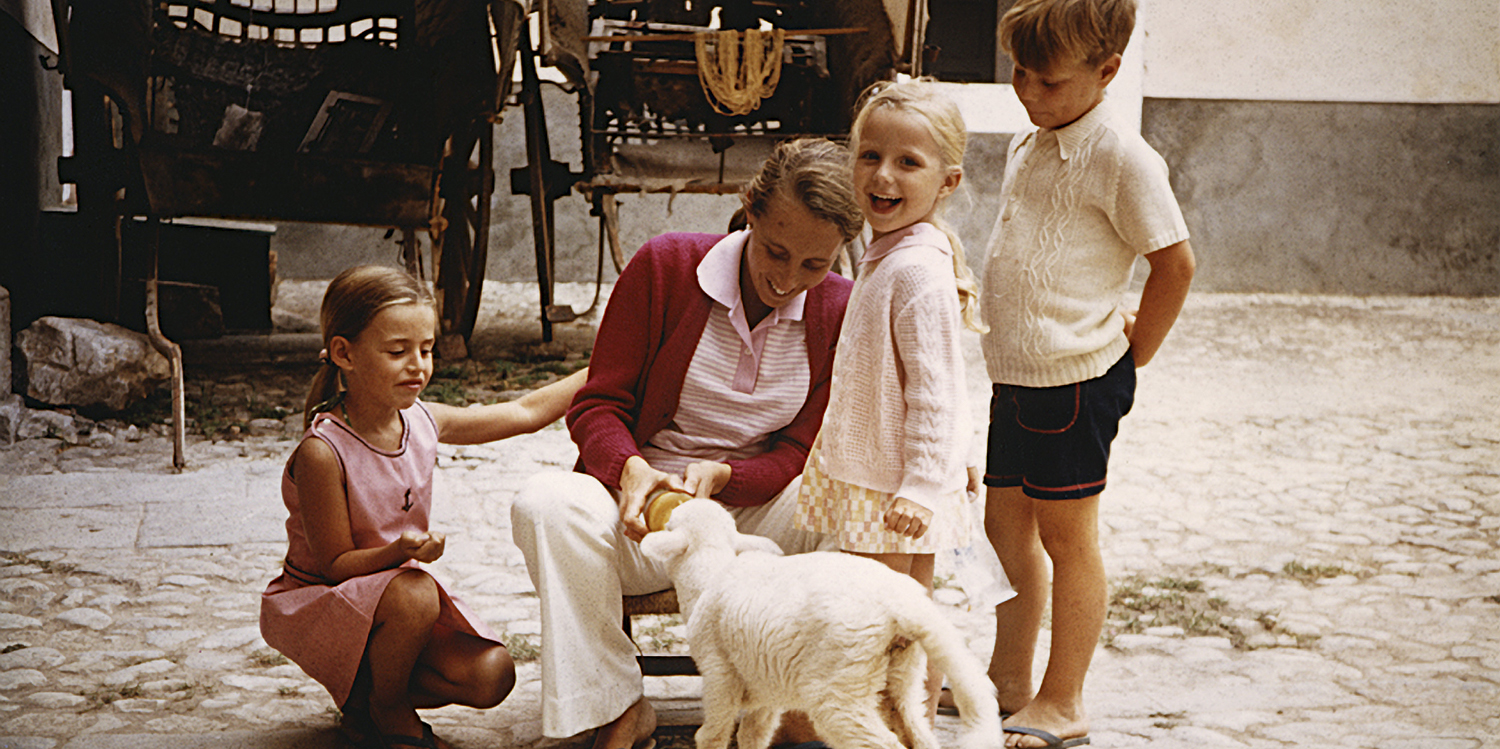

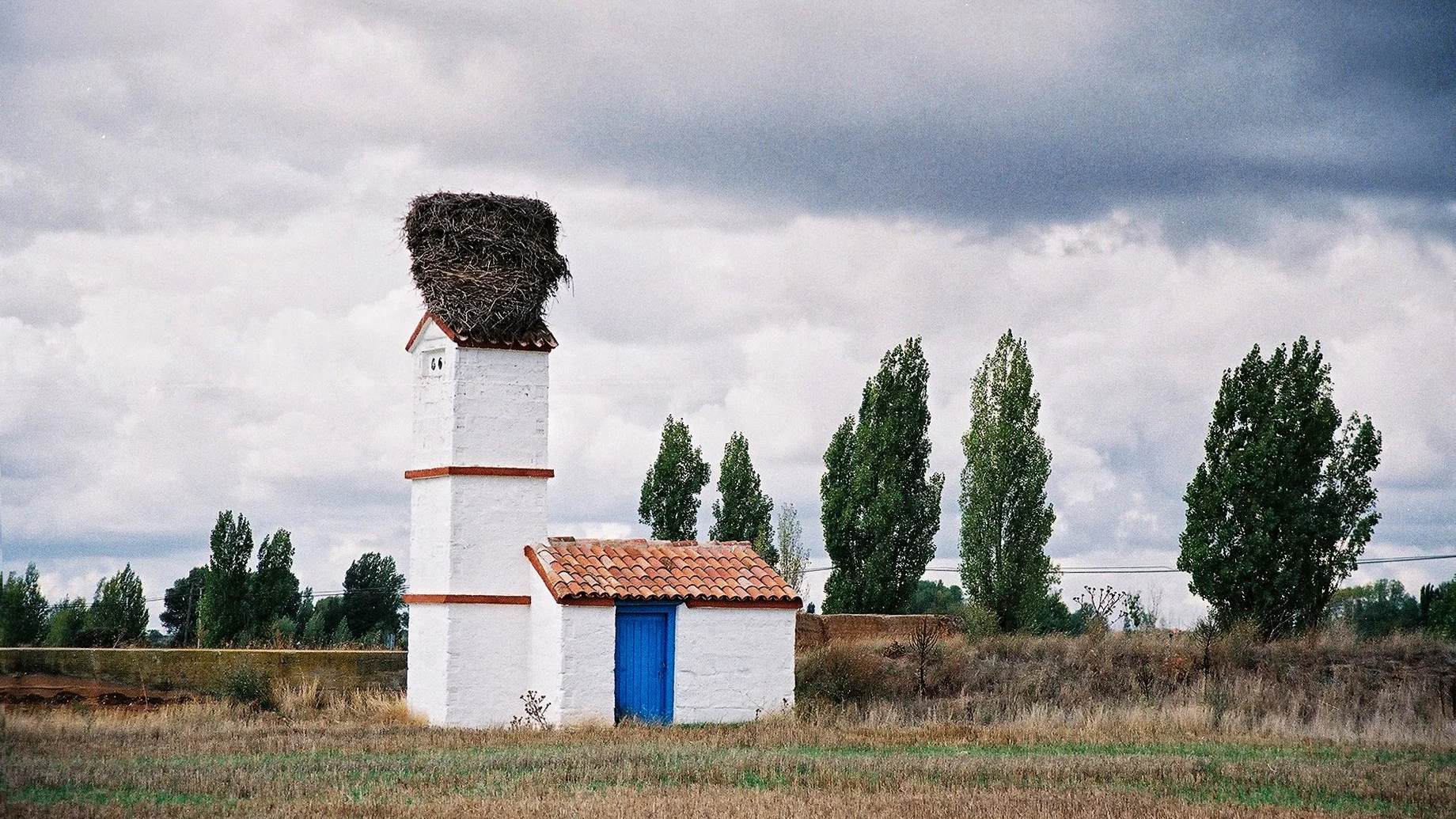
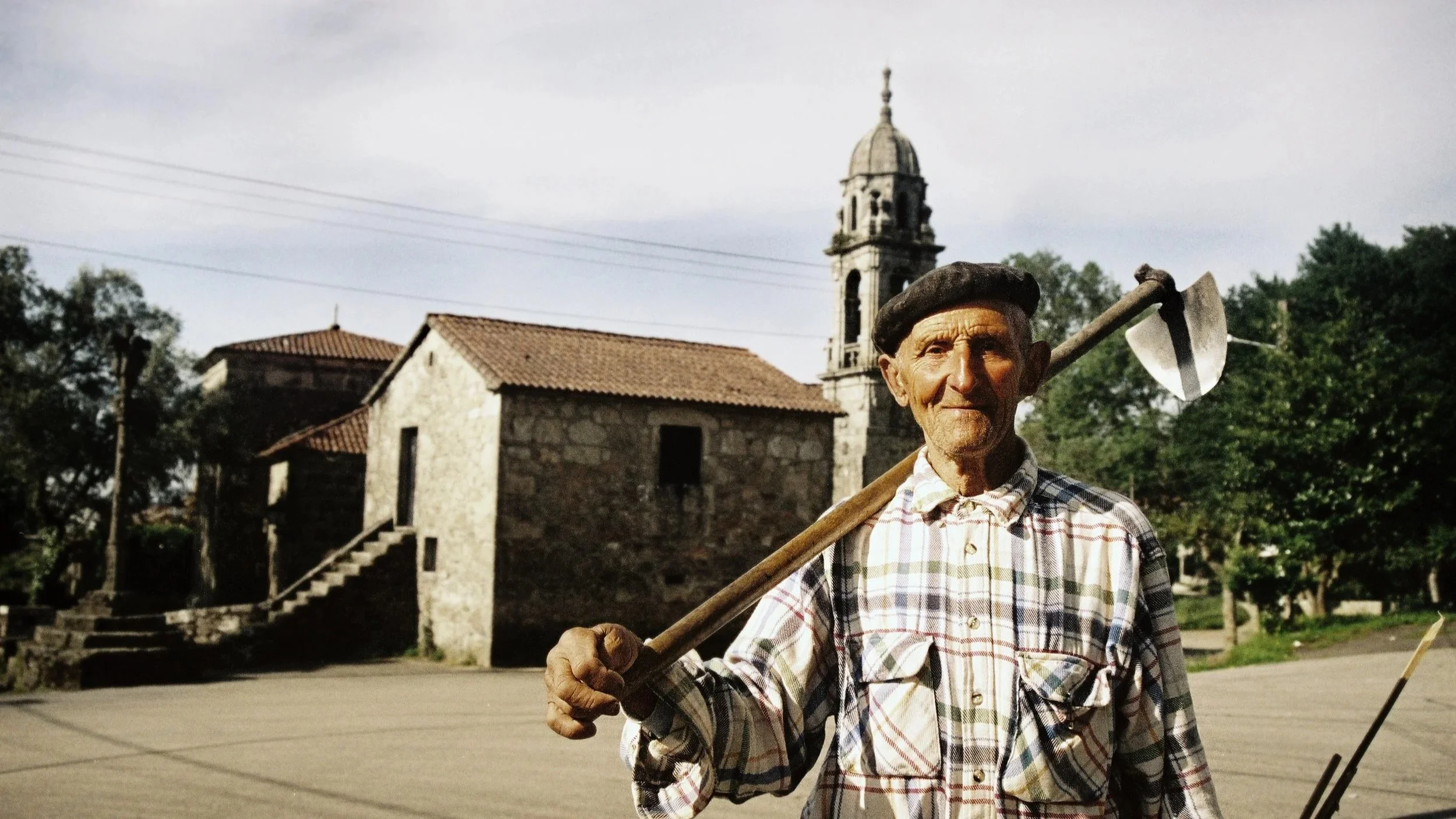
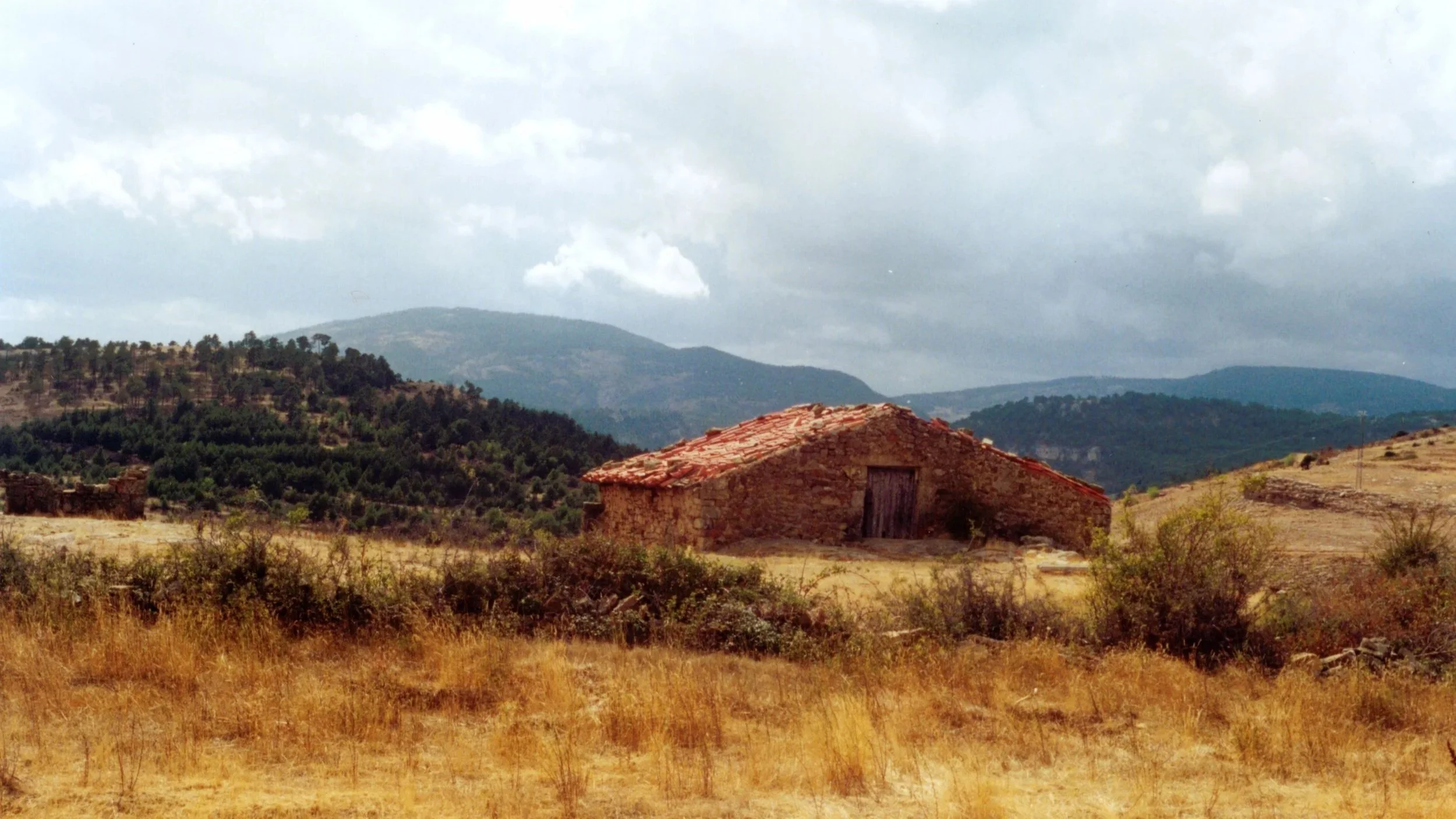
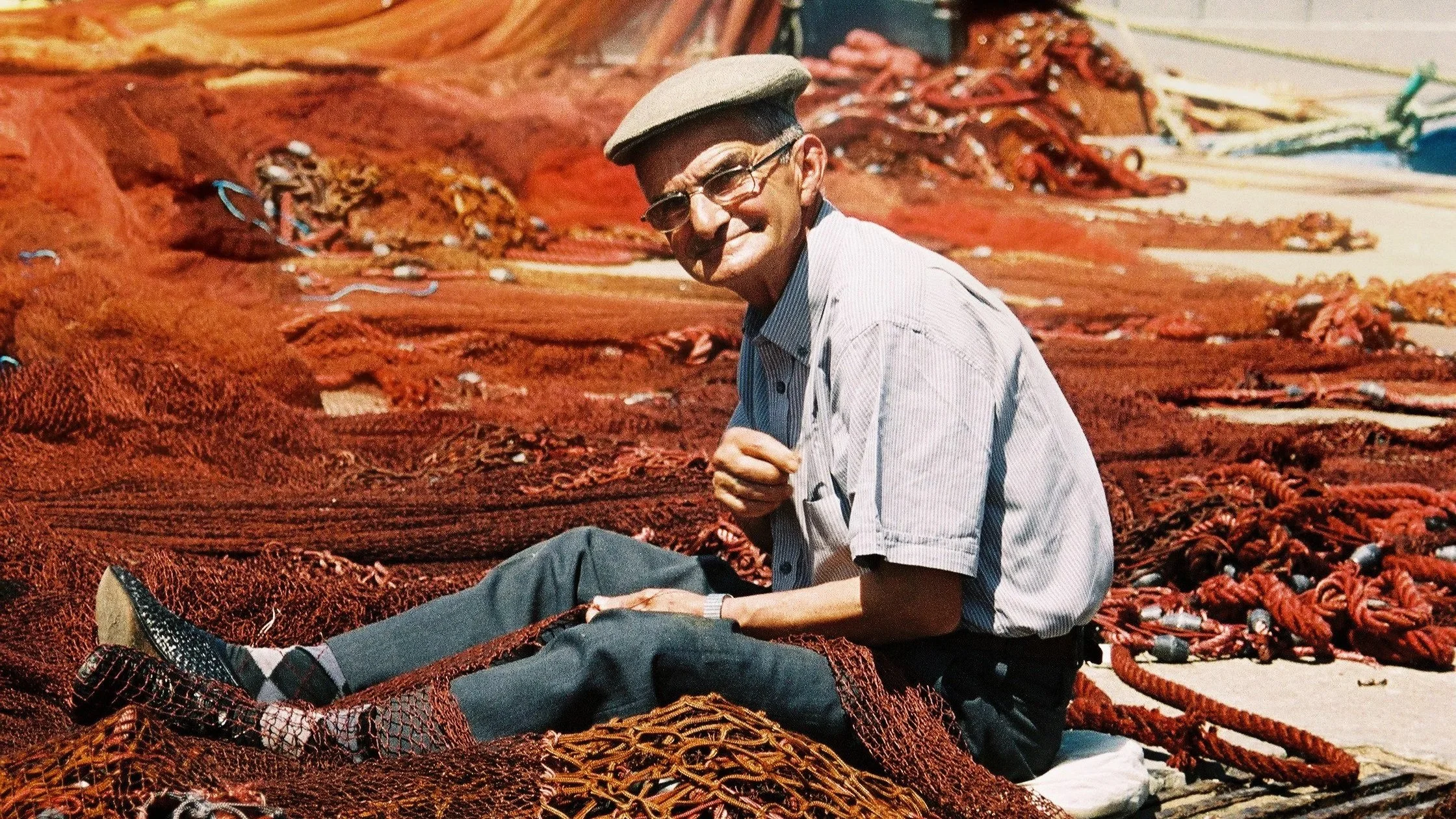
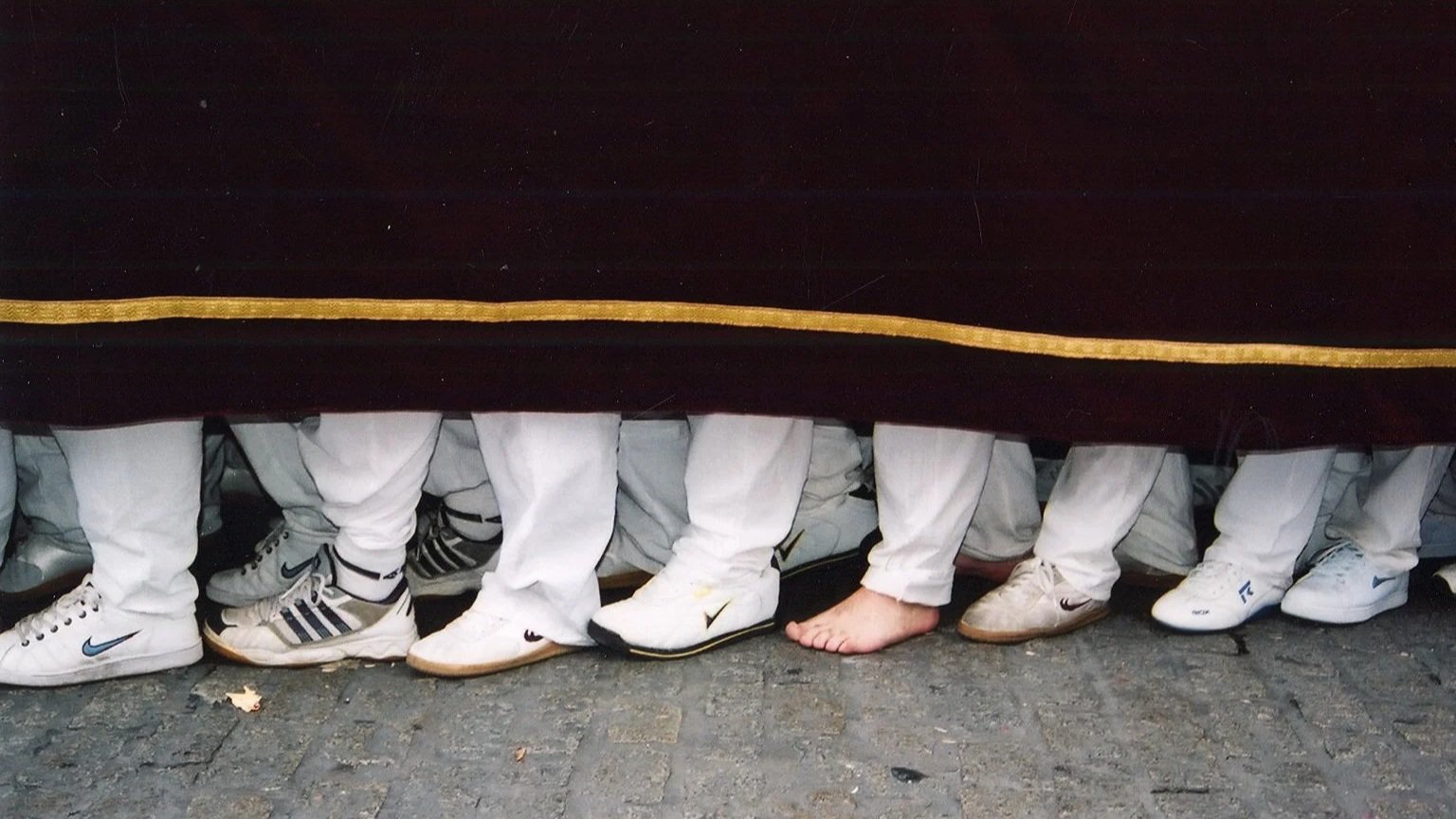
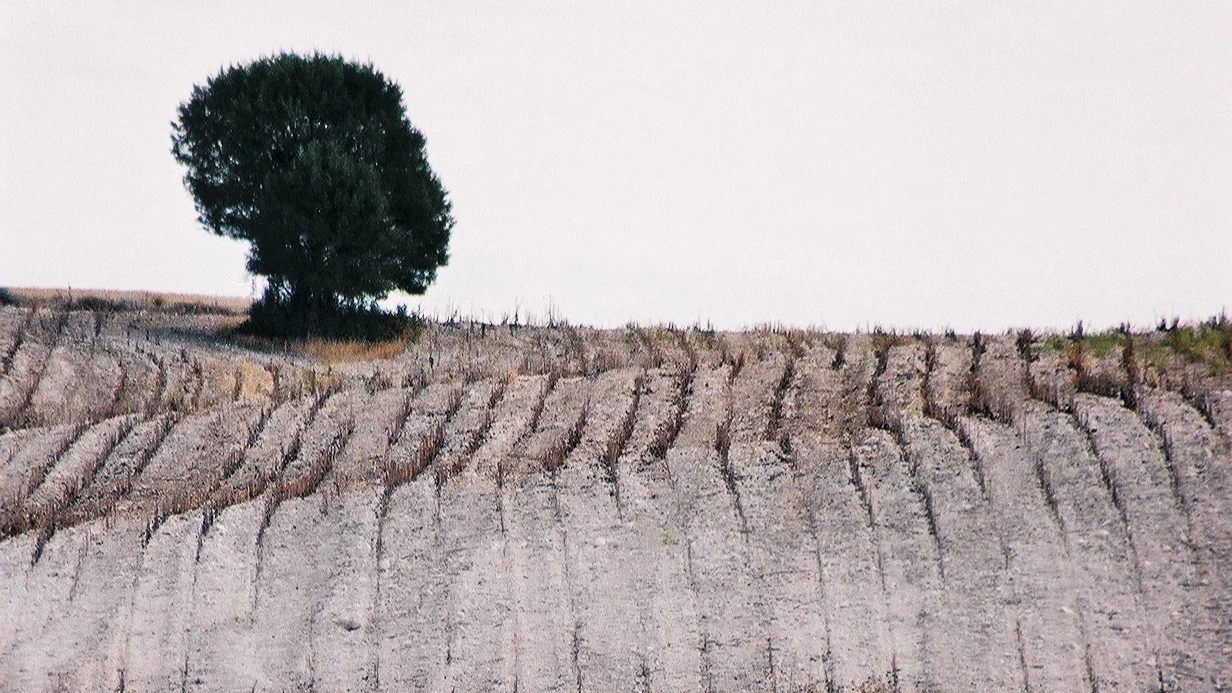
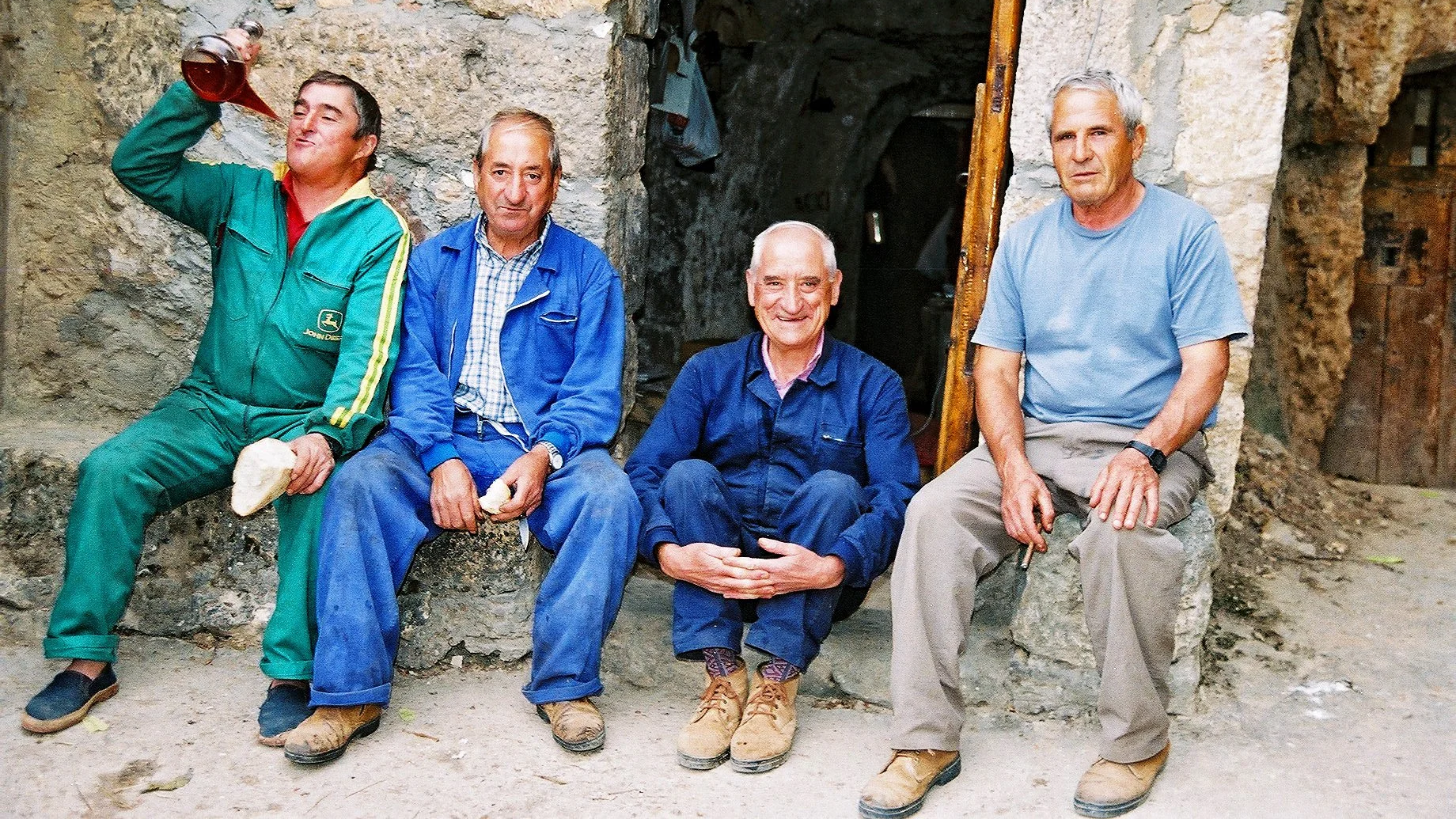
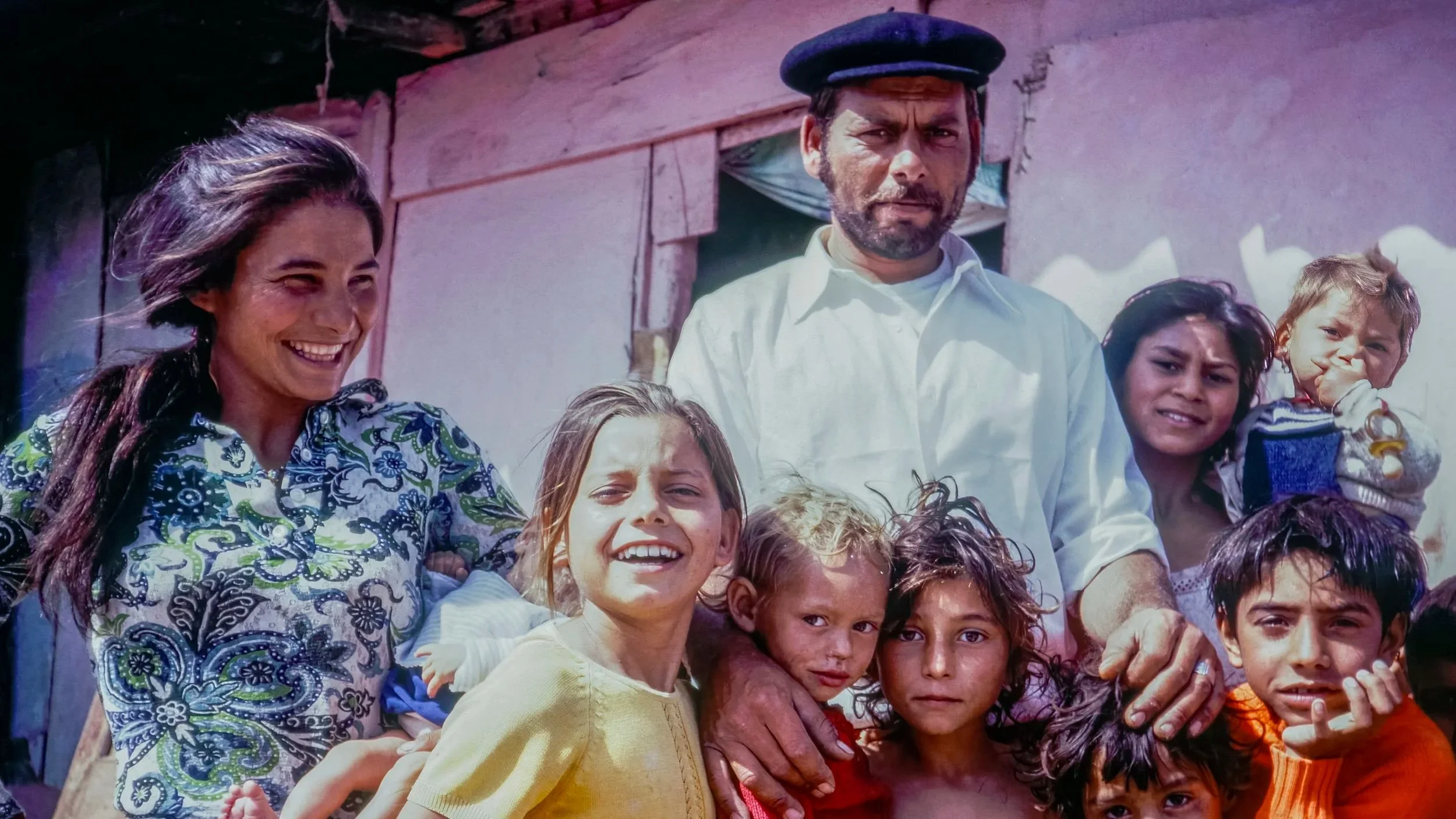
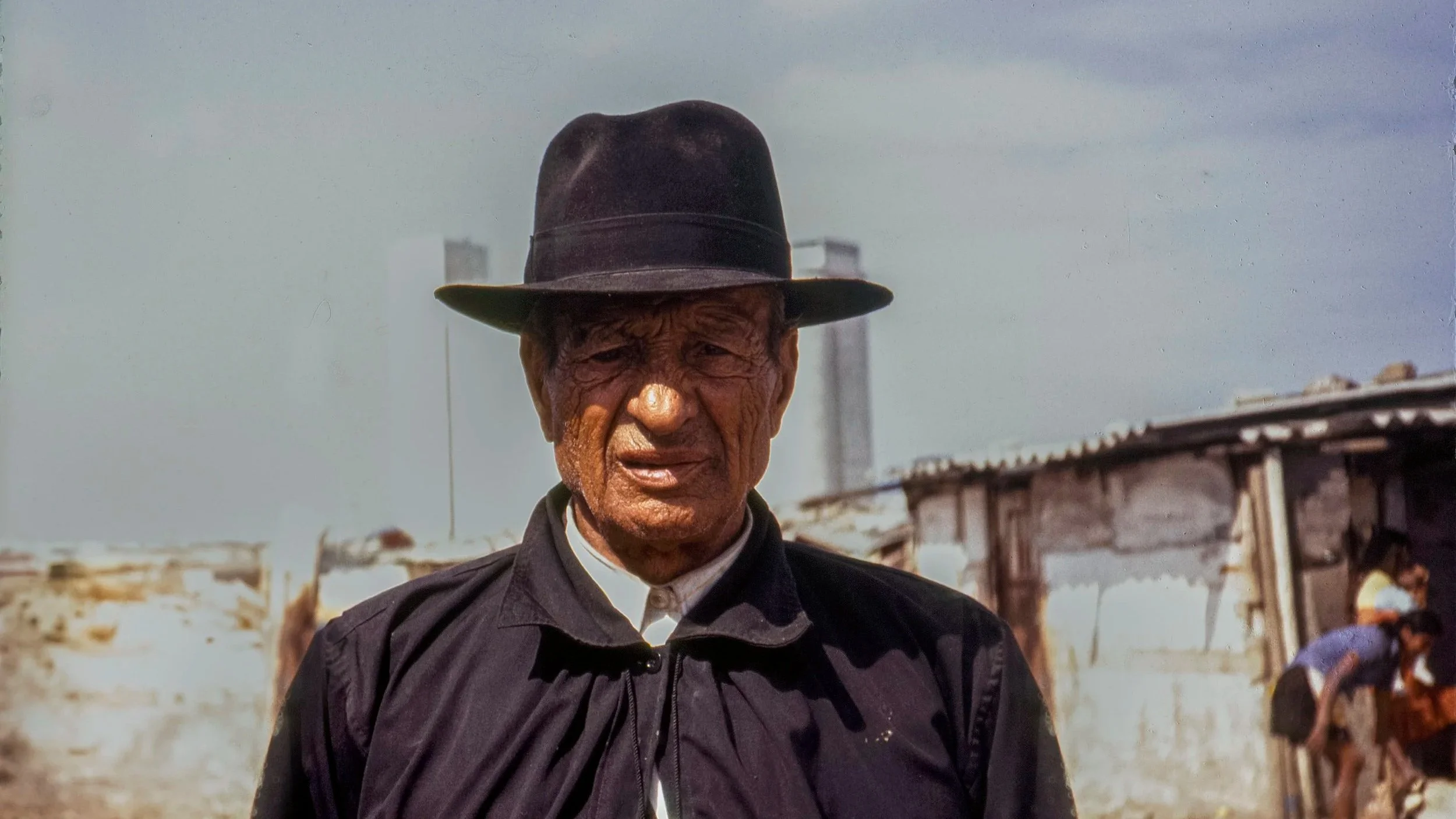
My father, Emilio Ayestaran, didn't just photograph people; he stood with them. Whether volunteering as a pediatrician in South America or walking the ancient paths of the Camino de Santiago, his lens was always focused on the dignity of those on the margins. He was a Fulbright scholar who preferred the company of shepherds and secret artisans.
These 35mm frames are the roots of my own visual language. You can see his influence in the way I seek out the 'human factor' in every landscape. He taught me that a portrait is a shared moment of trust—a lesson I still carry to this day into every photo I take.
Mai
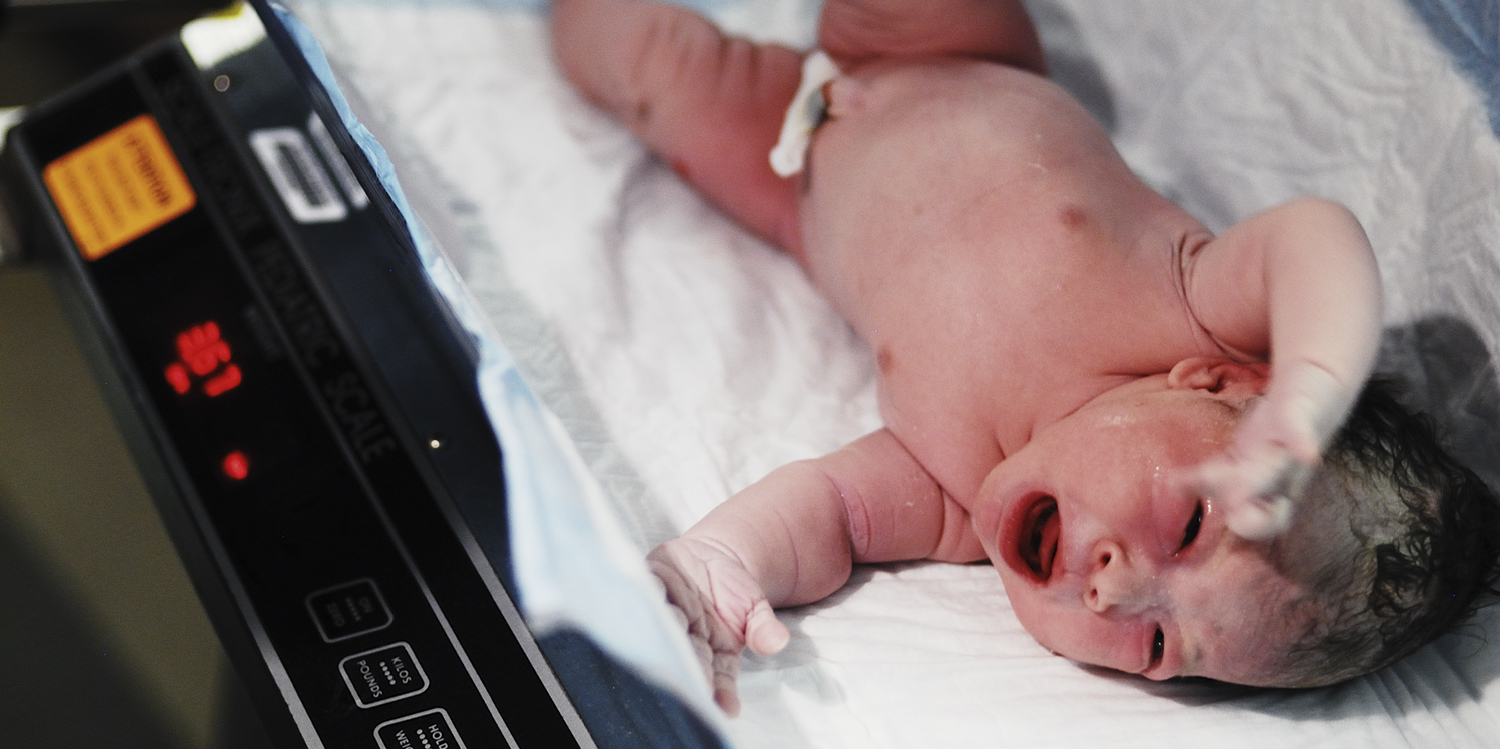

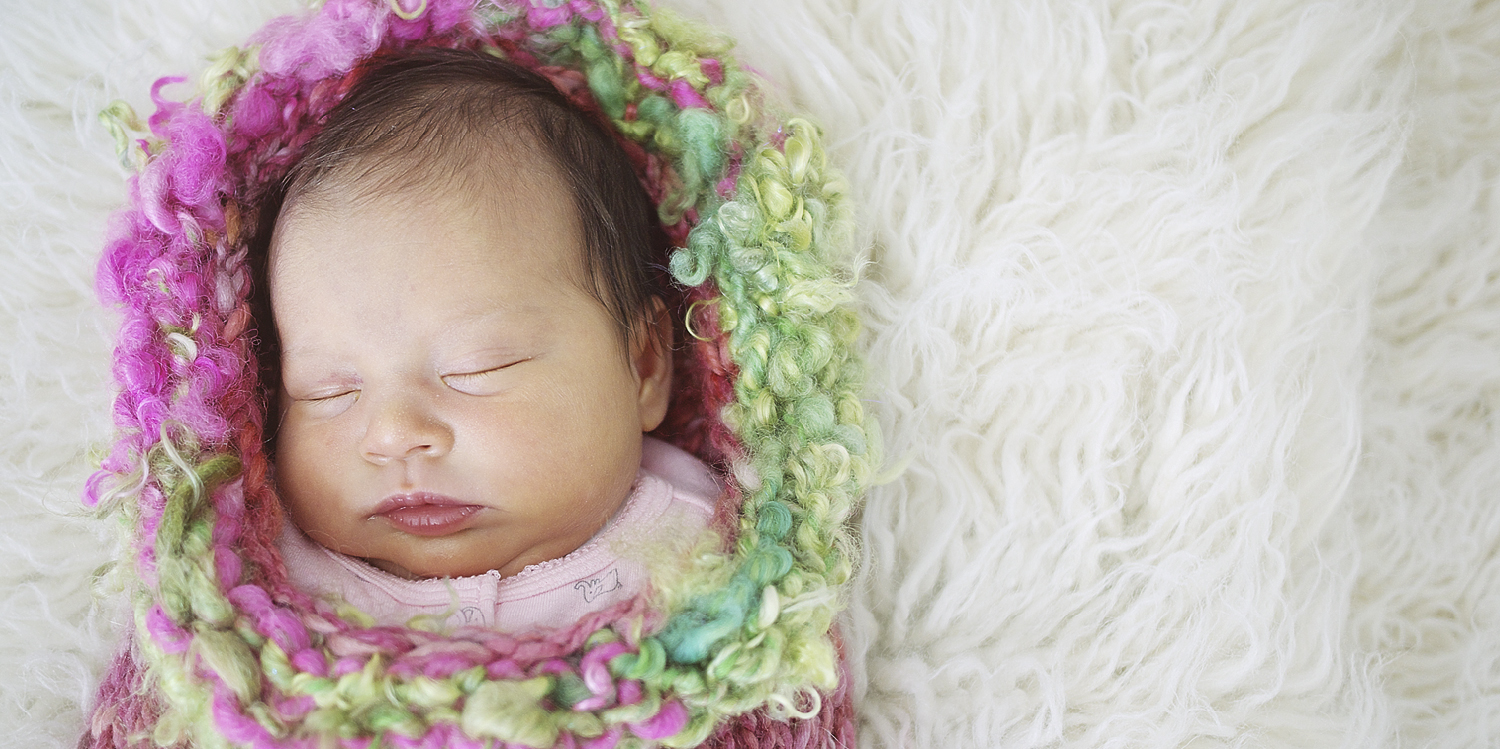

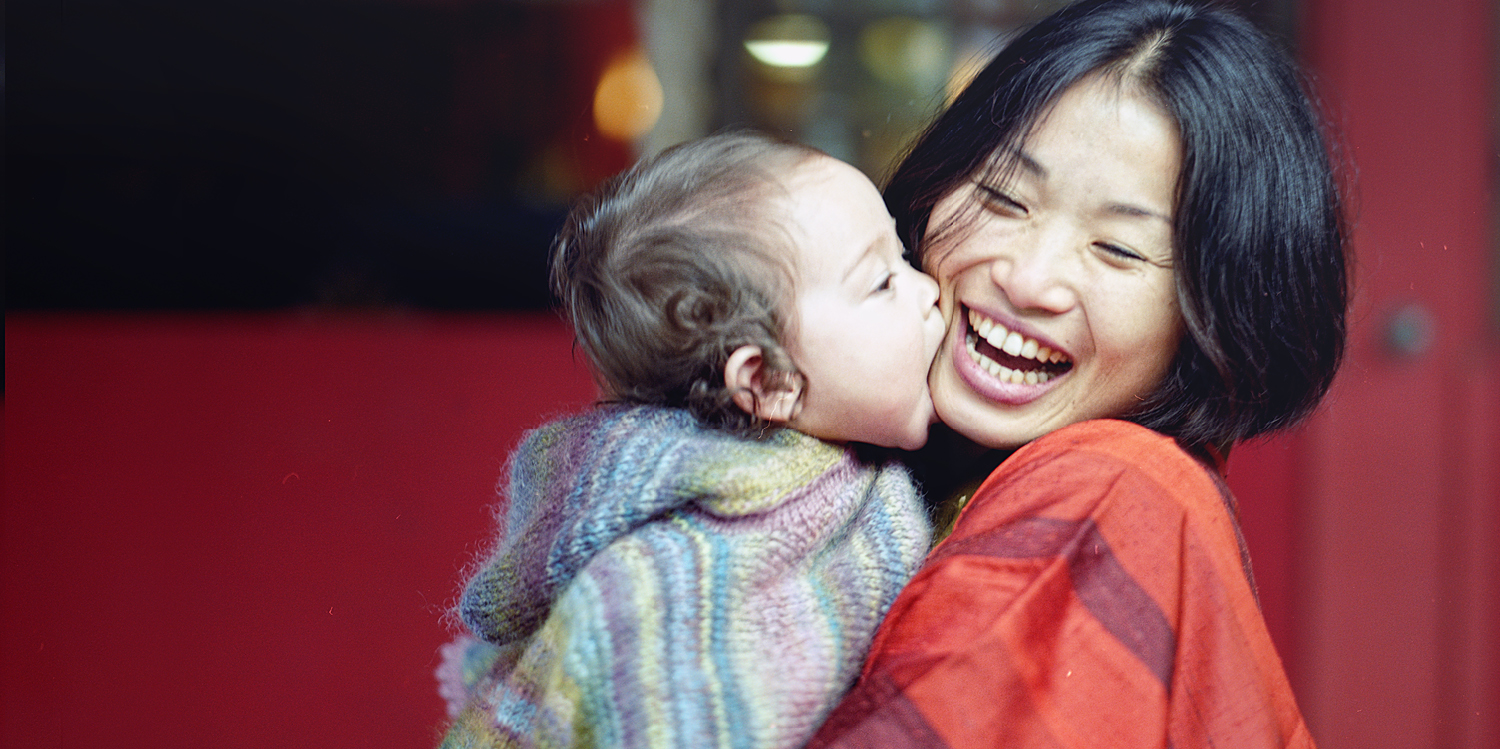
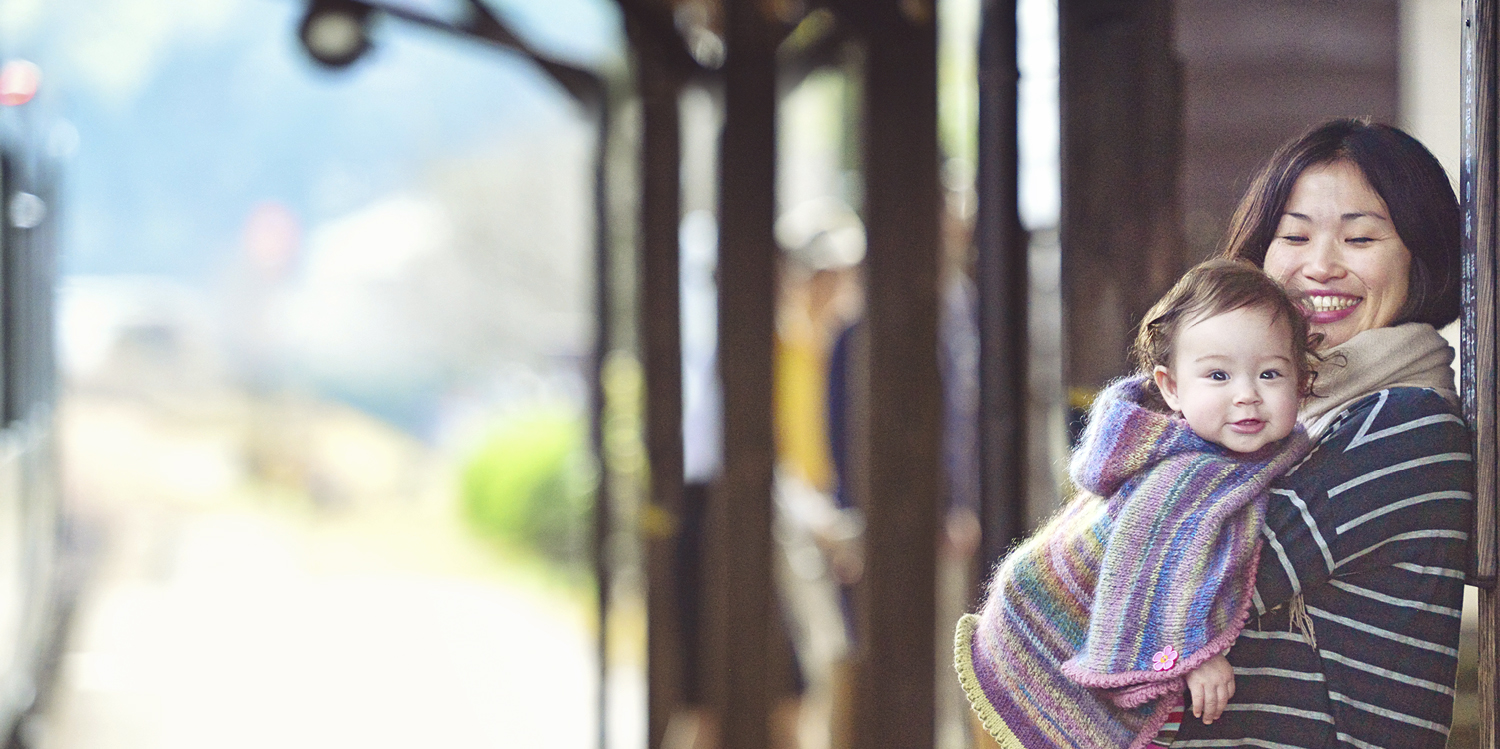


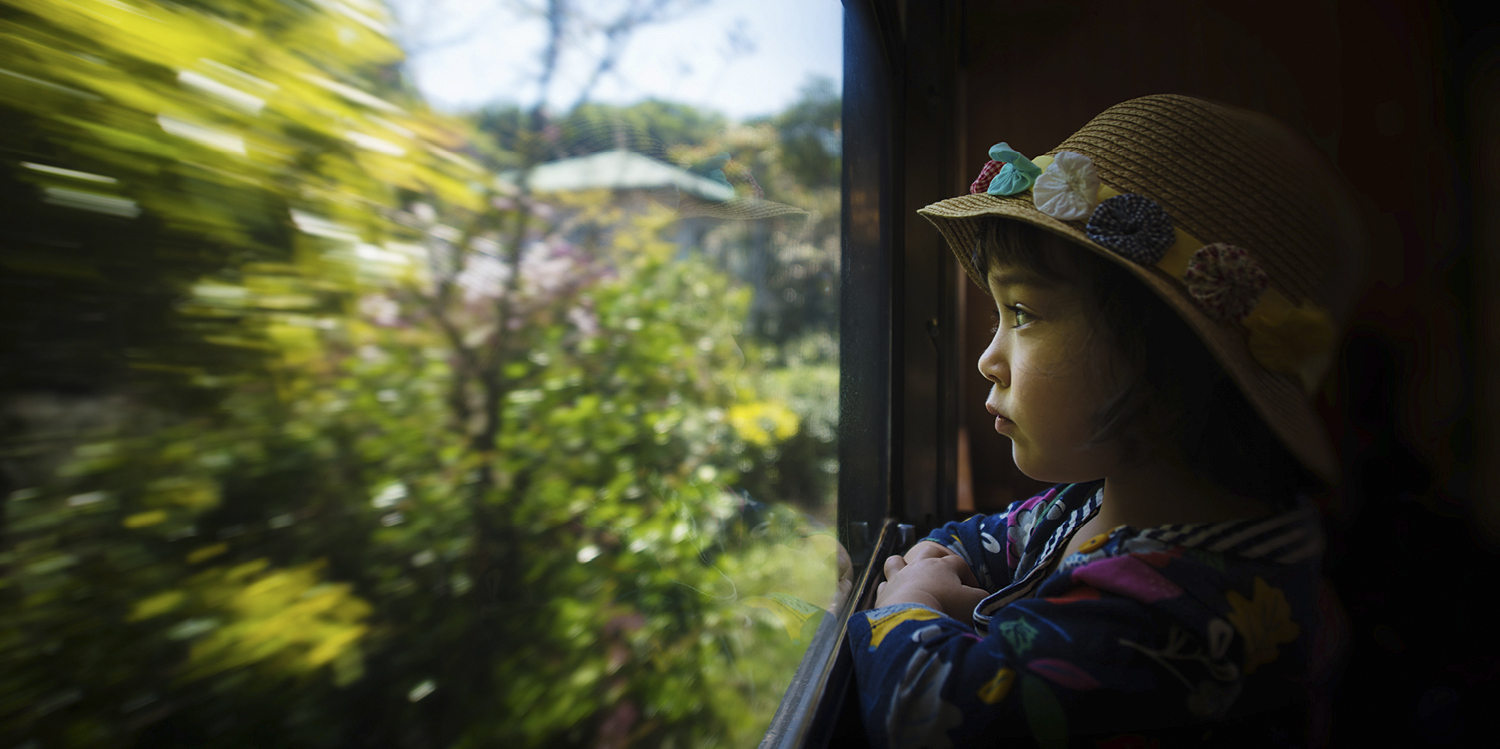
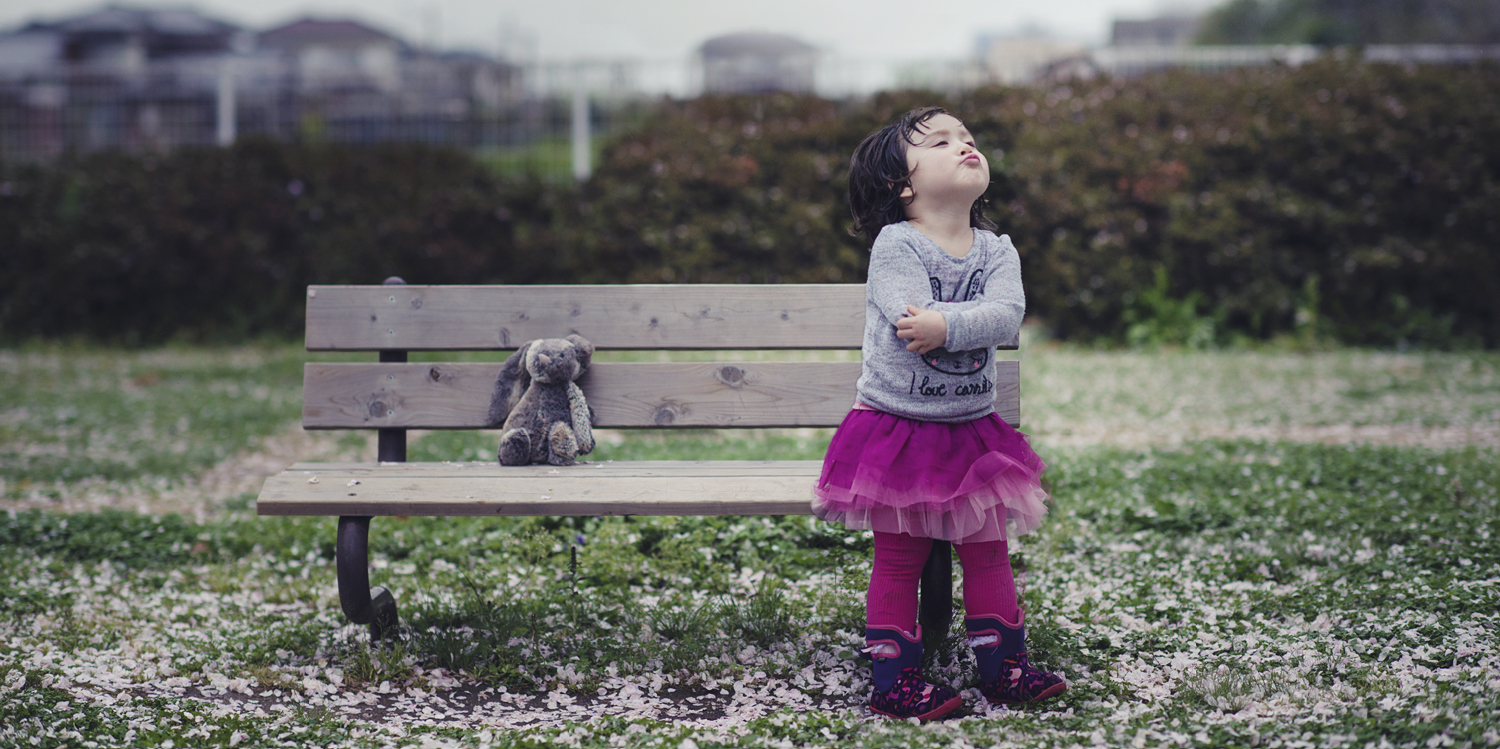
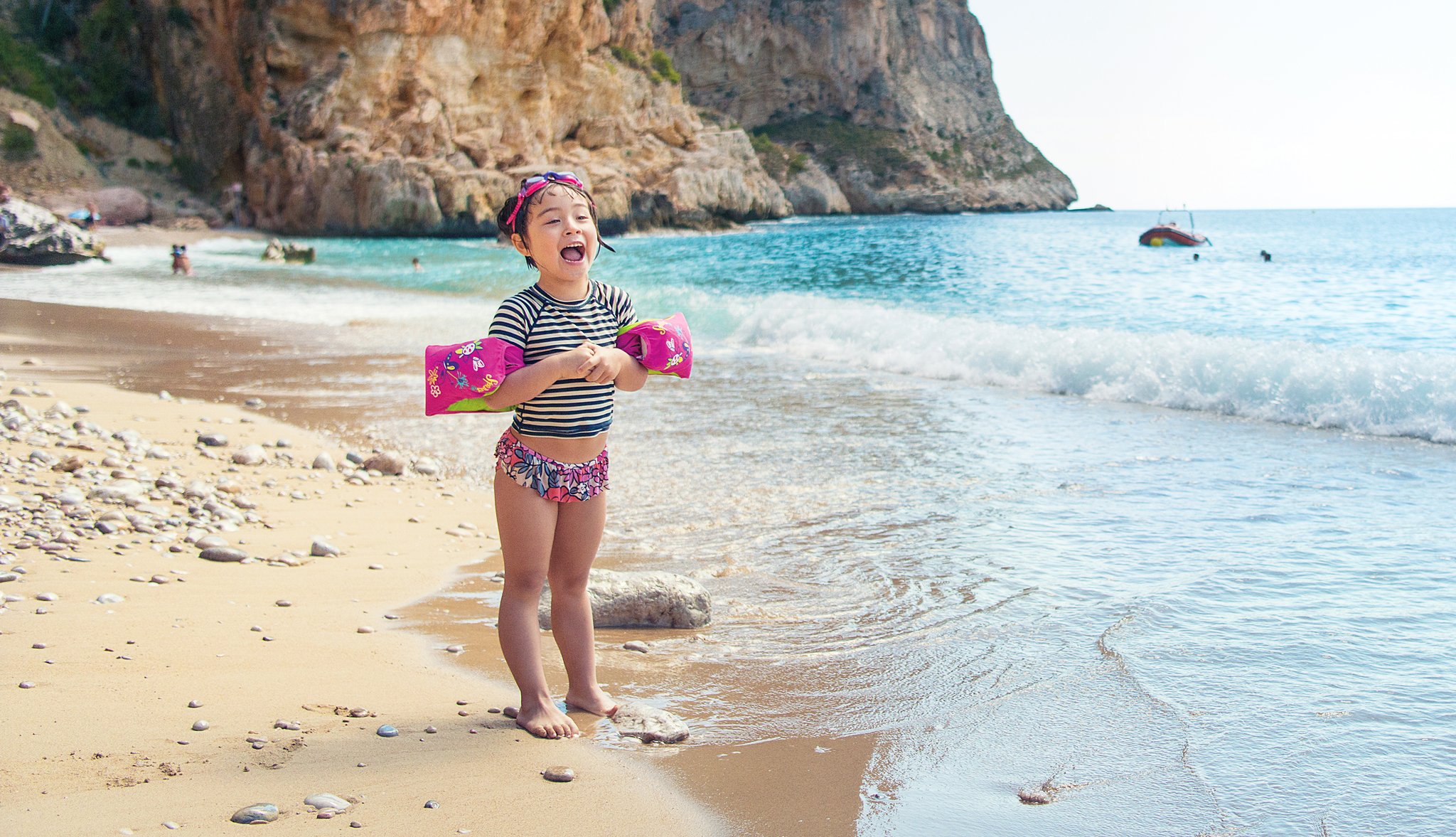

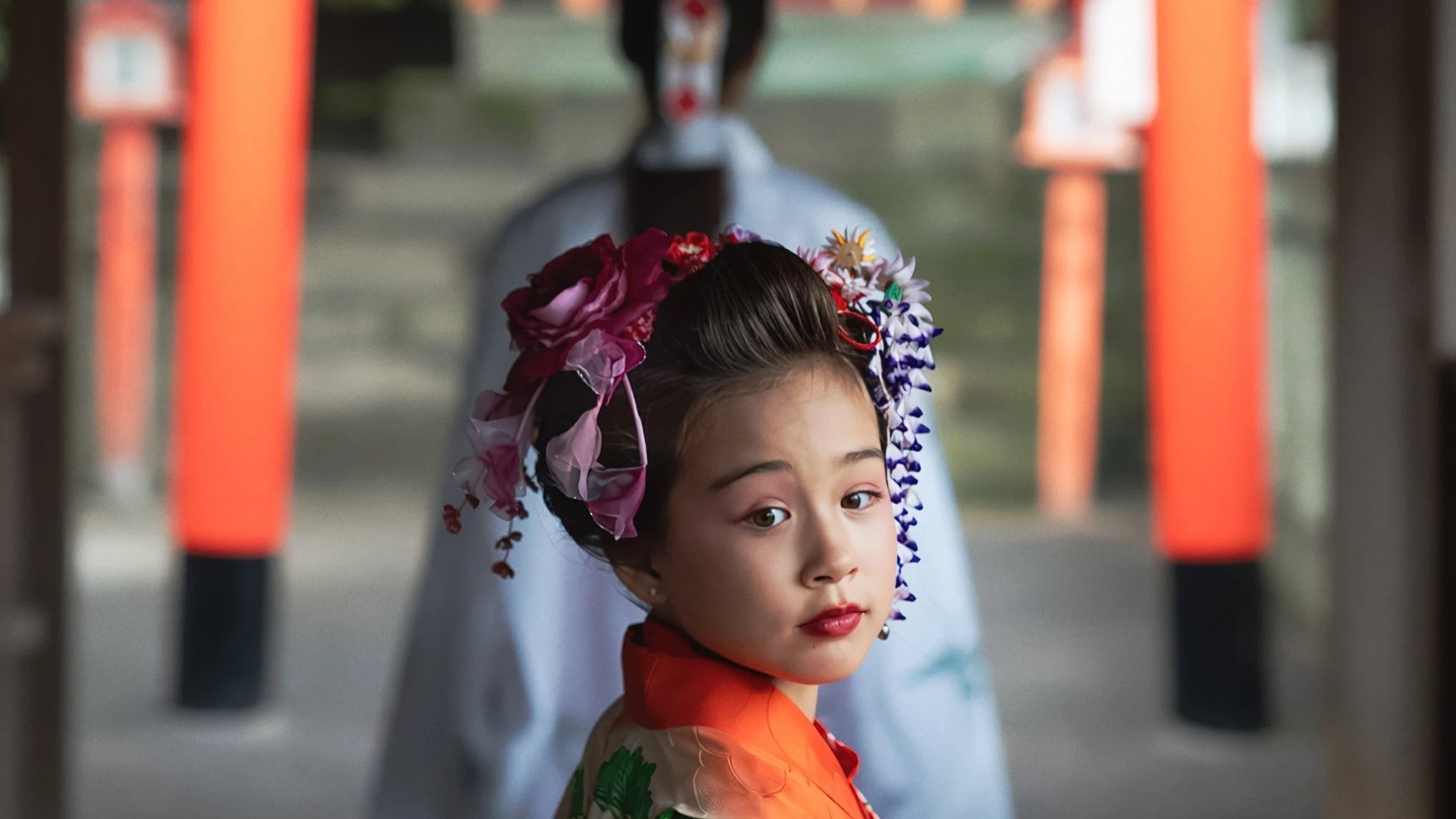


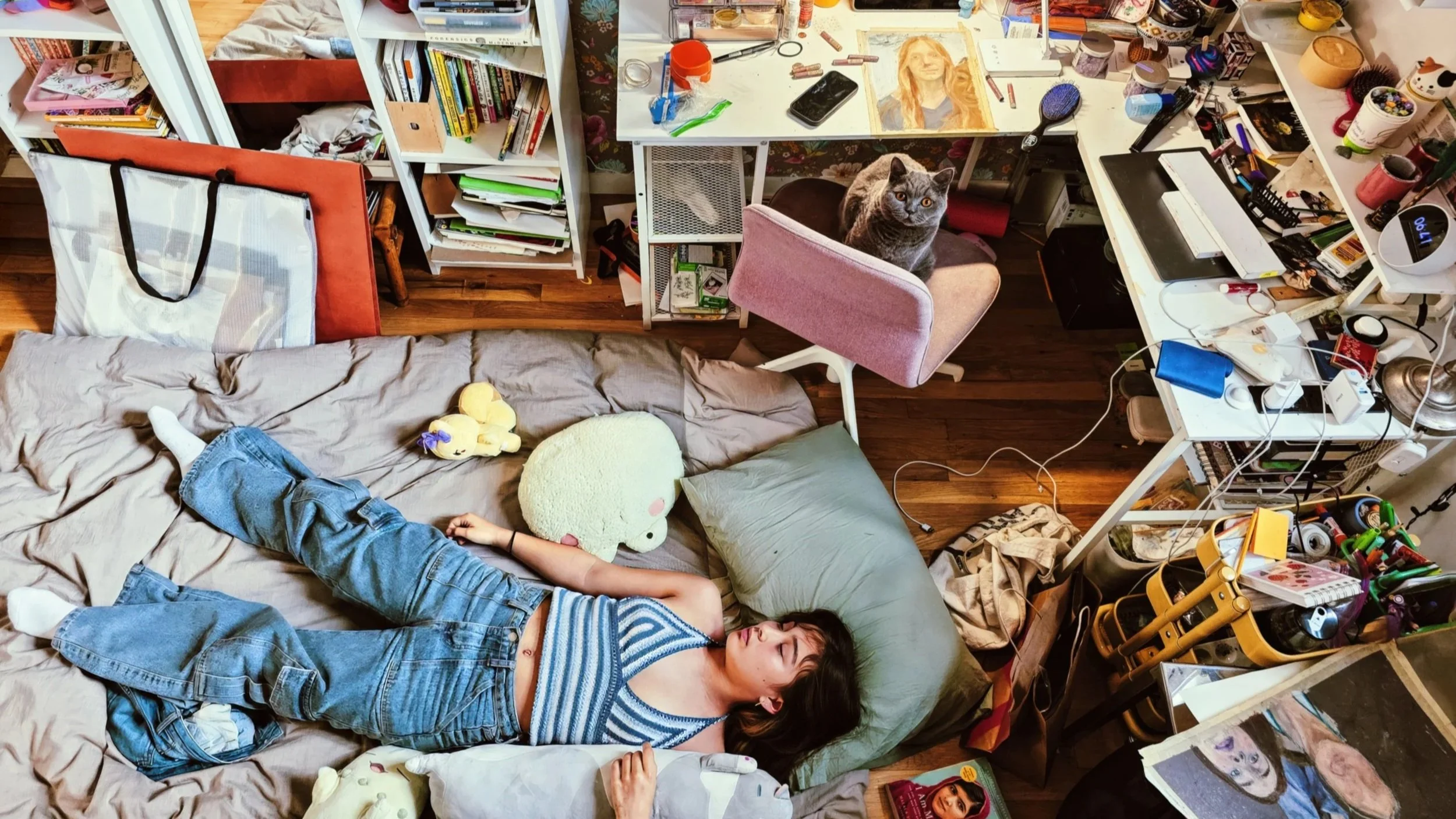
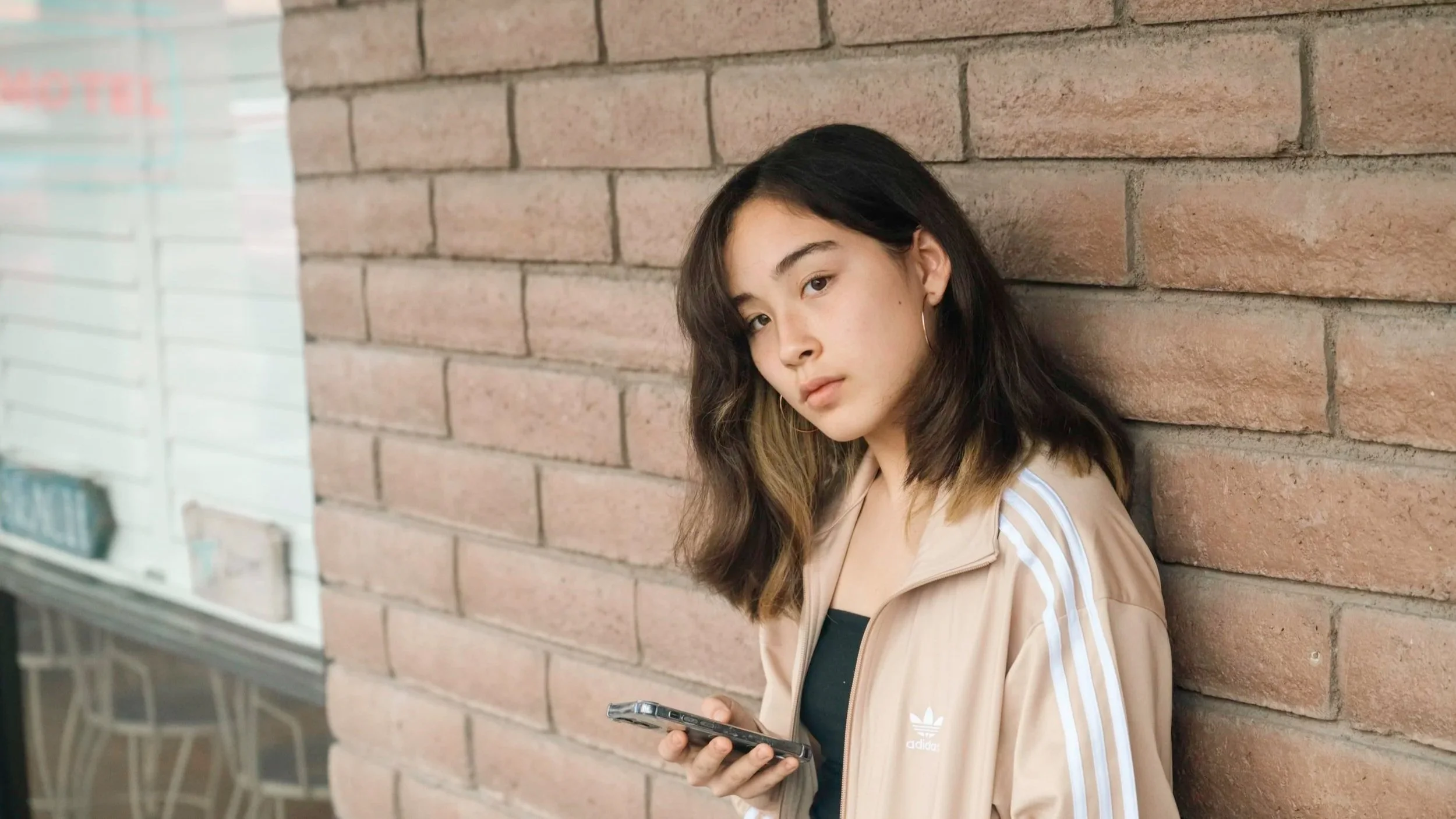
Born in March 2012, our daughter, Mai Isabel, has become the primary subject and central muse of my work. Following in my father’s footsteps, I have documented her journey from the beginning—but in doing so, she has profoundly changed my own.
Mai is the "human factor" in my compositions; she provides the scale and the soul to the vast landscapes I explore. Whether she is a silhouette against a New York skyline or a quiet presence in an ancient temple, her perspective reminds me that even the most monumental environments are defined by the intimate, quiet ways we navigate them. Through her, my photography has evolved from a study of the world around us into a study of our connection to it.
Jigokudani Snow Monkey Park
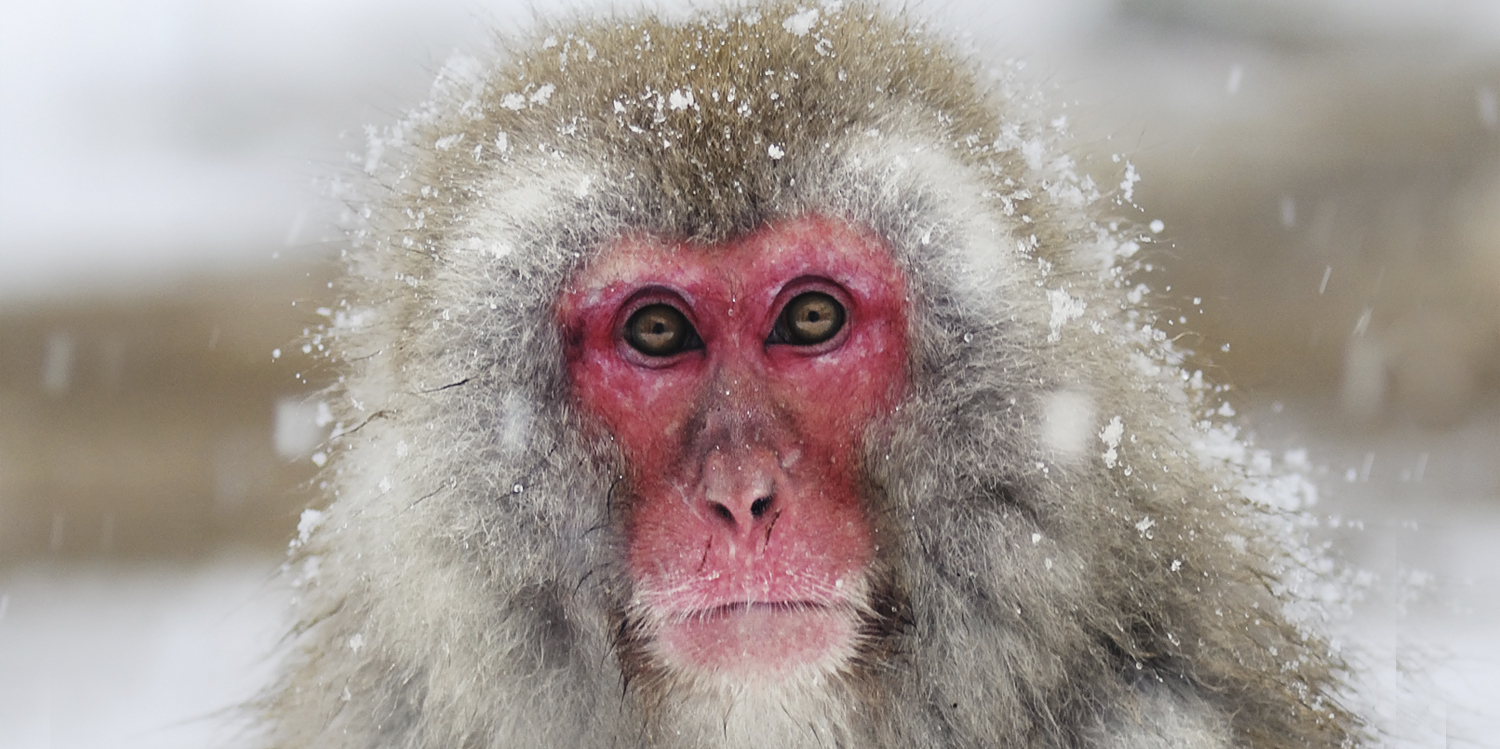
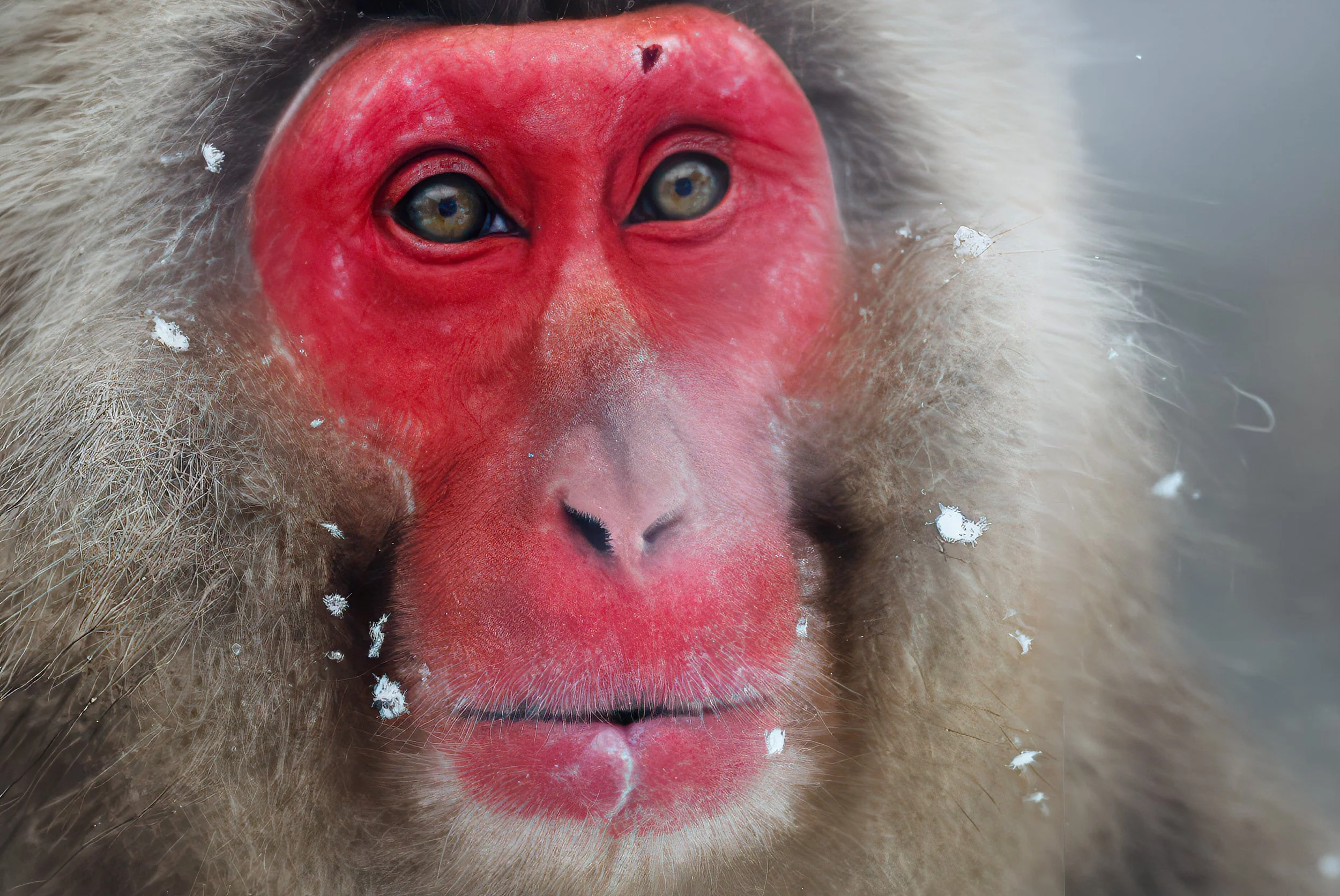
Nagano: The Morning Ritual and the Secret Hierarchy
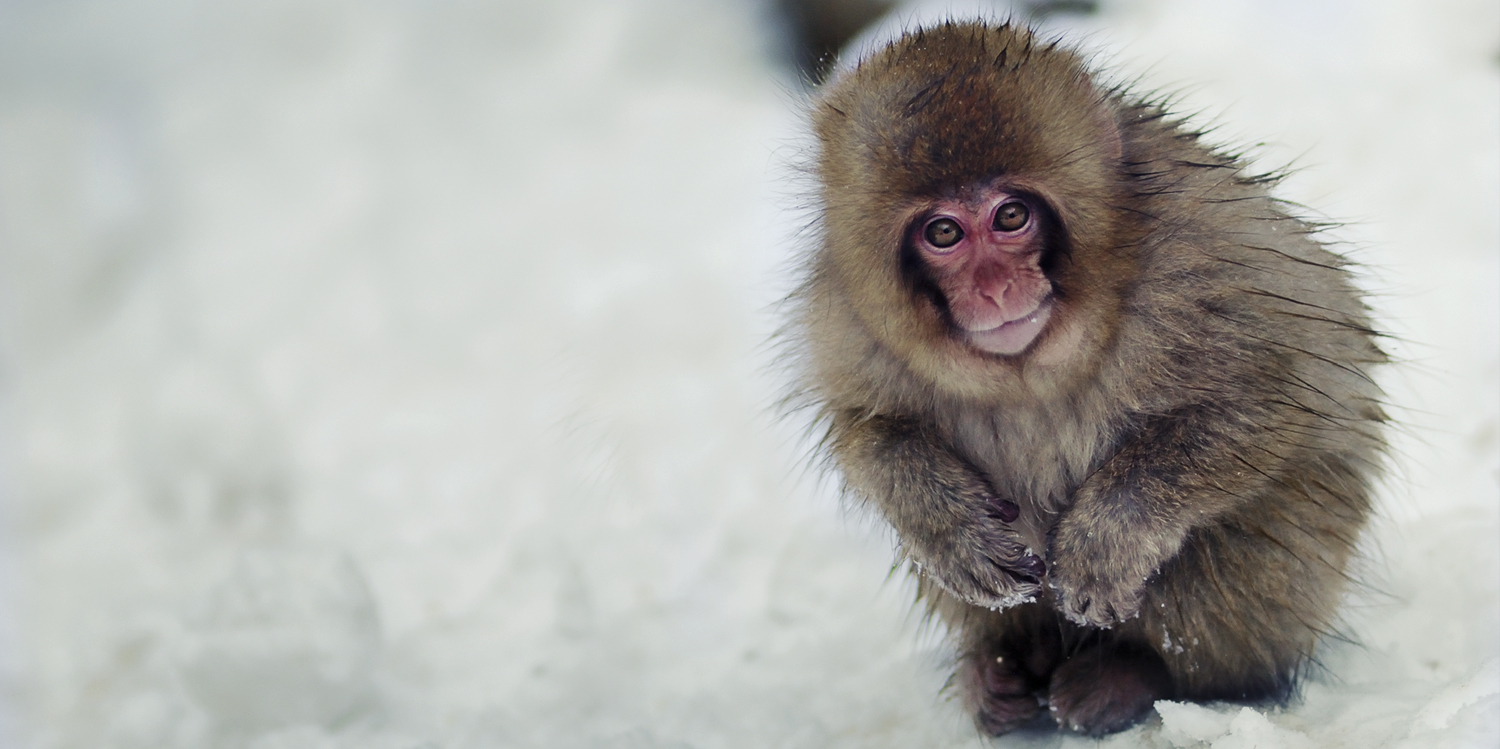
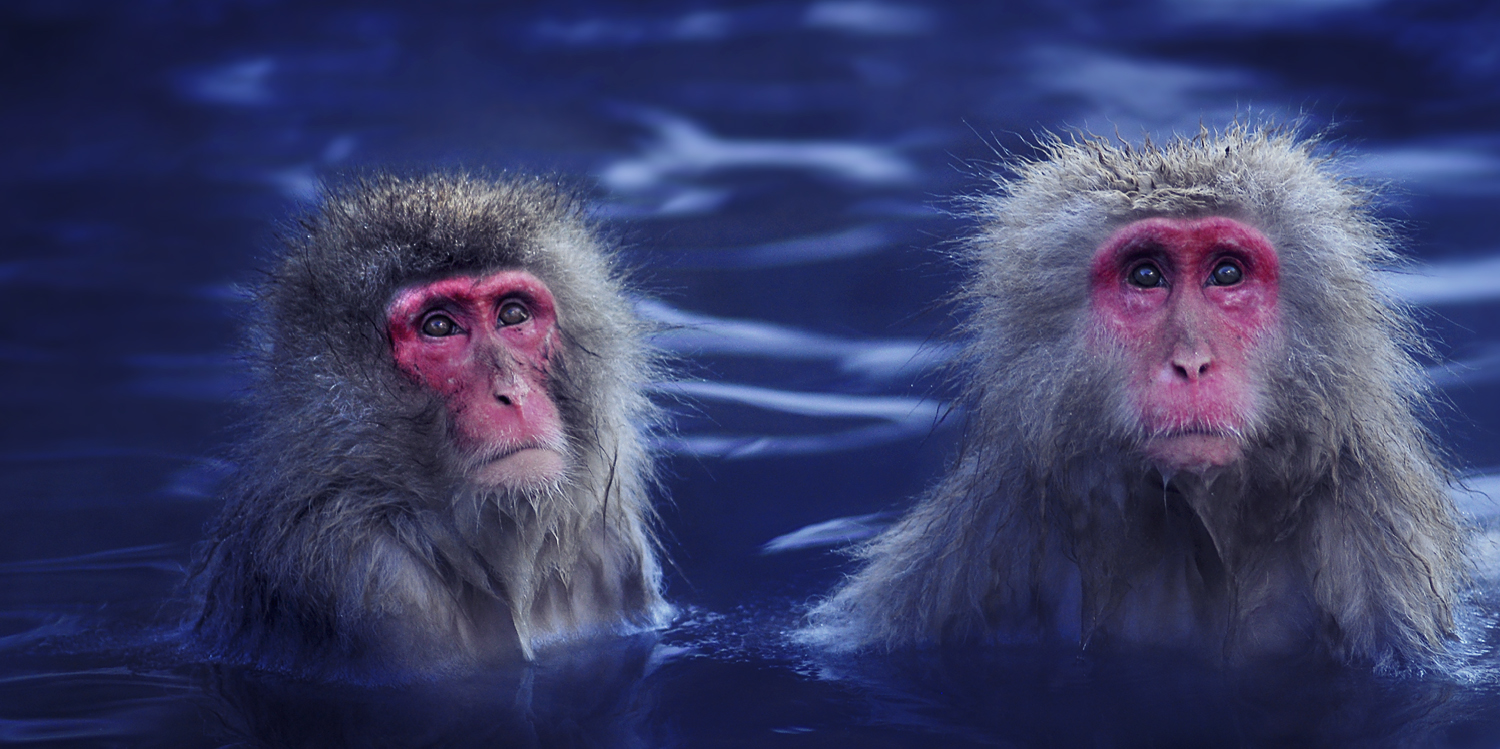
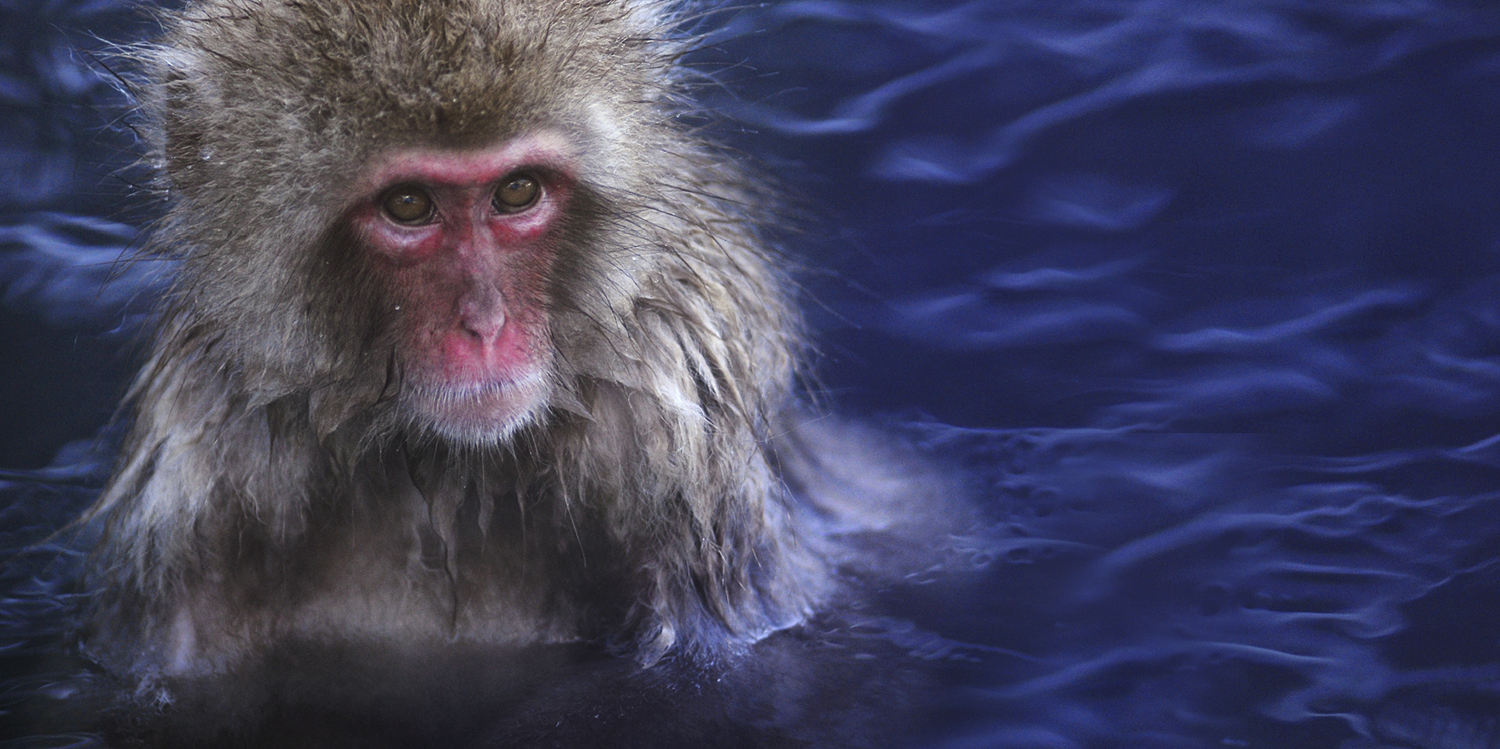
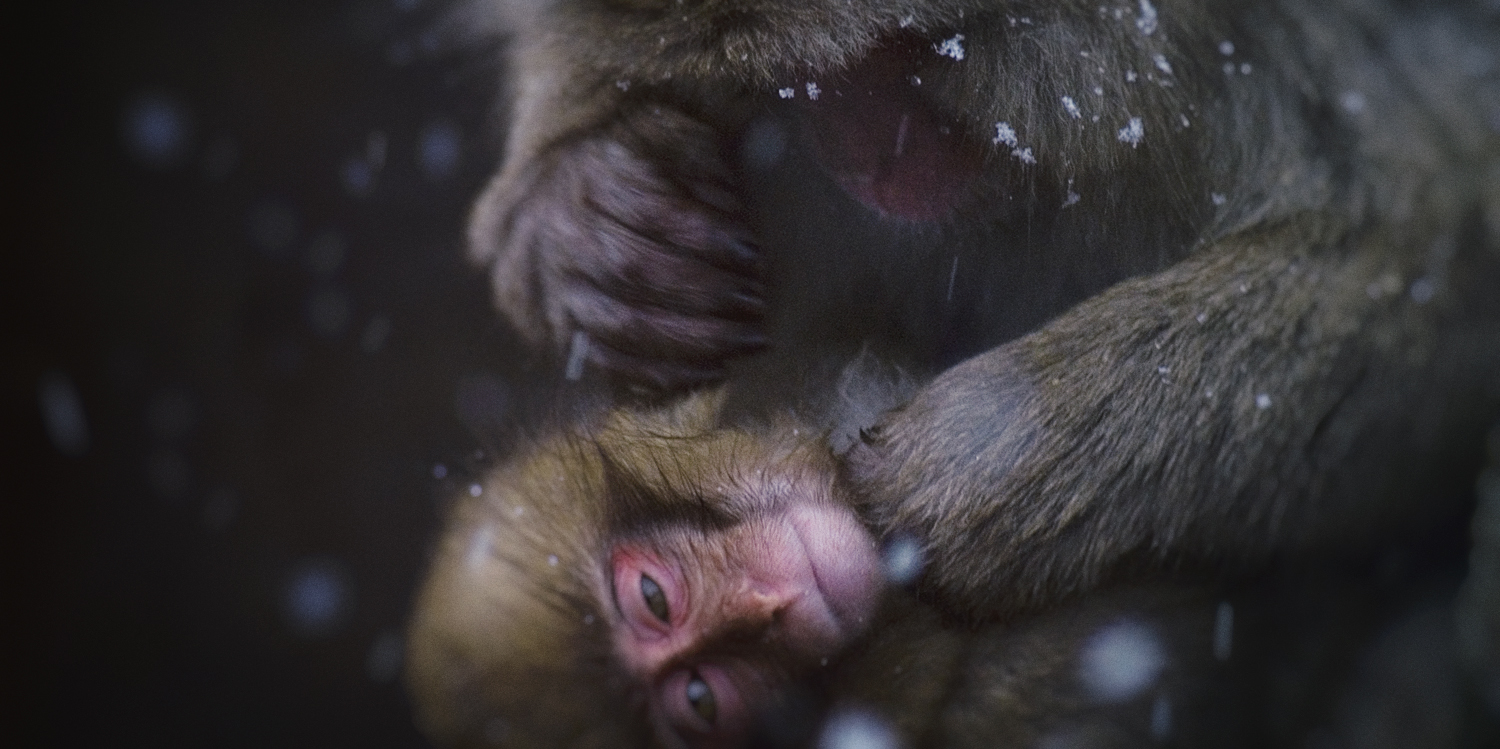
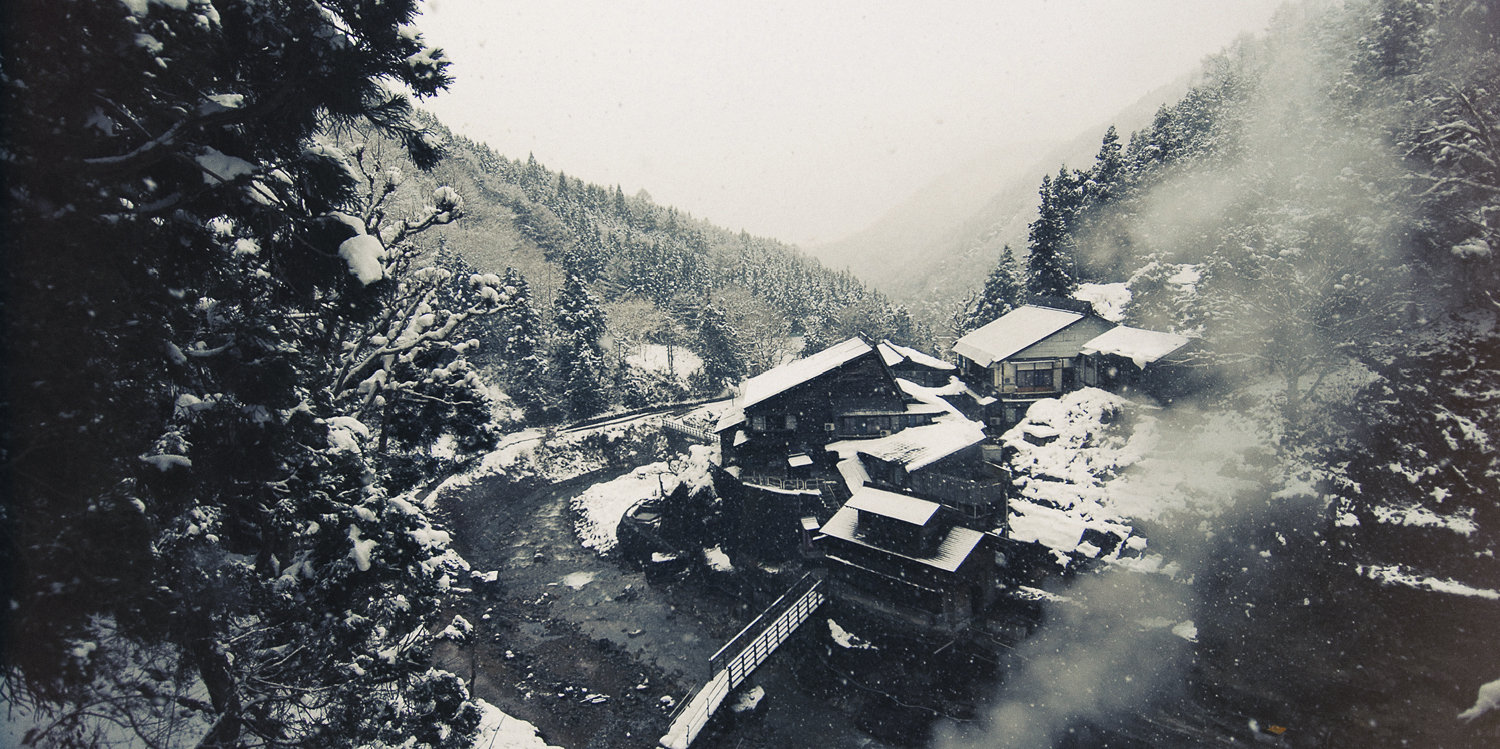
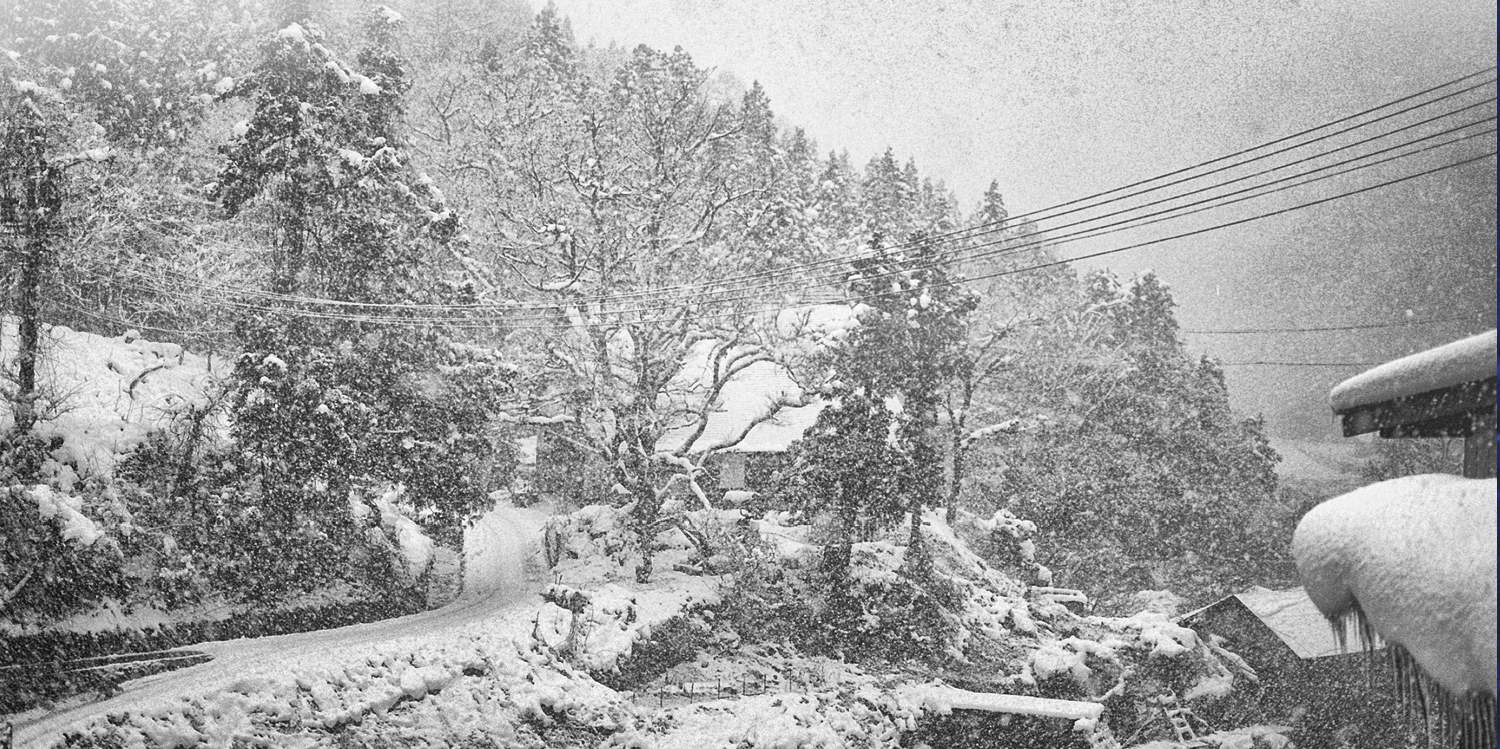
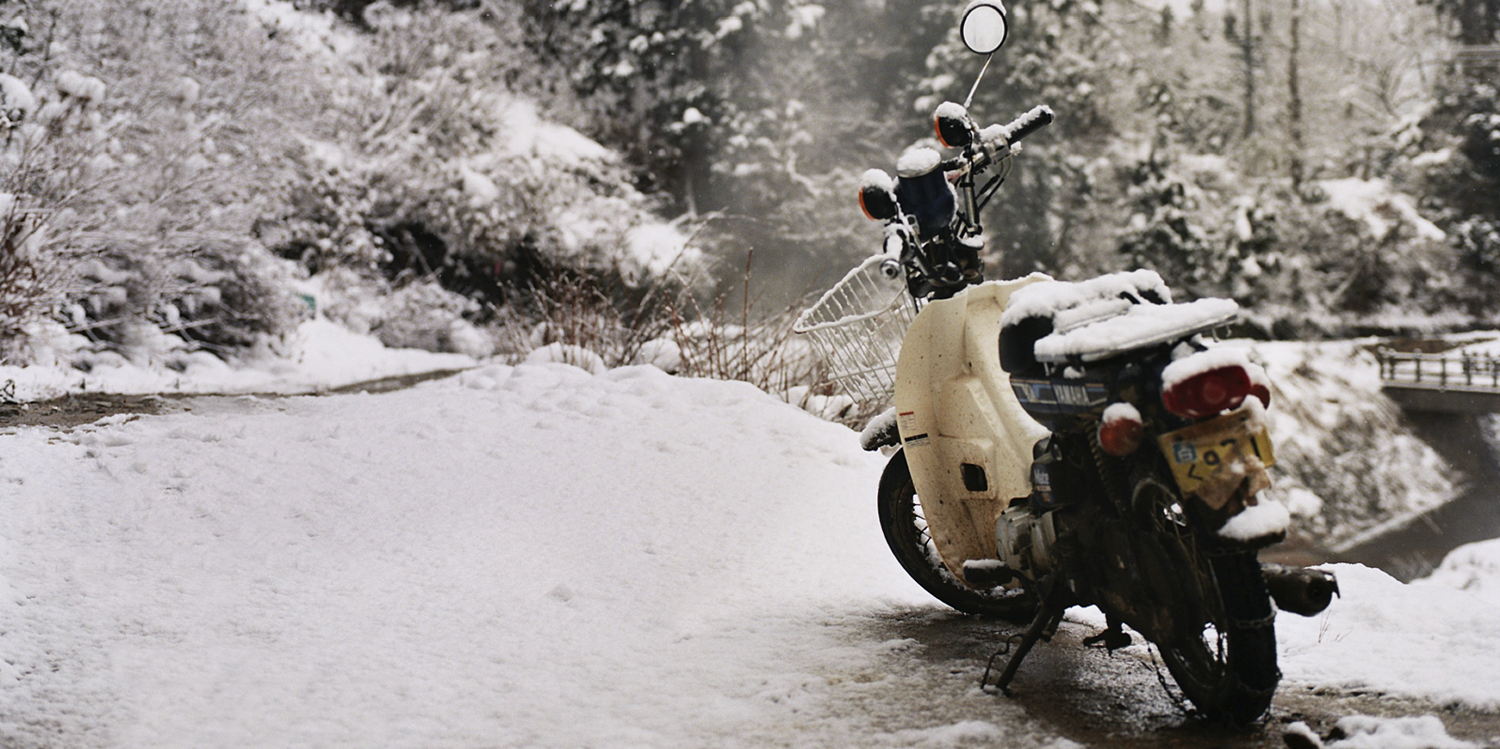
When planning our 2008 winter journey through Japan, one childhood image remained fixed in my mind: the iconic National Geographic cover of the snow monkeys bathing in the geothermal springs of Nagano.
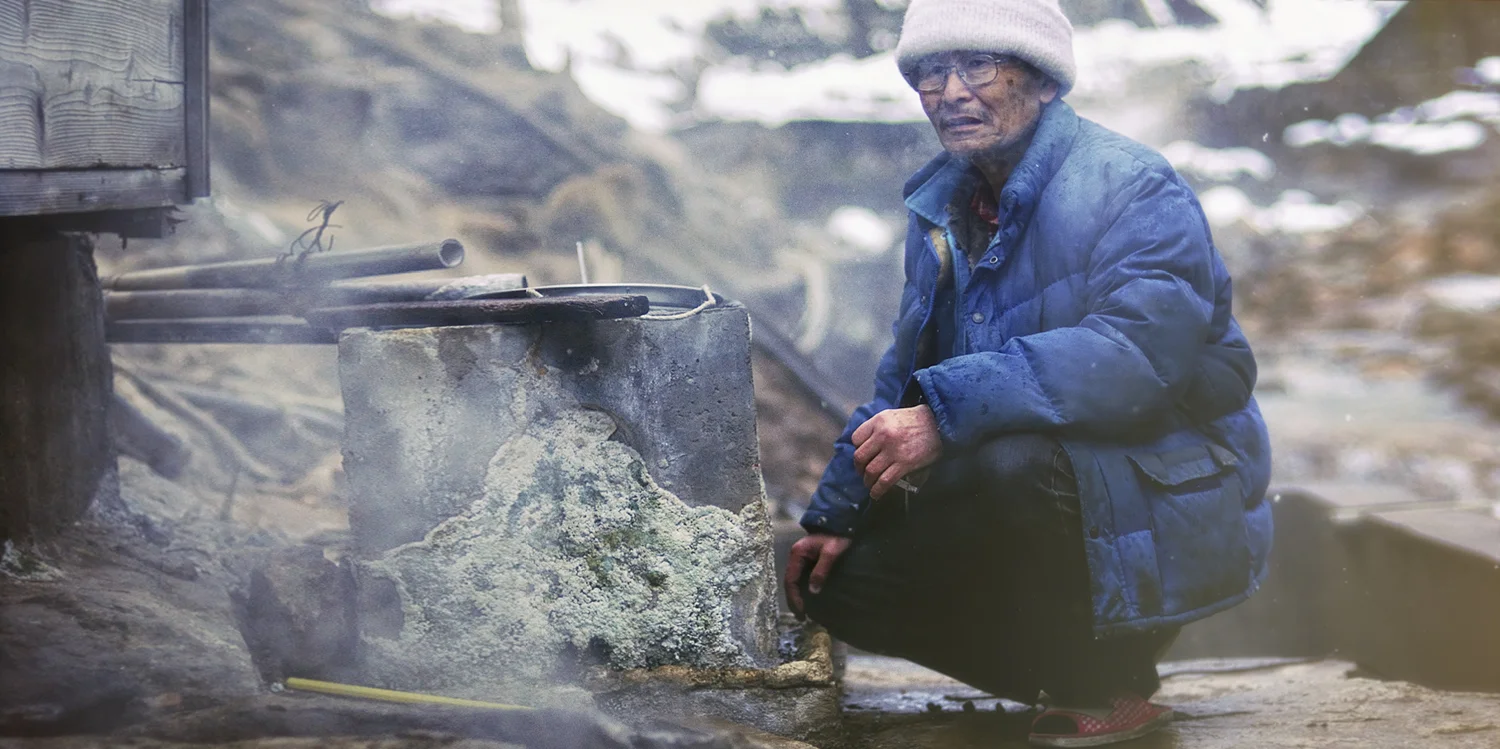
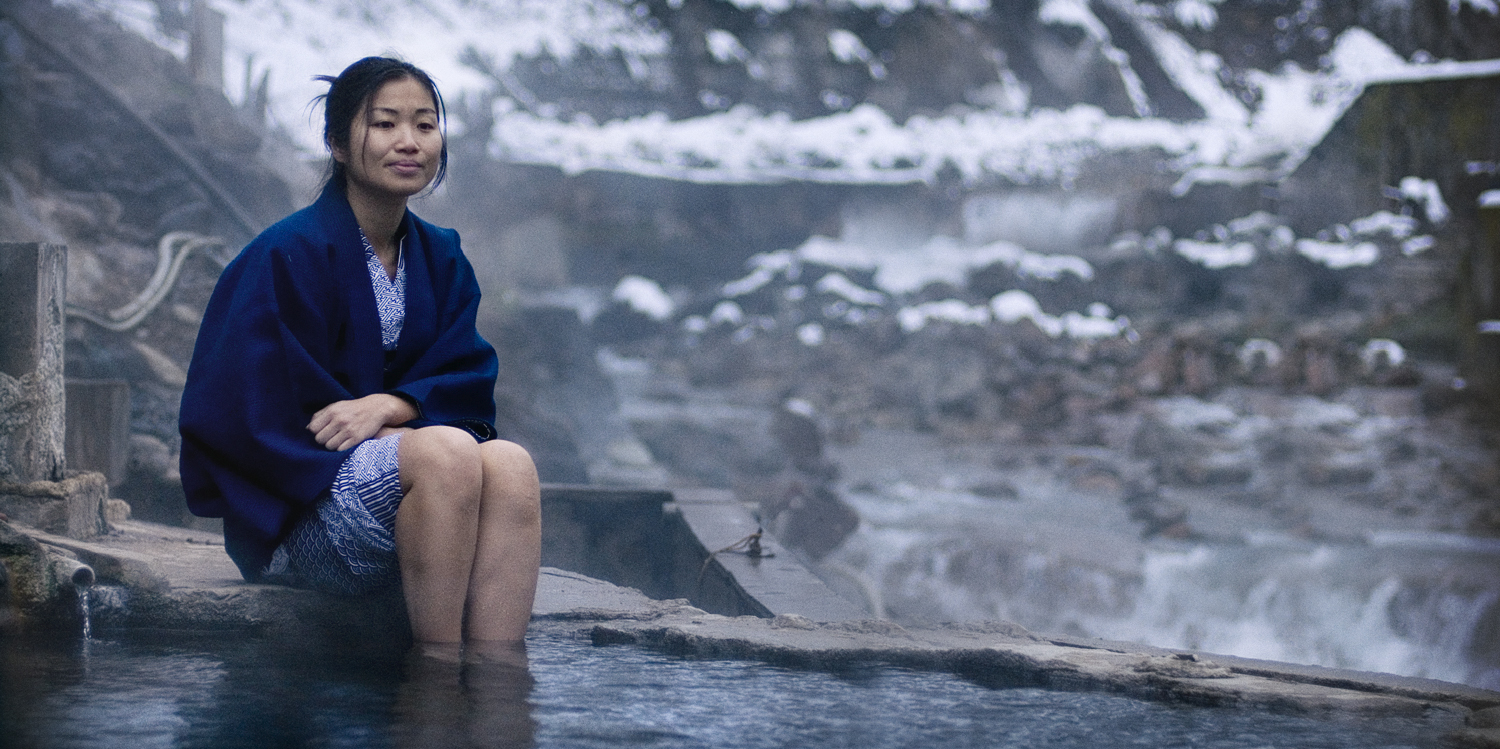
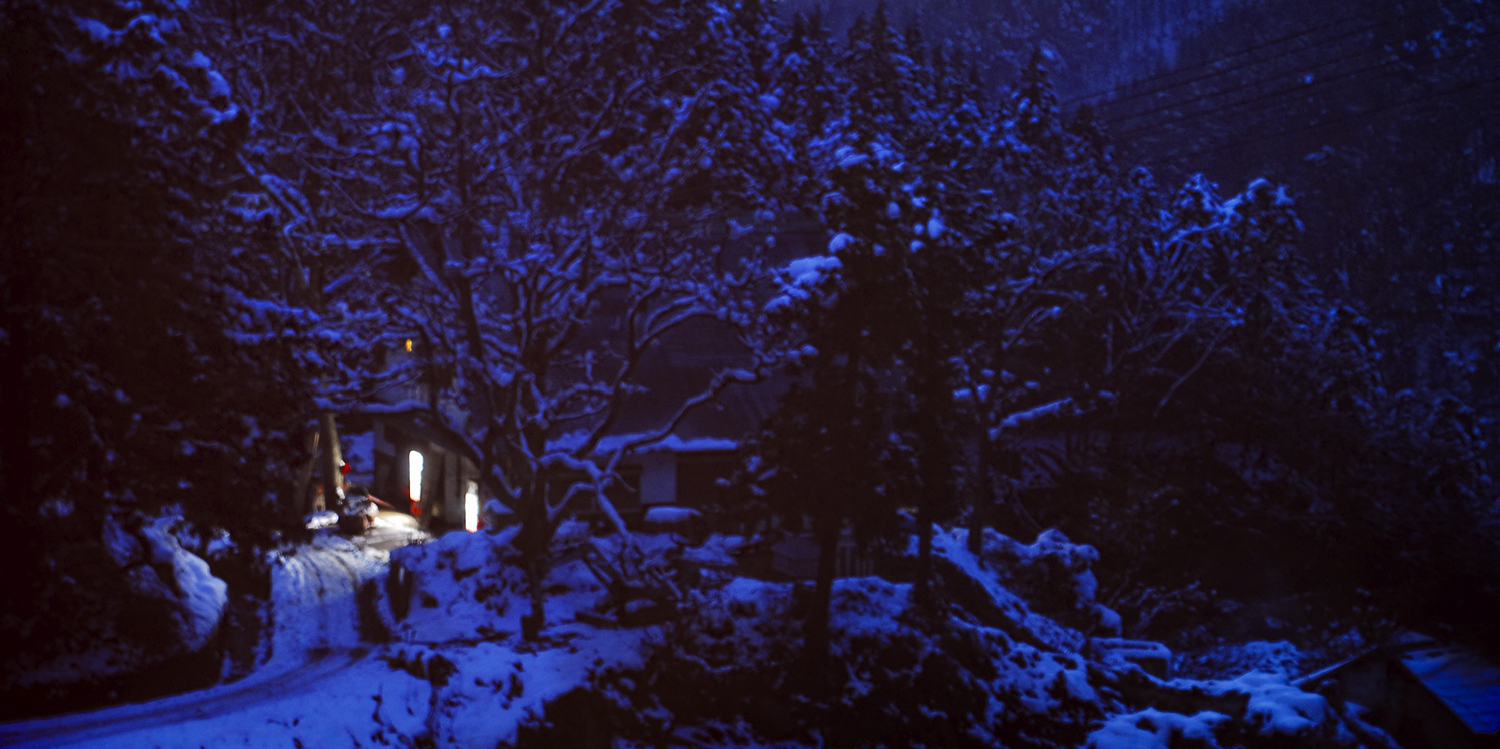
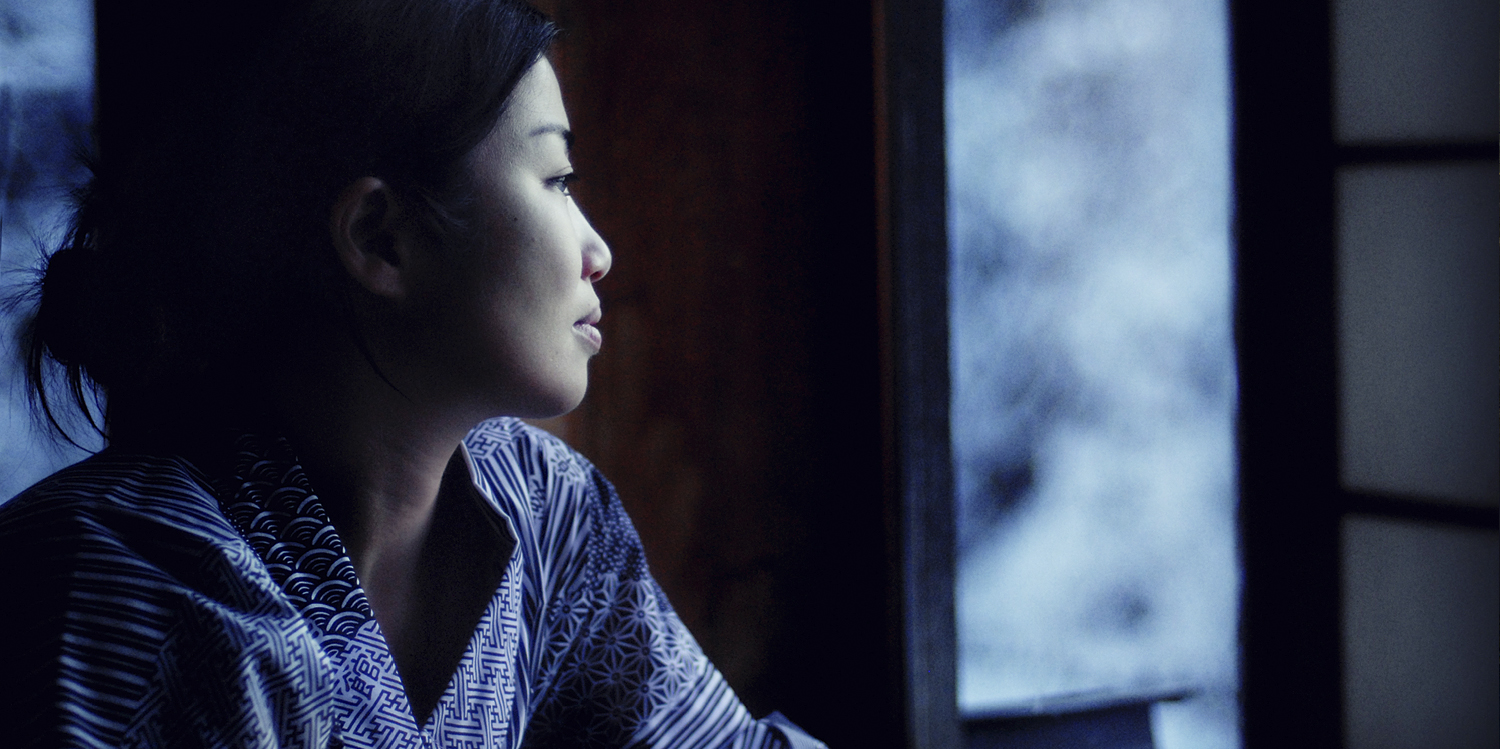
We stayed at the Korakuan Jigokudani, a dated but charming minshuku located just steps from the park’s entrance. The experience was immersive—shared facilities and meals of local vegetables, wild duck, and even fried cricket. But the true magic was the outdoor onsen. In the early morning mist, you could sit in the hot water and watch the monkeys descend the ridge toward the park. It wasn’t uncommon for a monkey to slip into the water beside you, while nearby, the innkeeper boiled the morning’s breakfast eggs in the same geothermal heat.
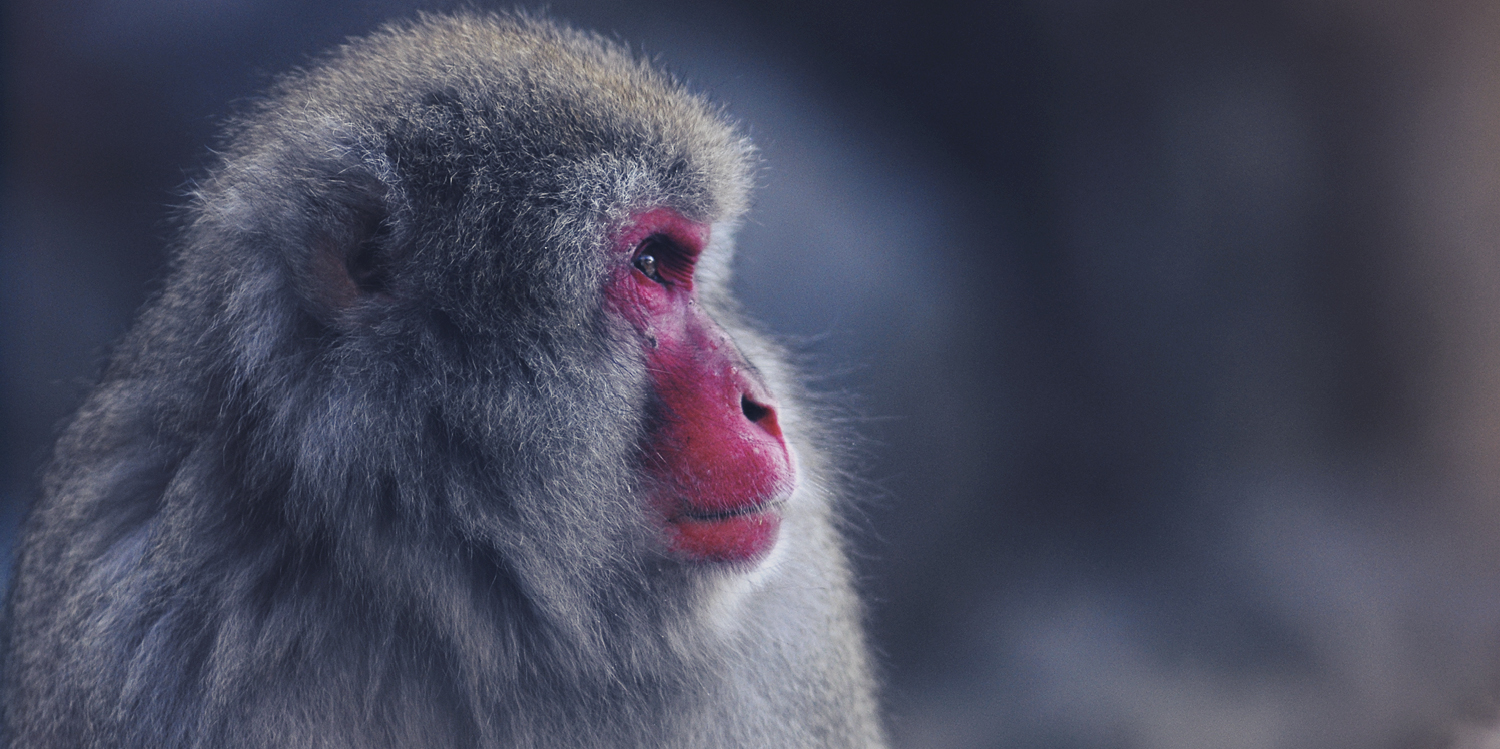
Once inside the park, the atmosphere shifts from charming to disciplined. It is a striking study in social hierarchy: the ruling clan claims the prime positions in the main onsen, while those on the fringes are forced into the shallower, lesser pools just out of reach. Throughout the park, signs warn against the most human of instincts: eye contact. To lock eyes with a male is to issue a challenge—one often met with immediate aggression.
You see the history of this world written in the jagged battle scars across the faces of the elders. While crowds of tourists trek the 2km trail to capture a fleeting cell phone photo, I found the true story in those scarred faces and the rigid, silent code they live by.
Food

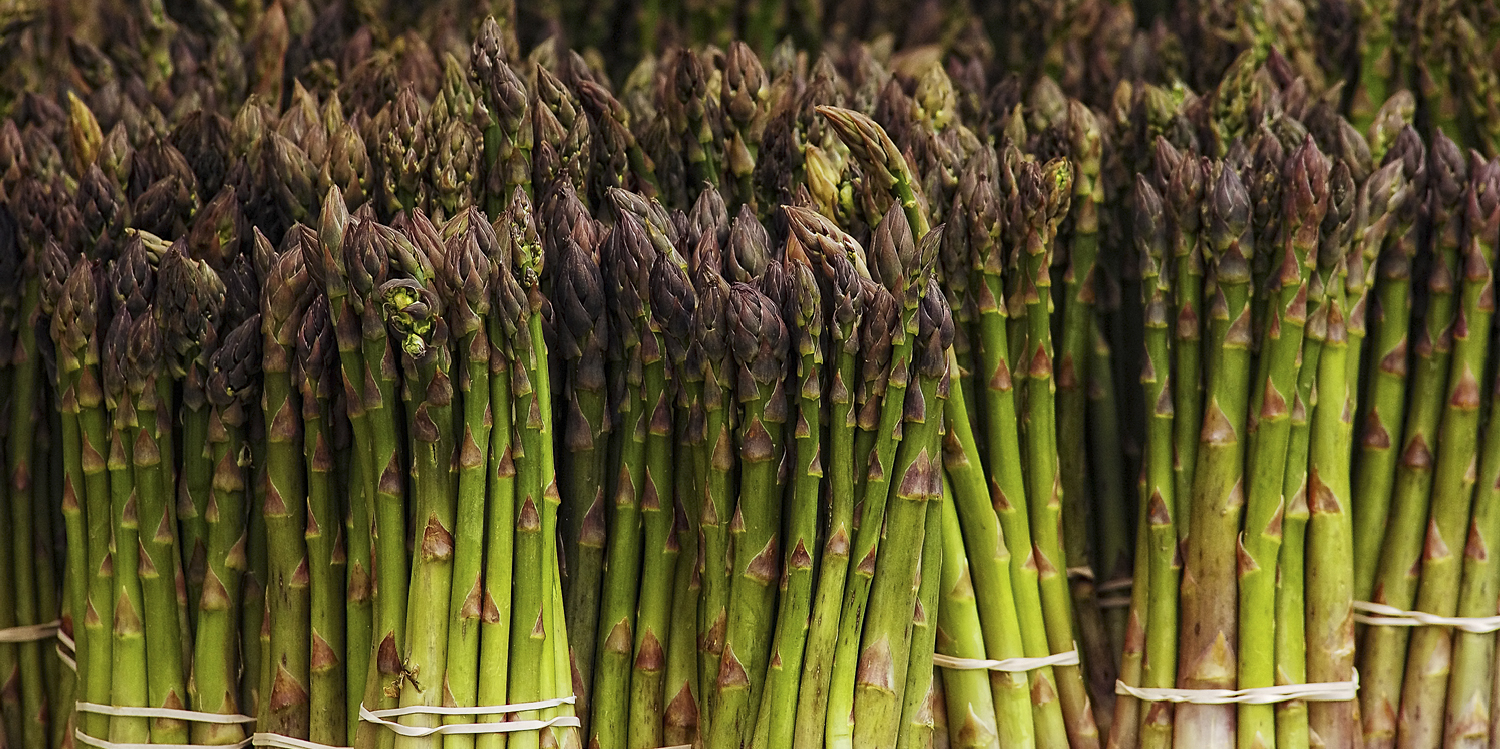
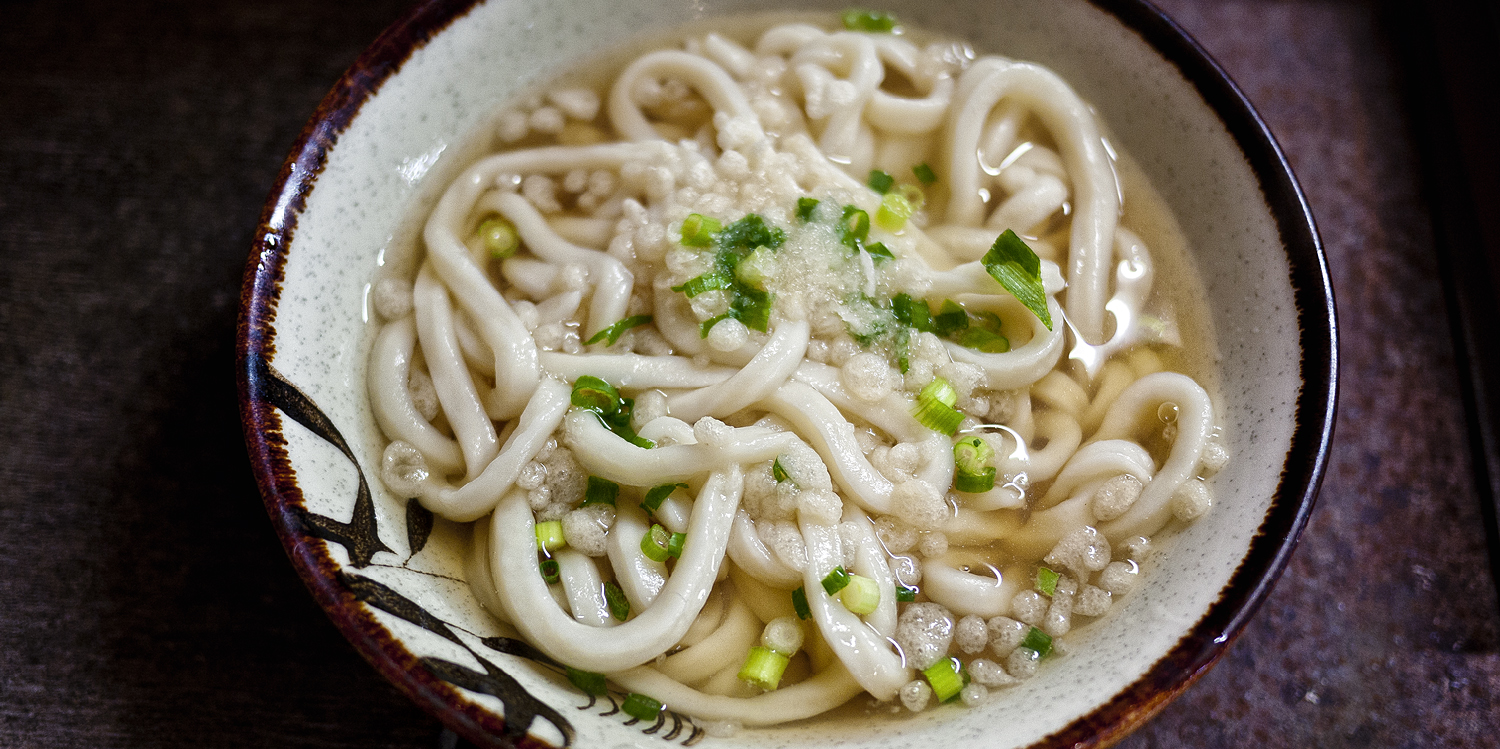
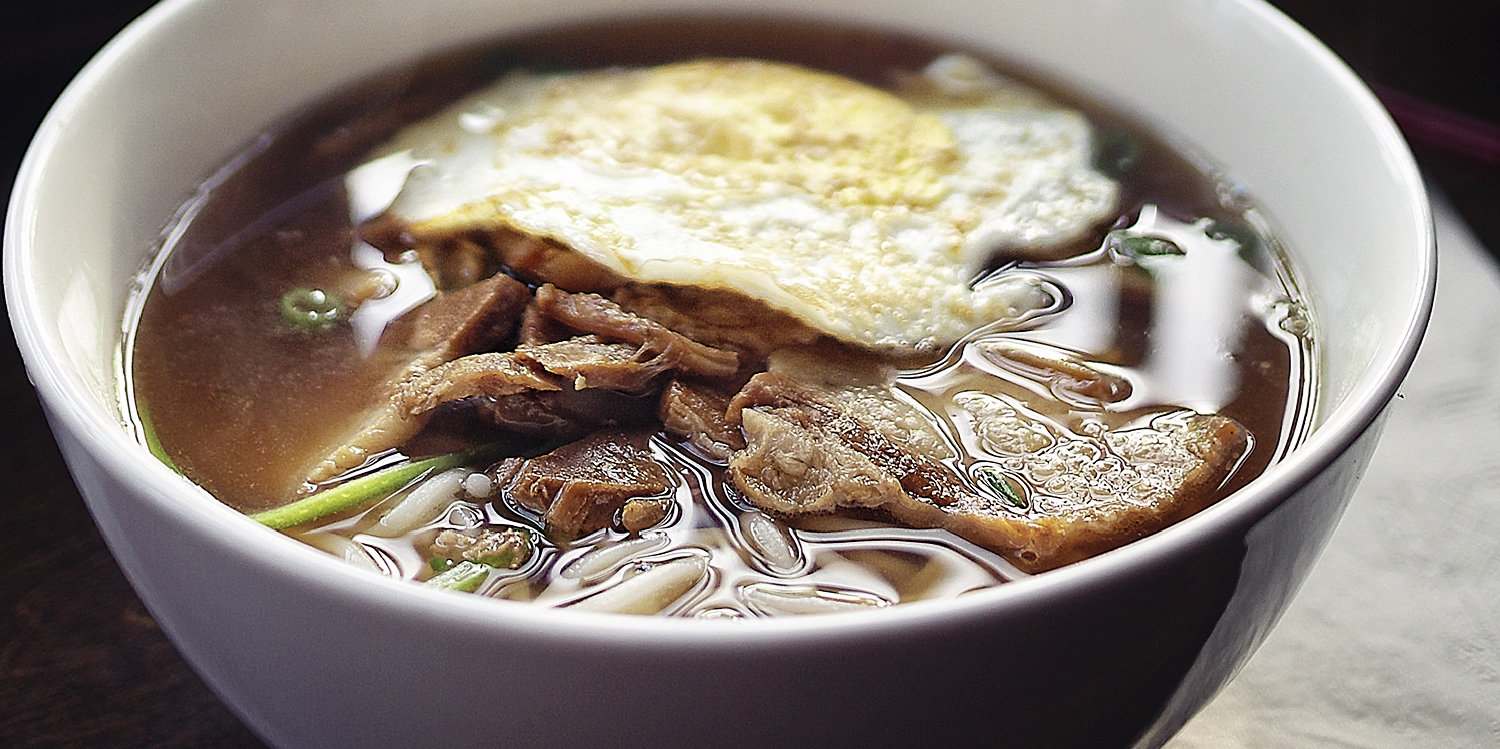
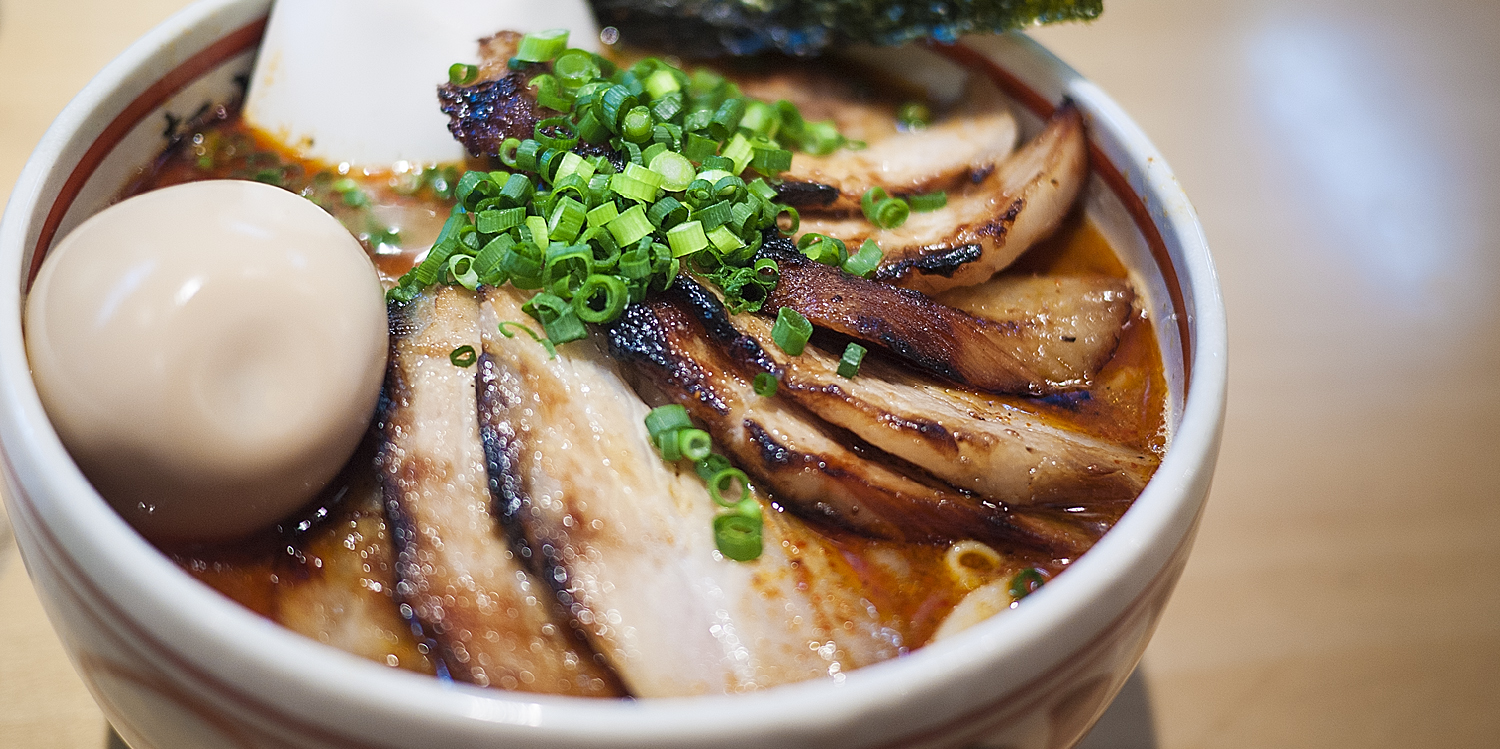
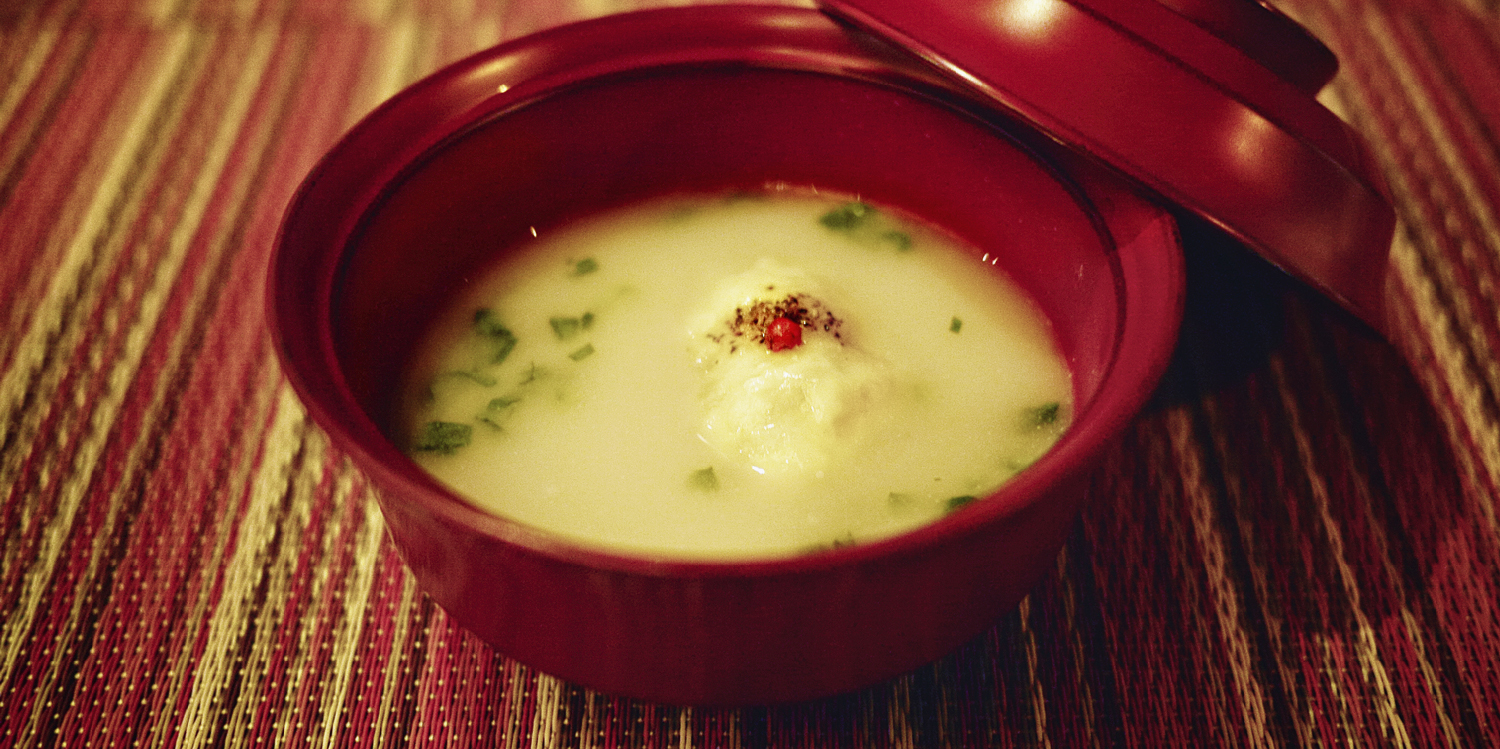
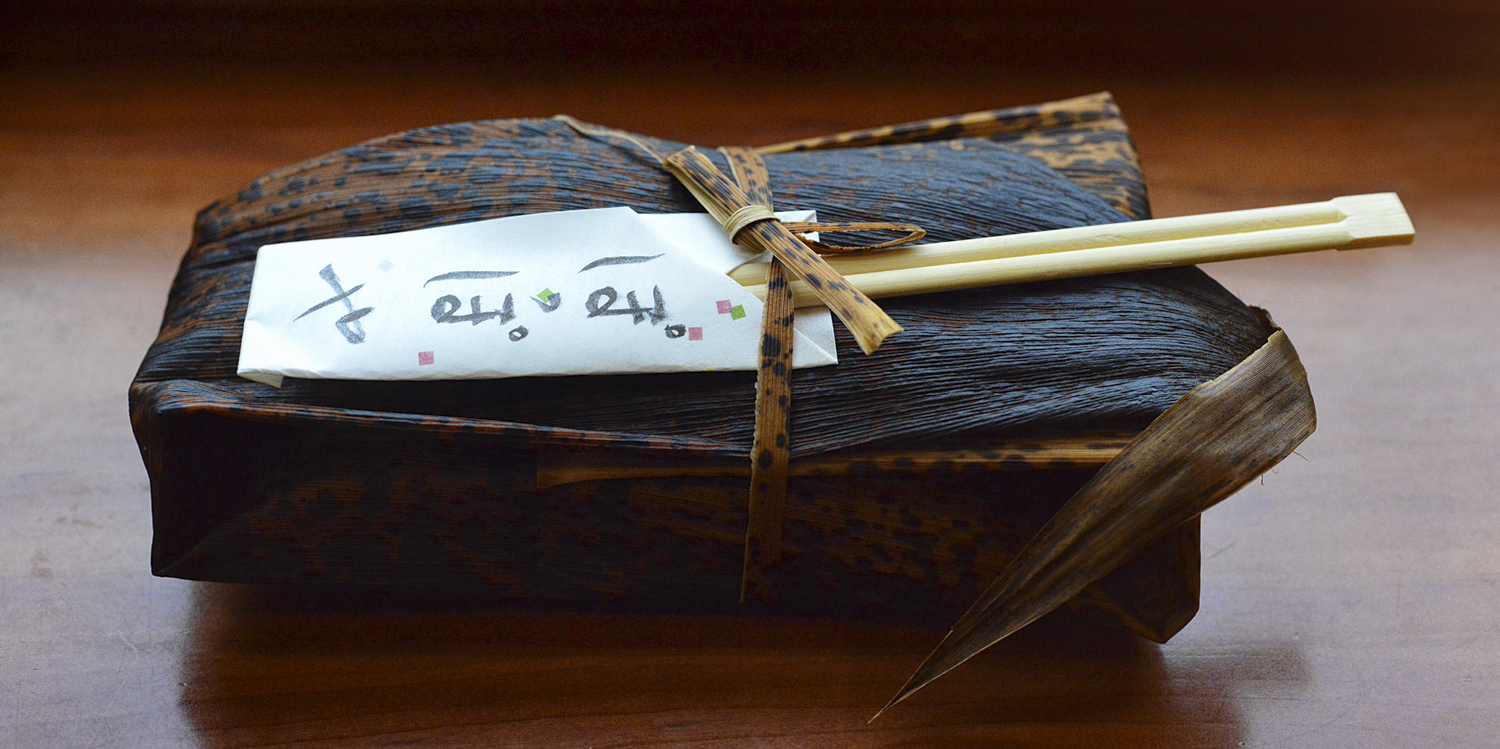
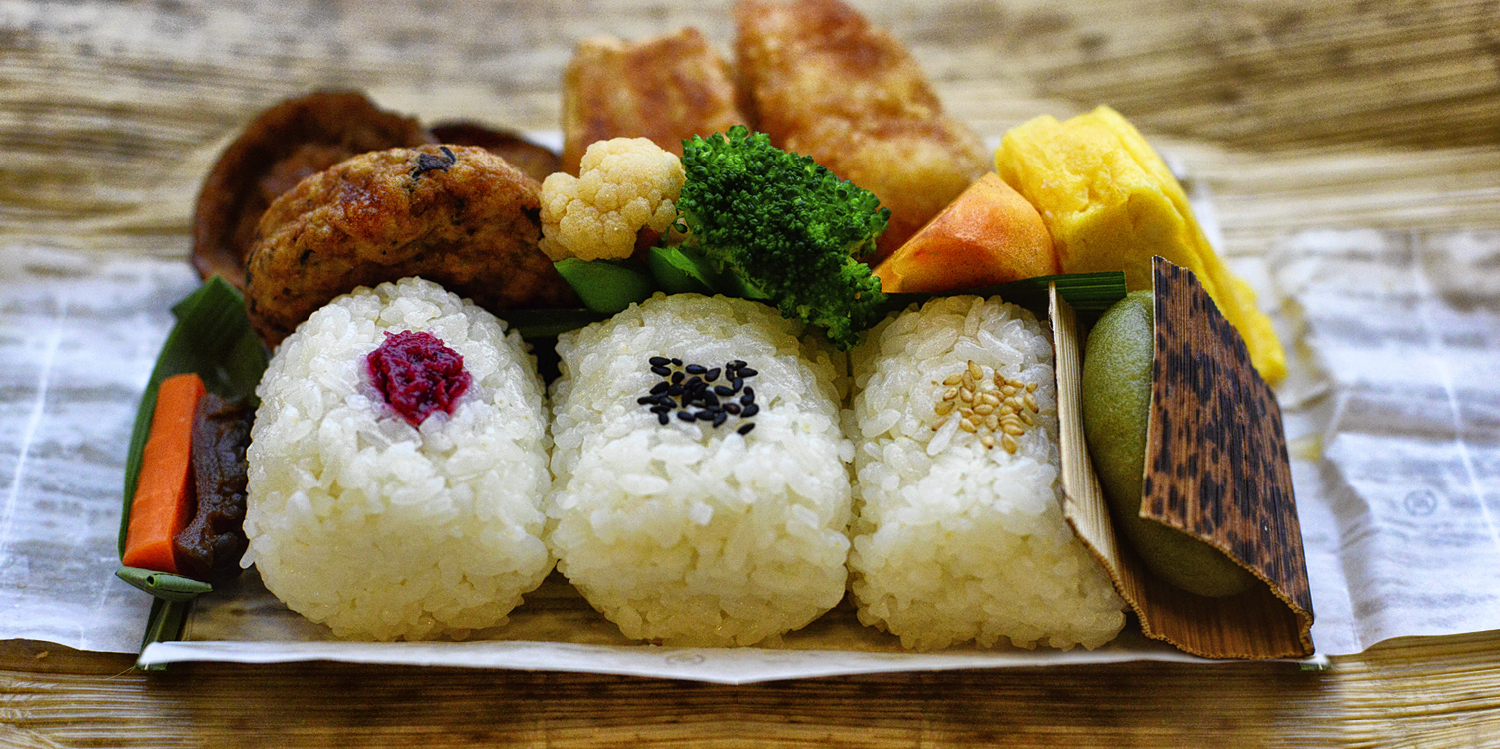
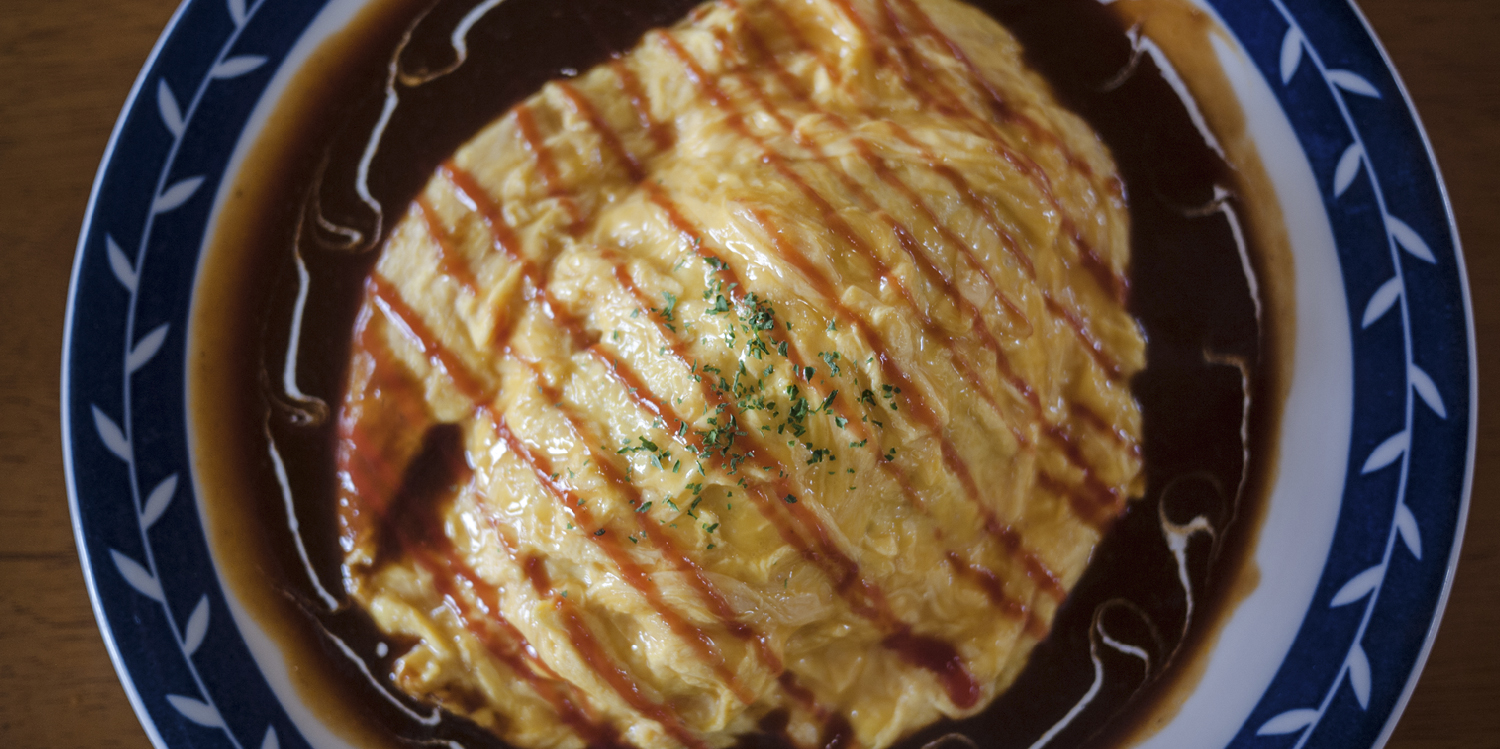
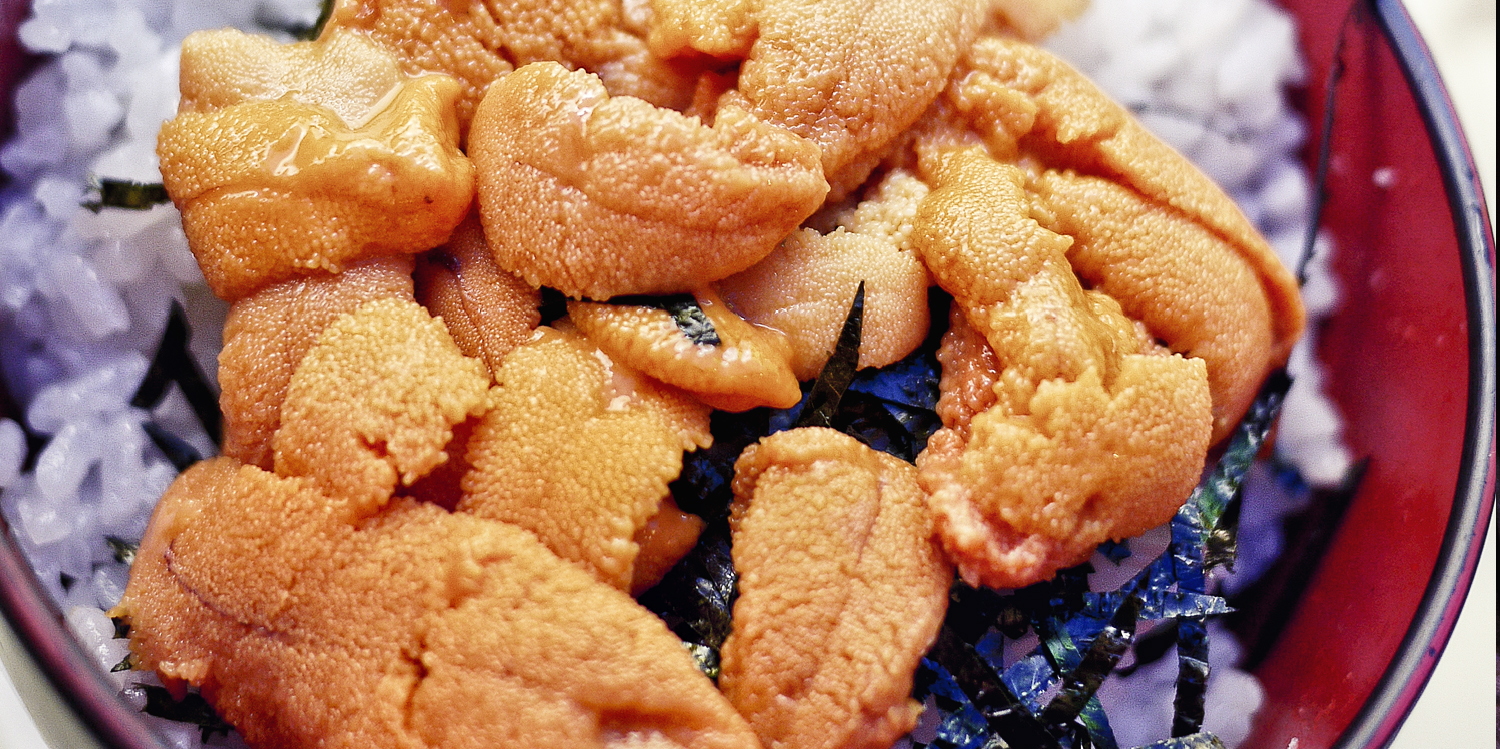
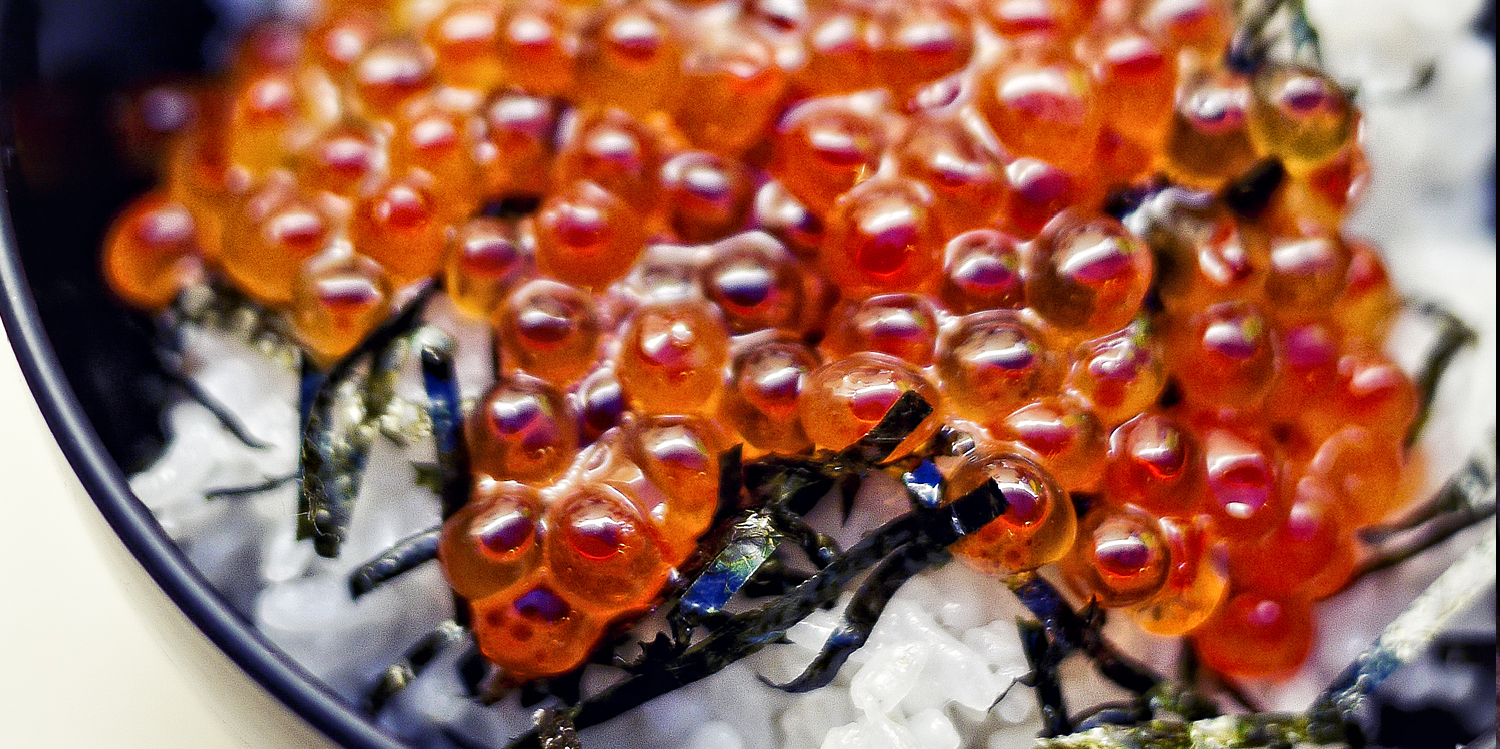
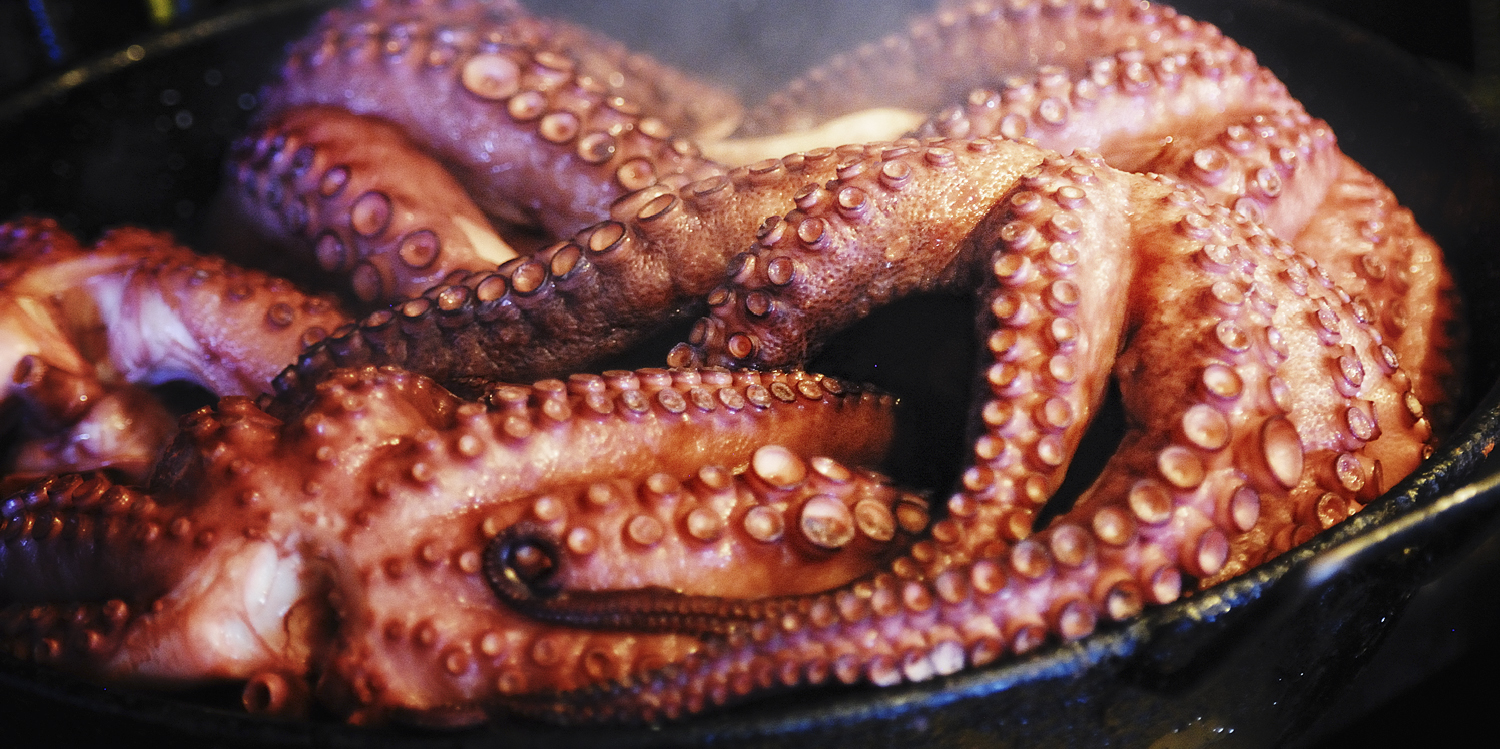
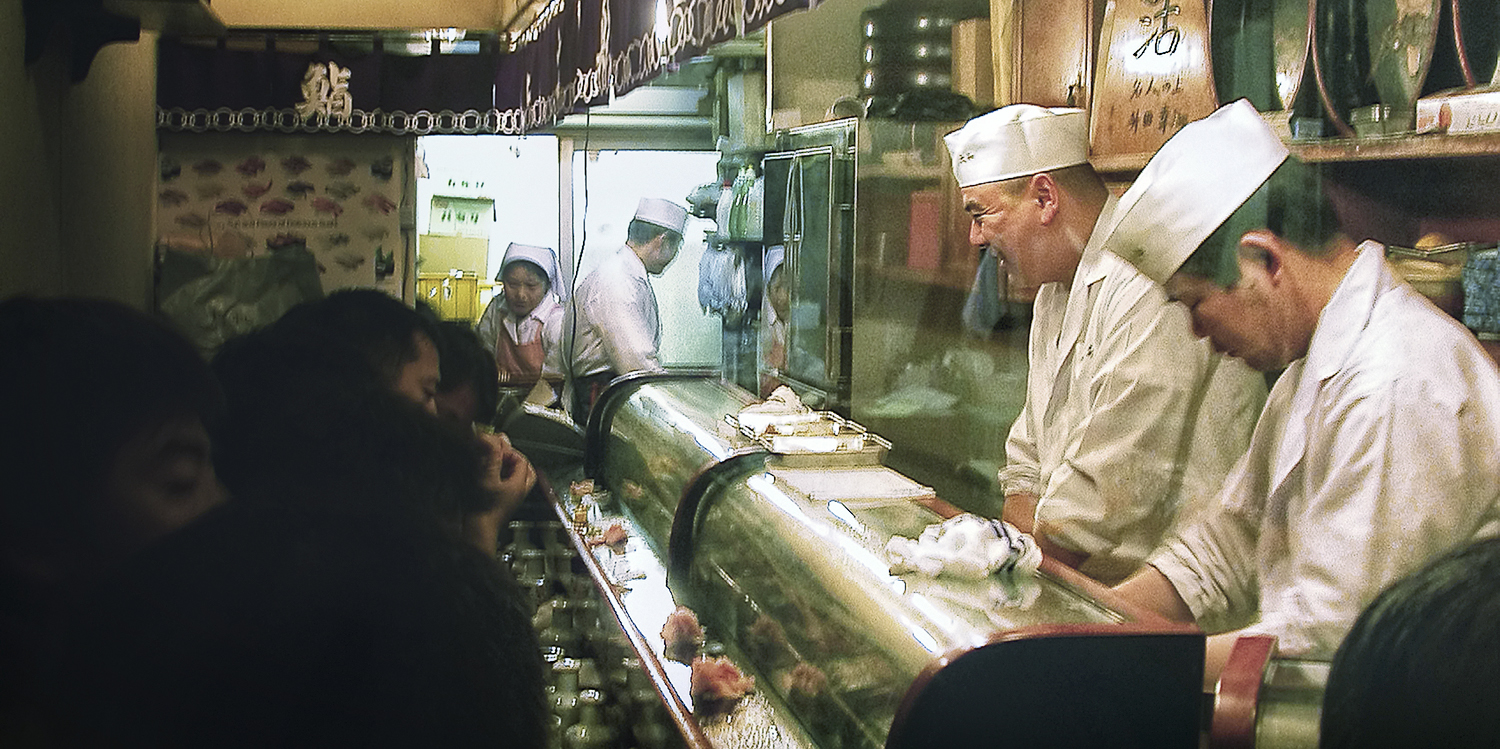
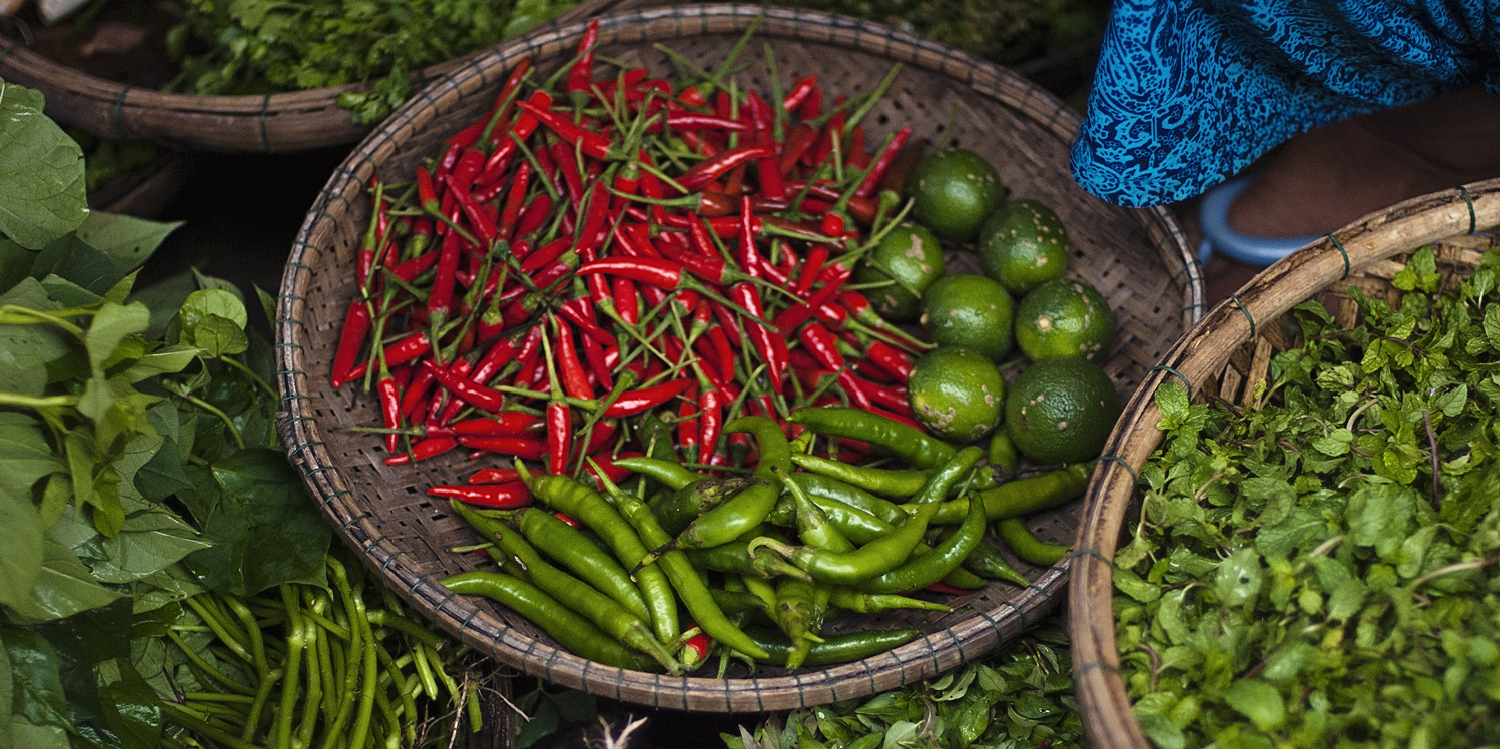
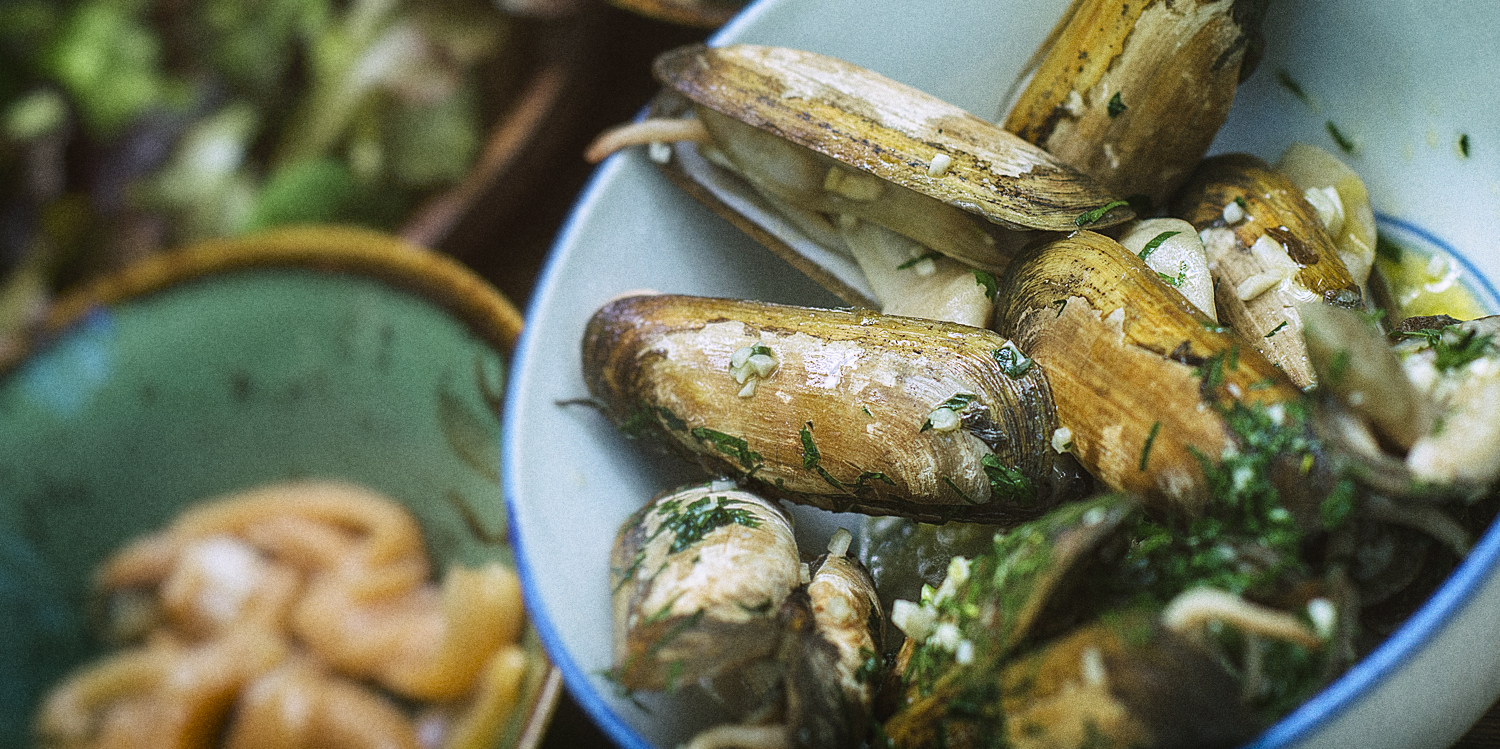
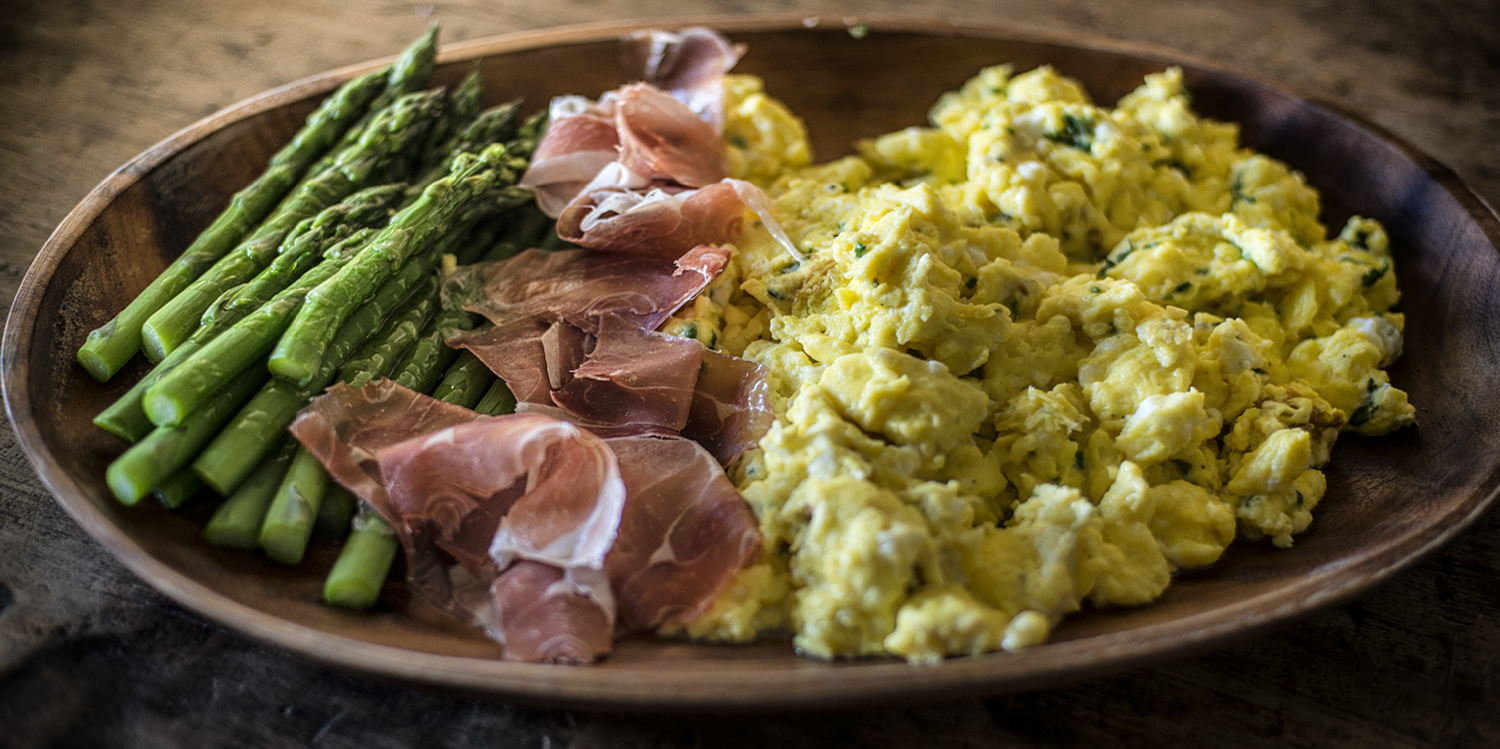
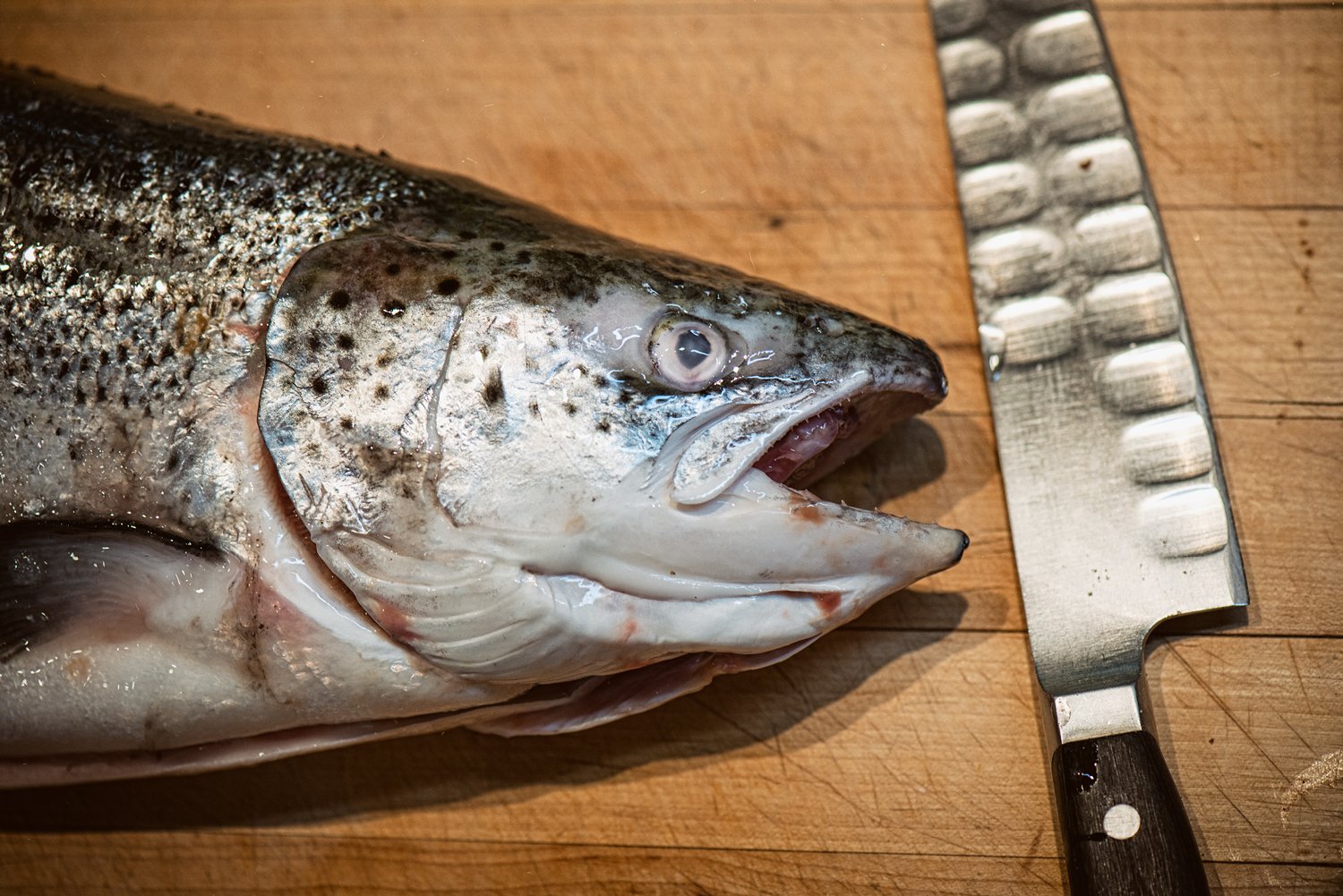
I am a foodie, though perhaps not as dedicated as my wife. I am one of those people you see at restaurants carefully composing a shot of the plate before the first bite. I make my wife wait until the lighting and the angle are just right—a habit that understandably drives her "bunkers."
I have no problem admitting that on Sundays at the farmer's market, I pick my vegetables based on how they will photograph rather than how they will taste. There is a specific geometry and art to the presentation of food that draws me in first; I strive to capture that visual soul before filling my tummy. Whether it is the industrial grit of my urban shots or the organic texture of a market stall, the search for the perfect composition never truly stops.
Peter Lugers. Tokyo, Japan

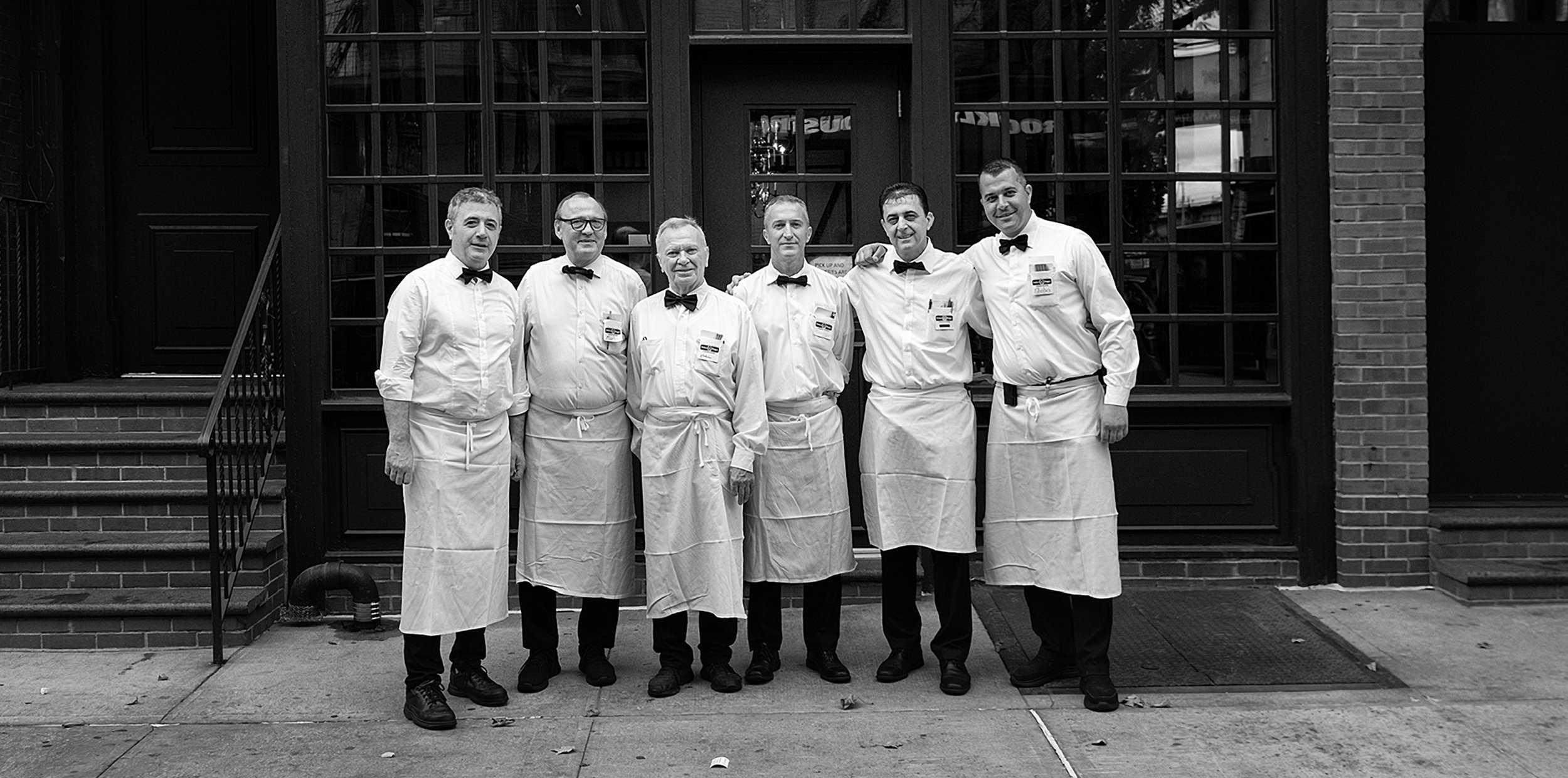
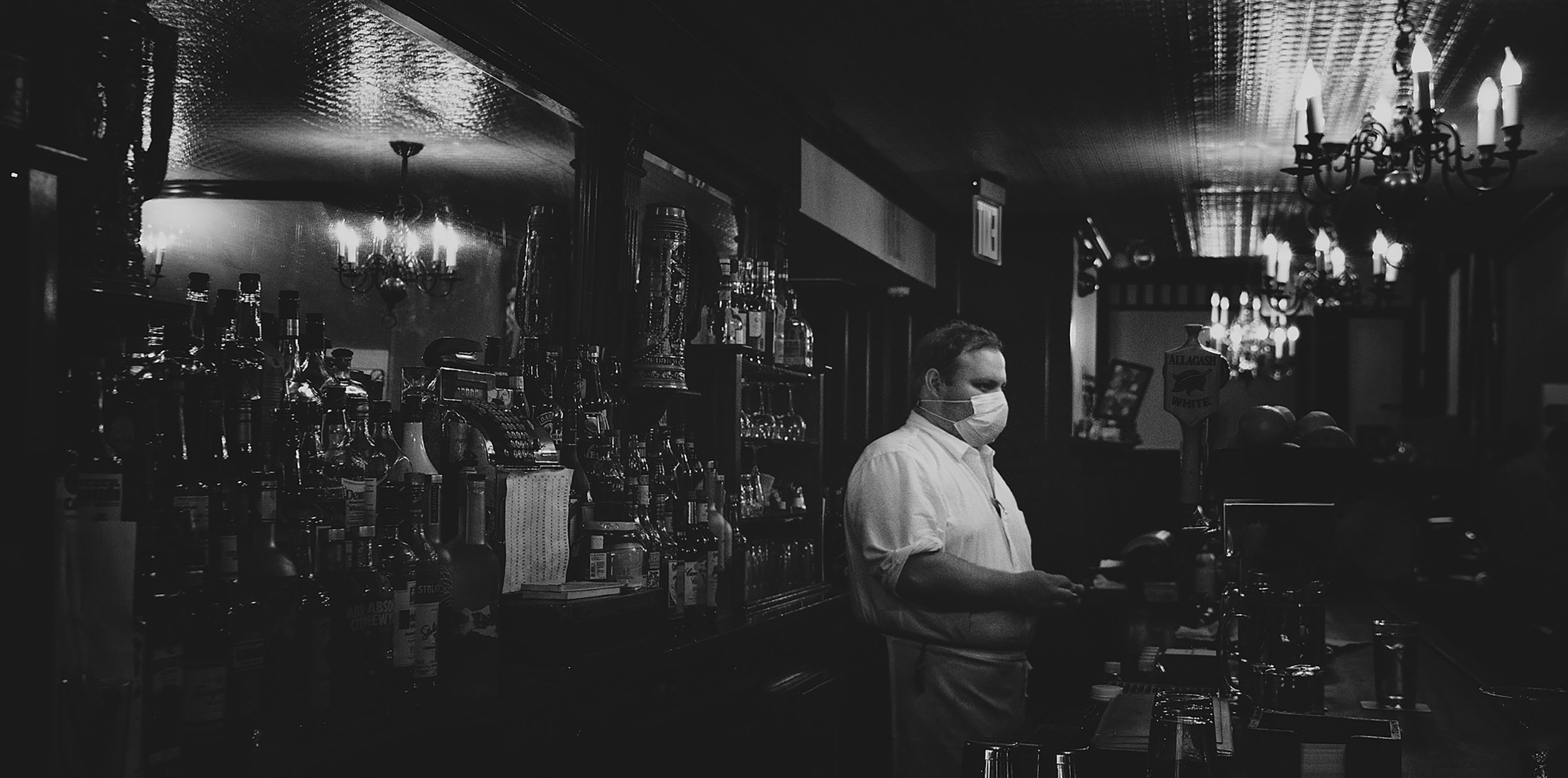
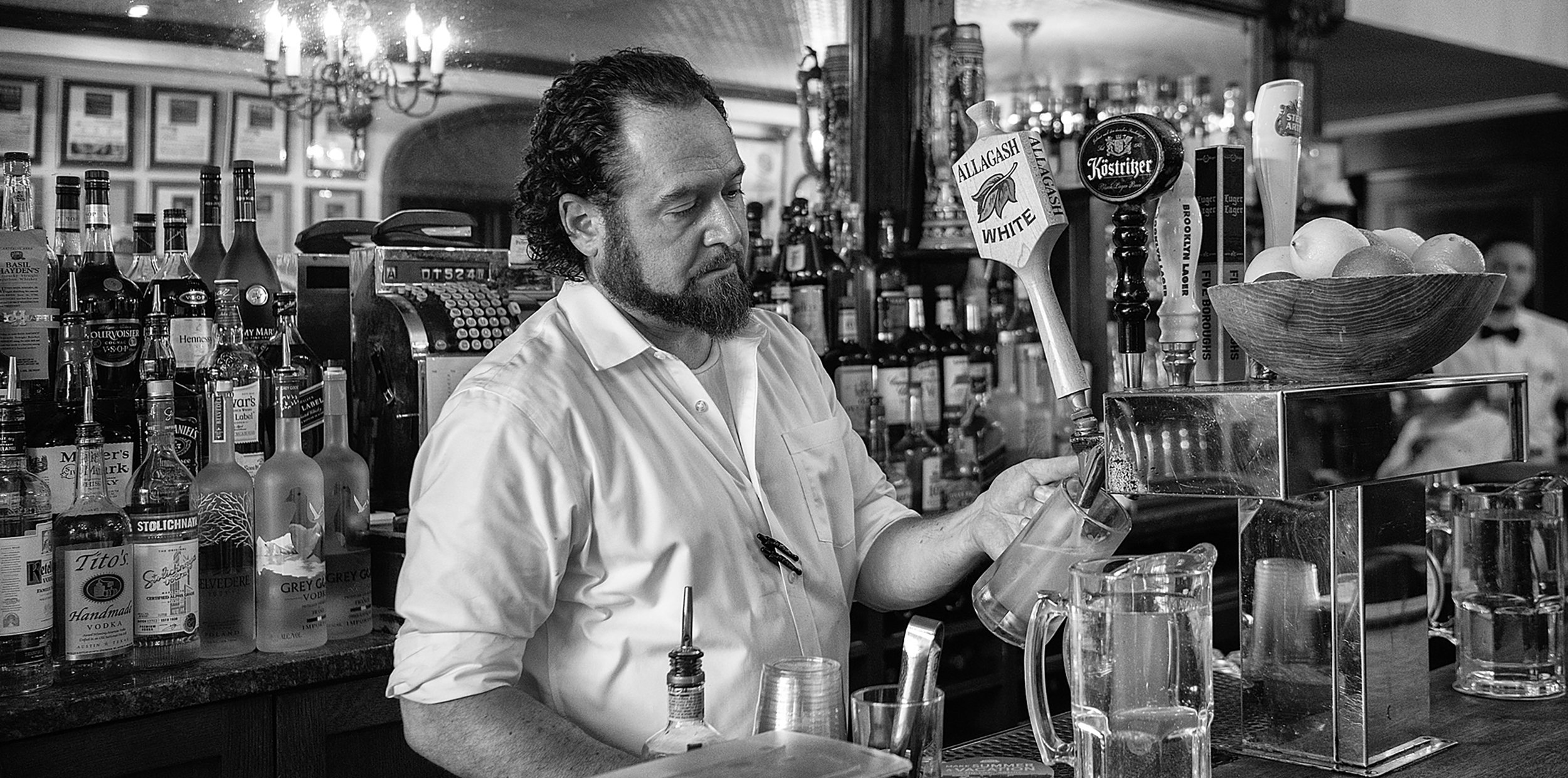
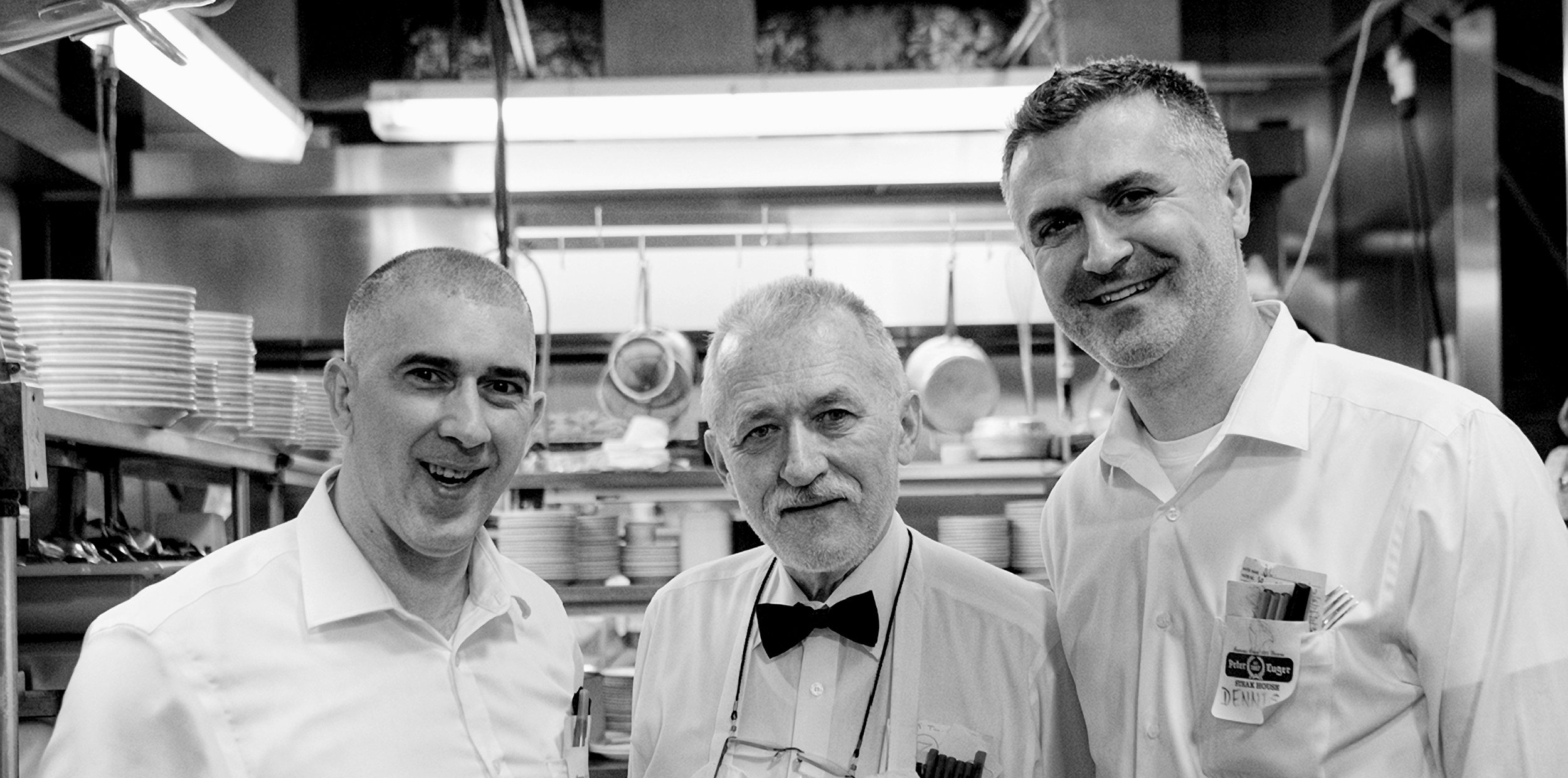
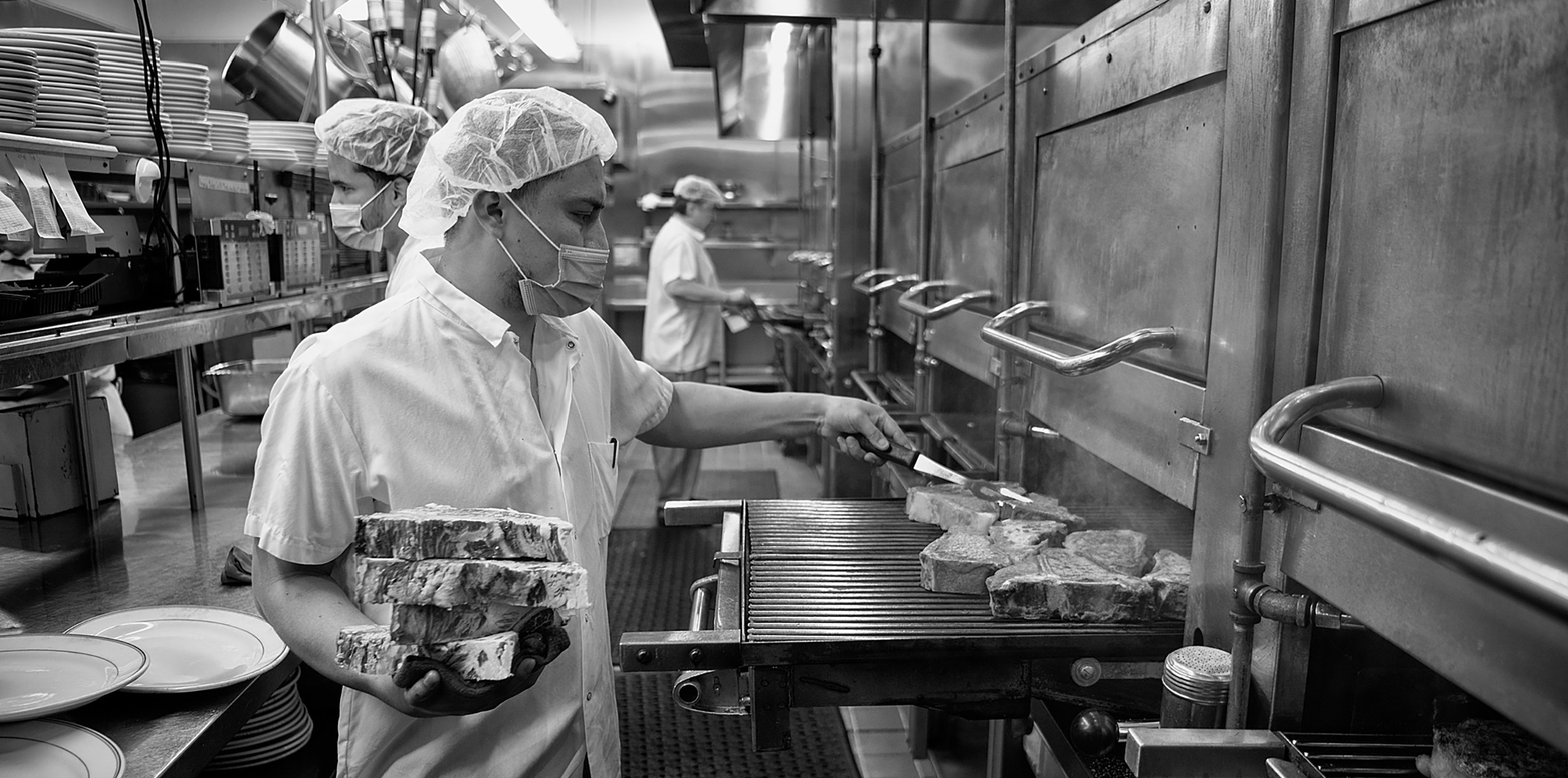
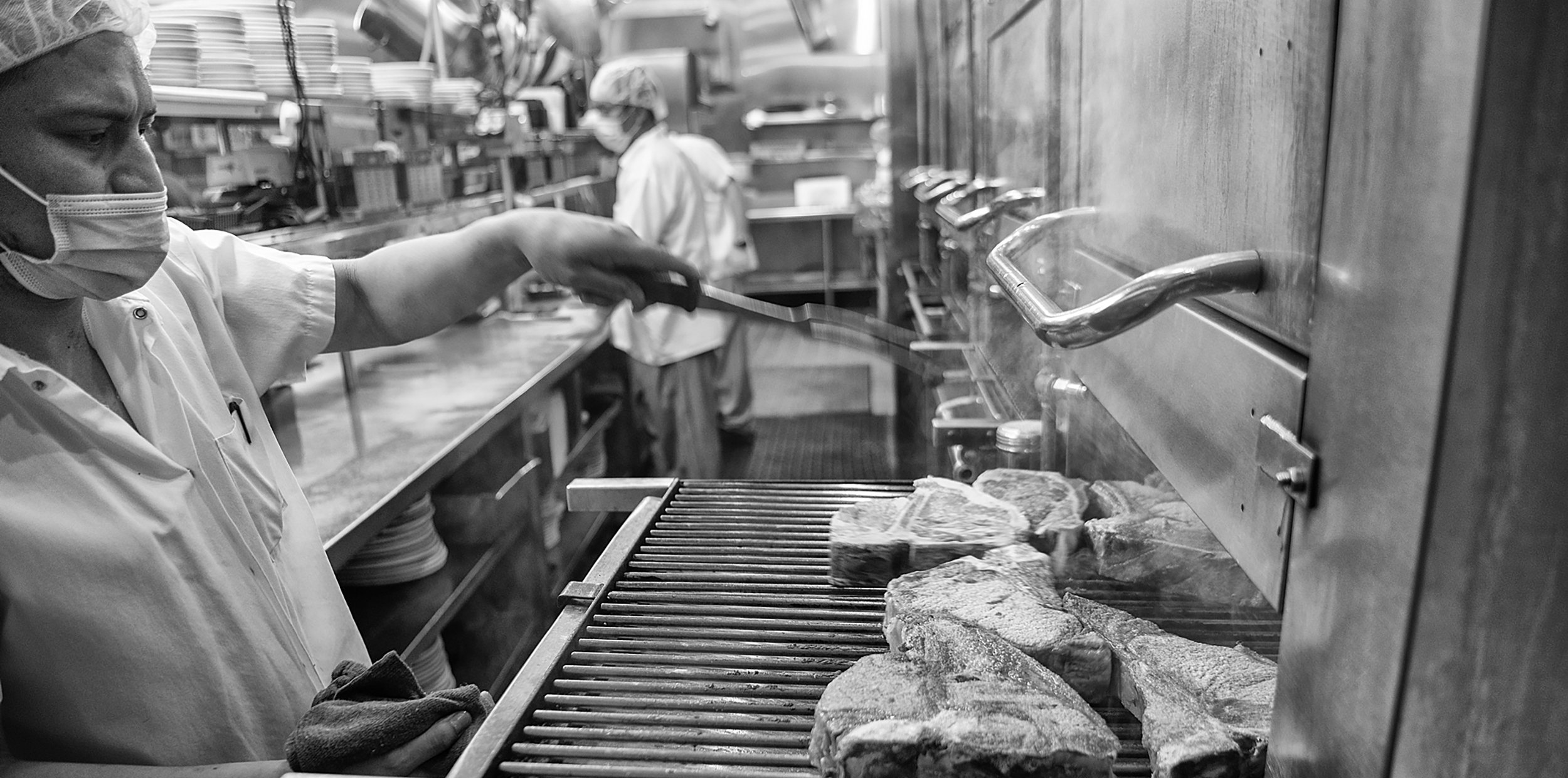
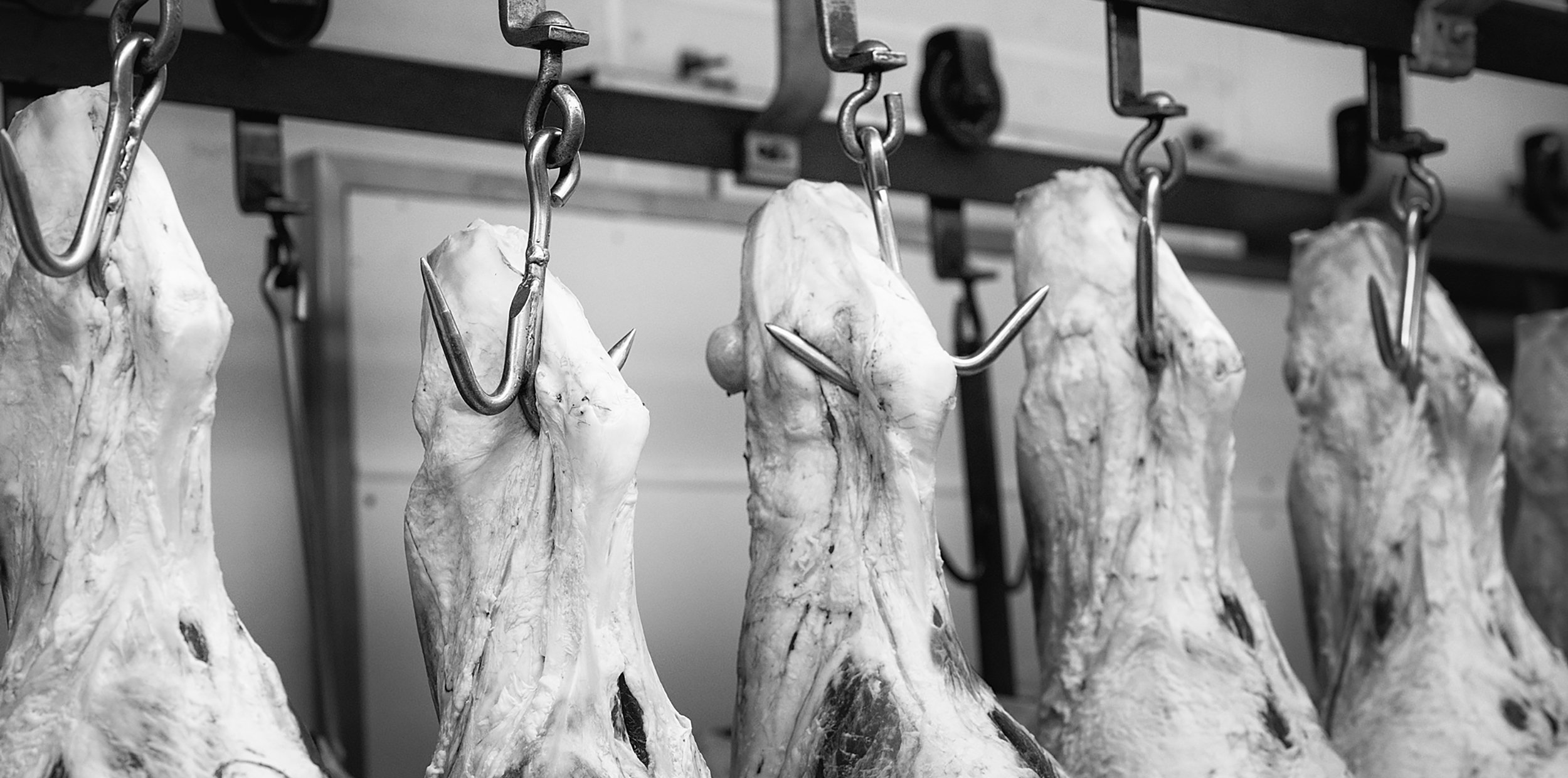
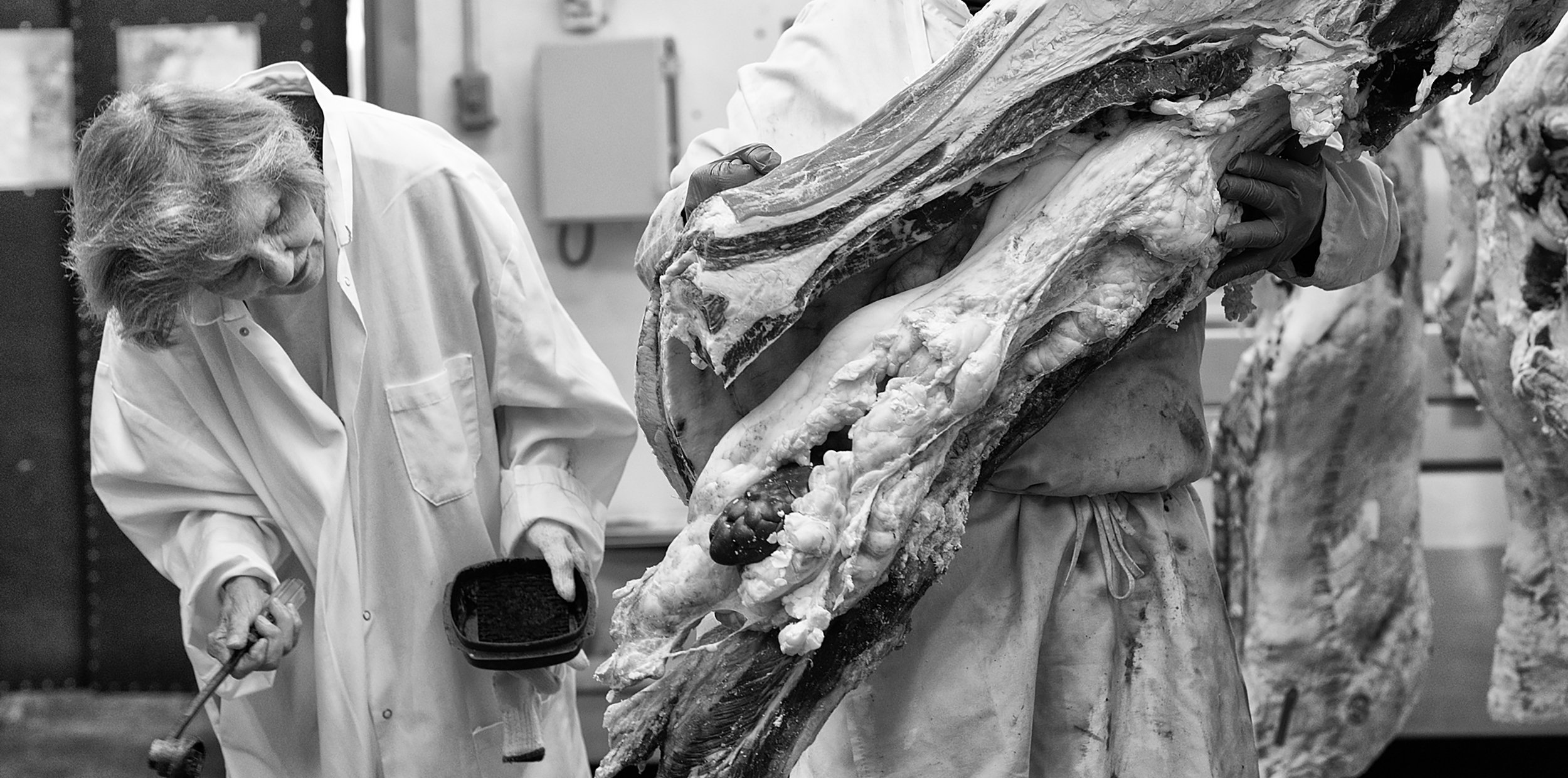
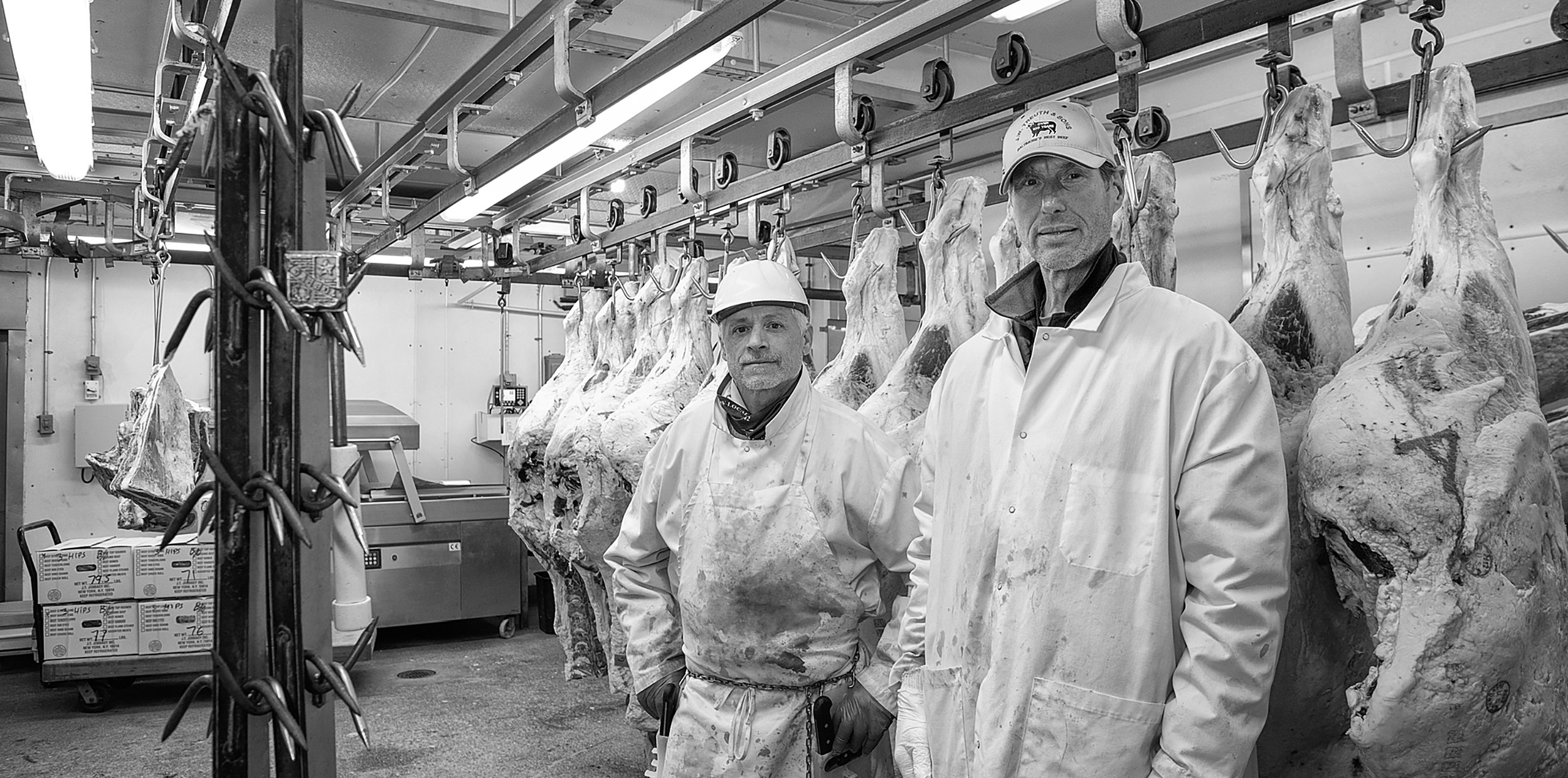
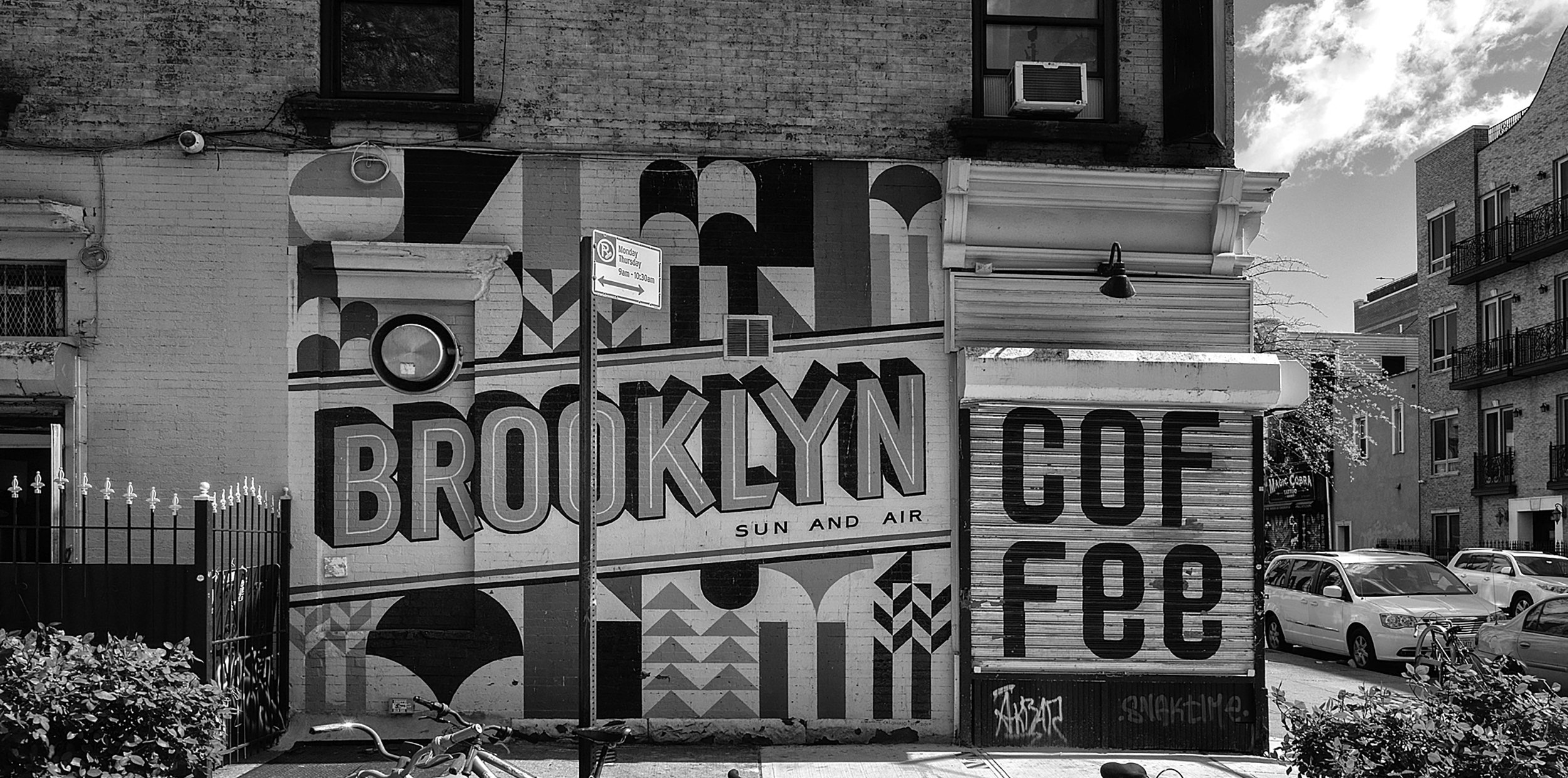
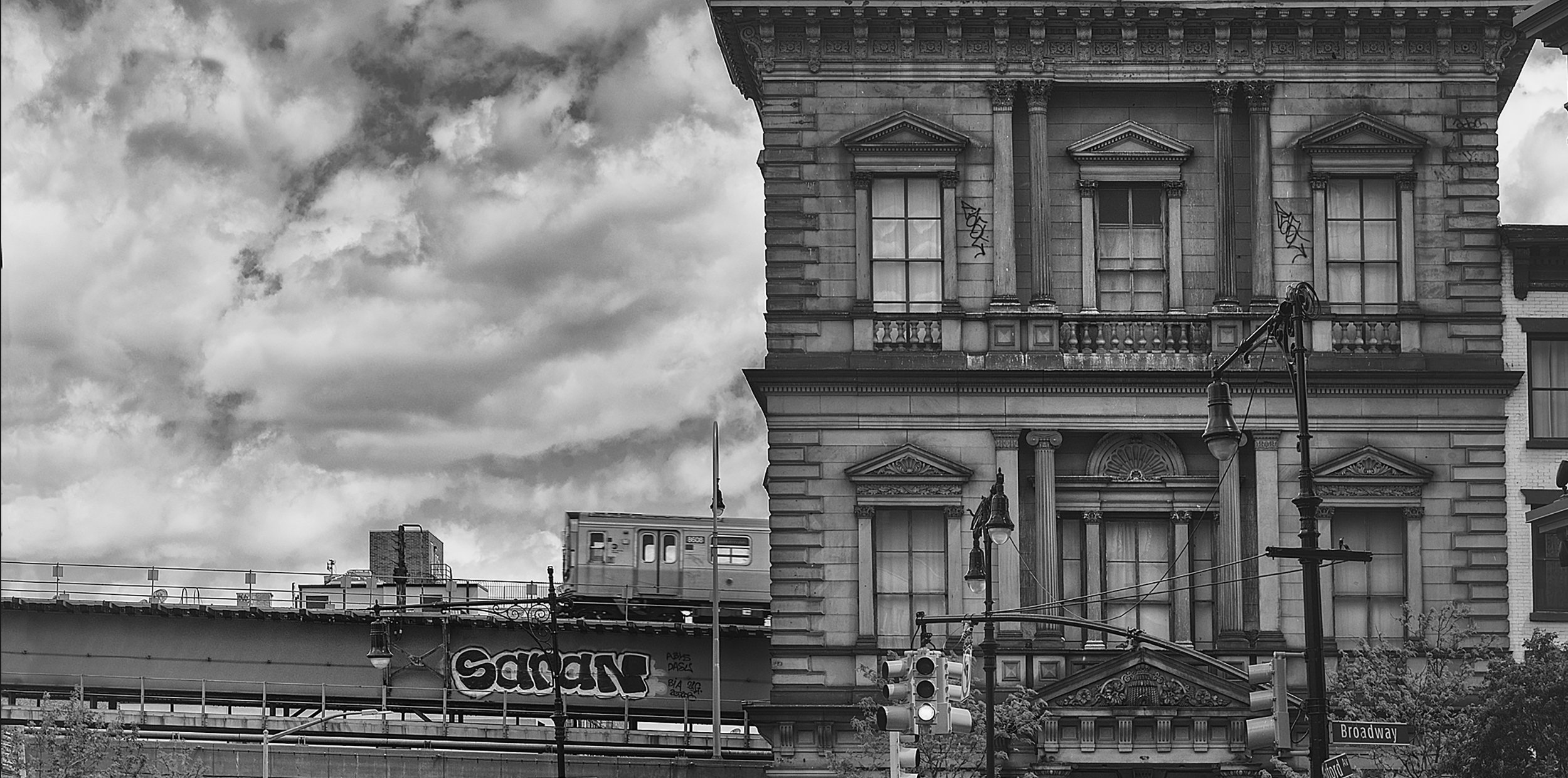
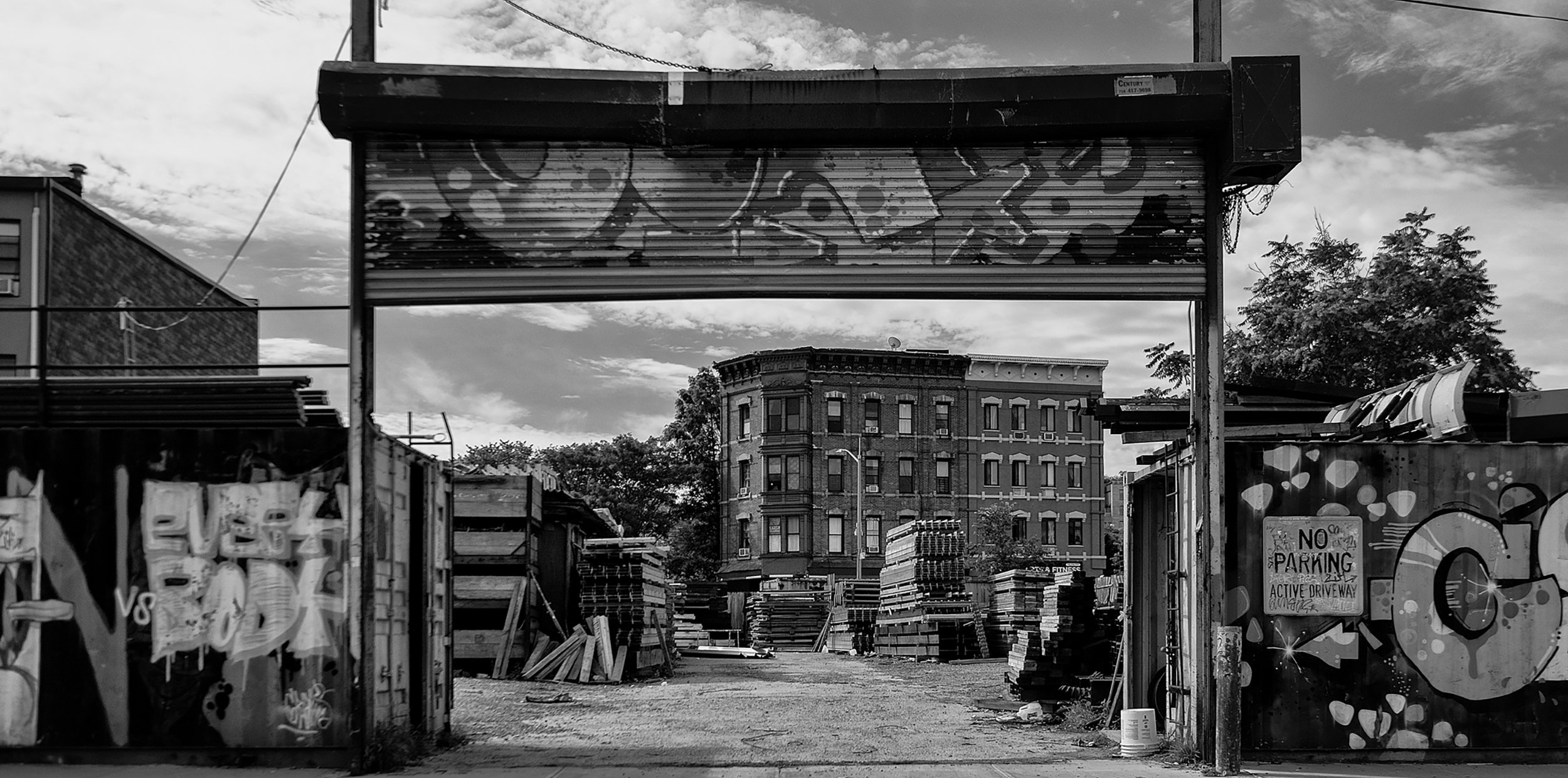
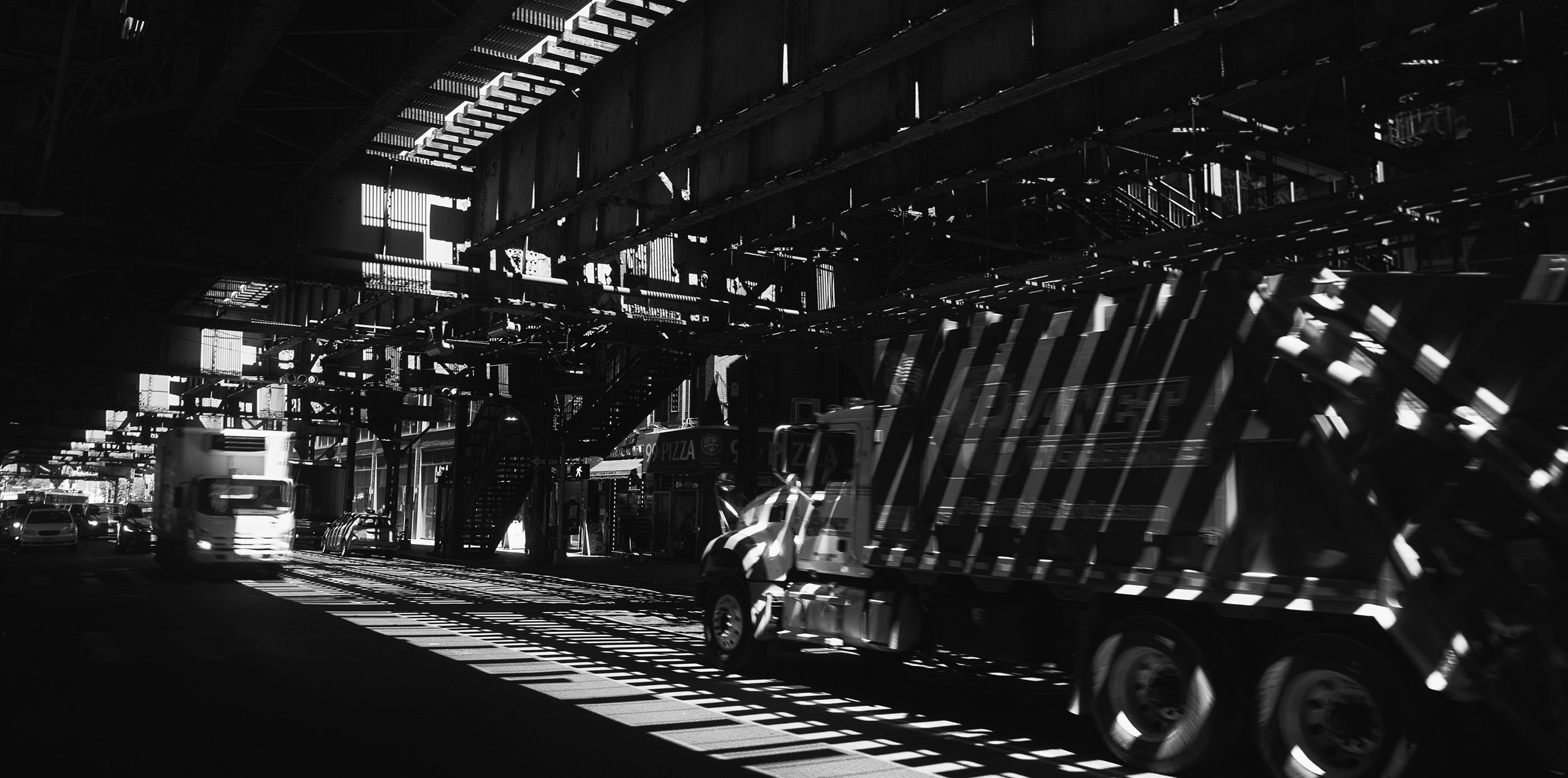
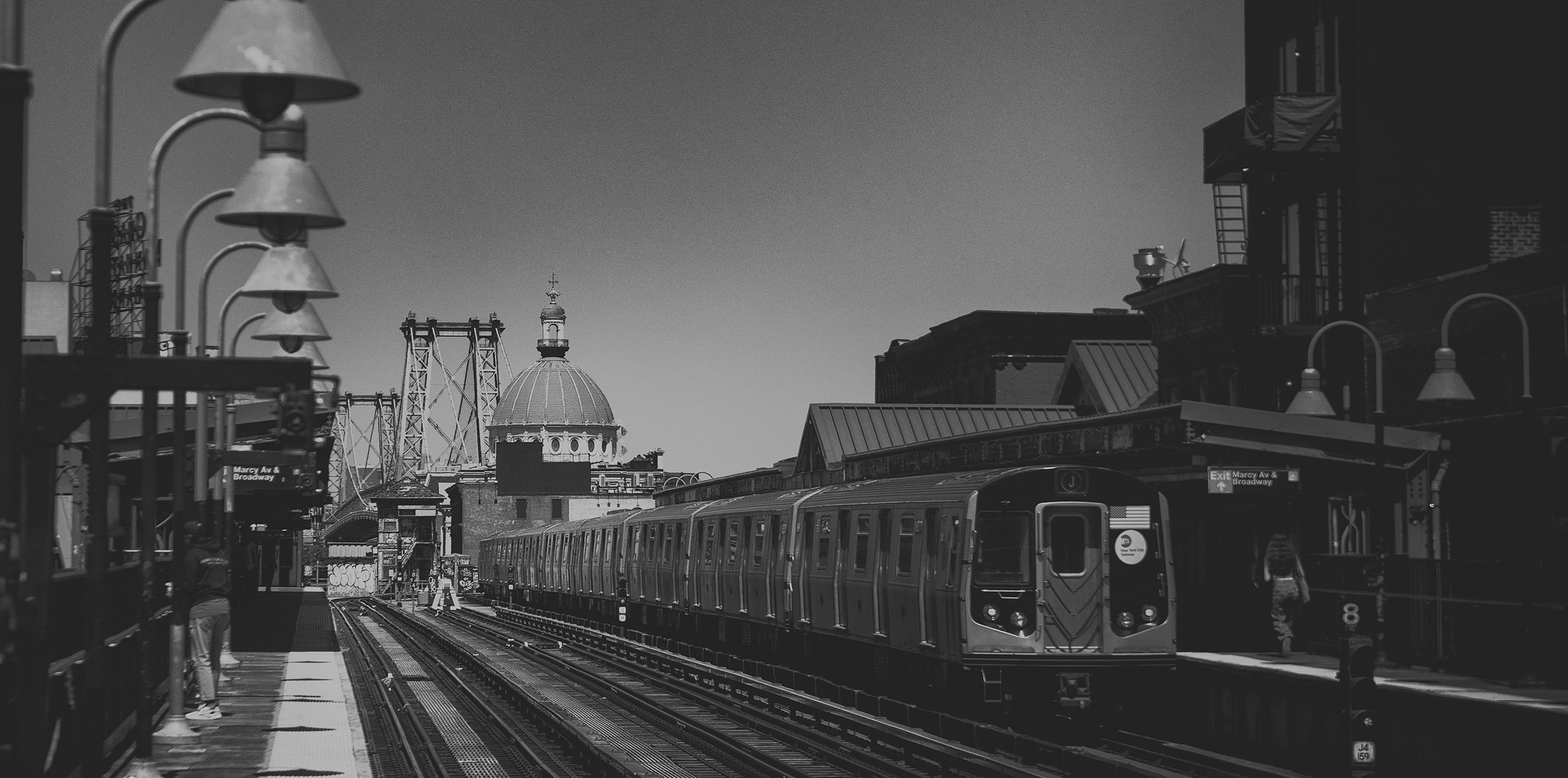
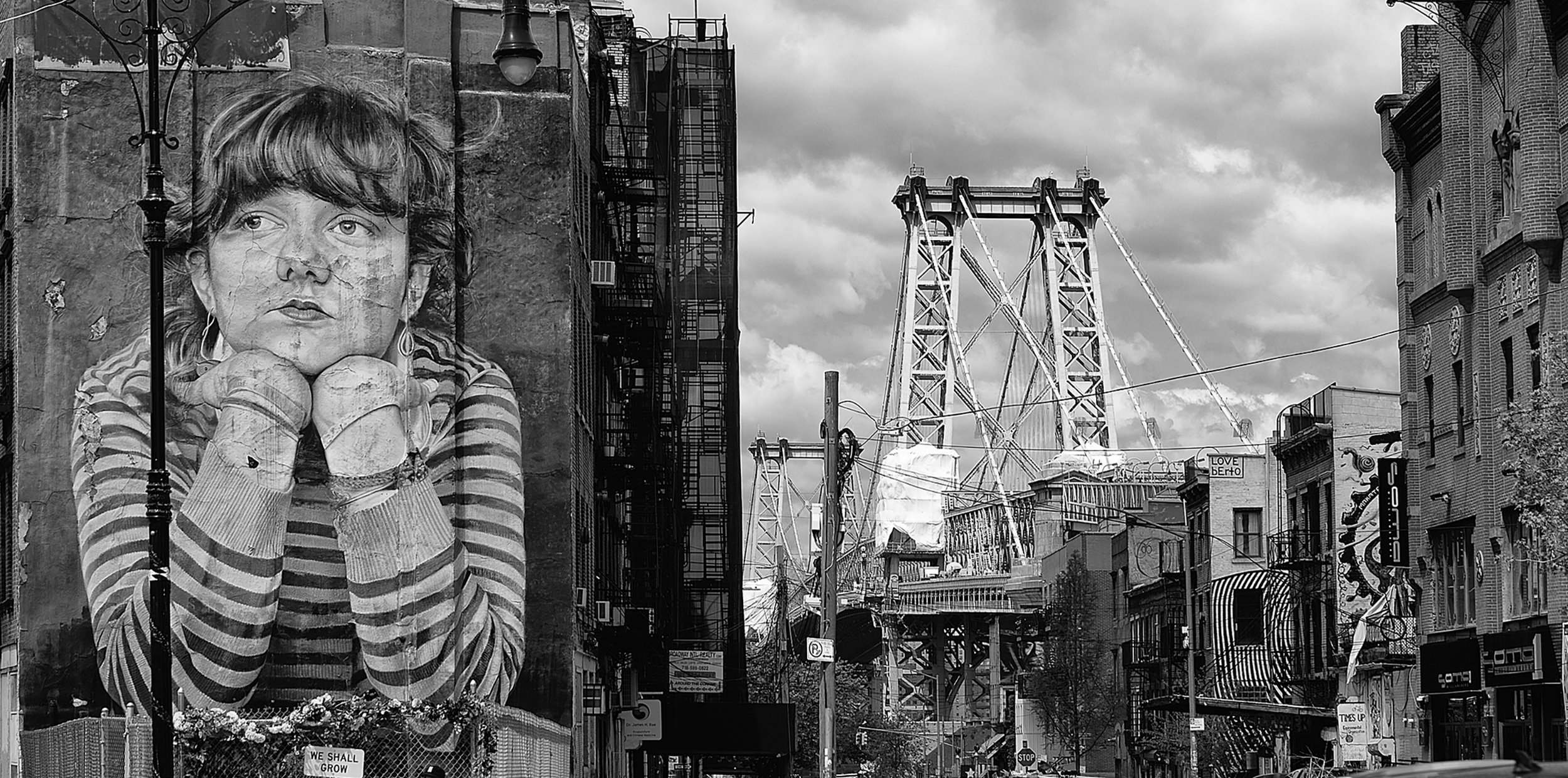
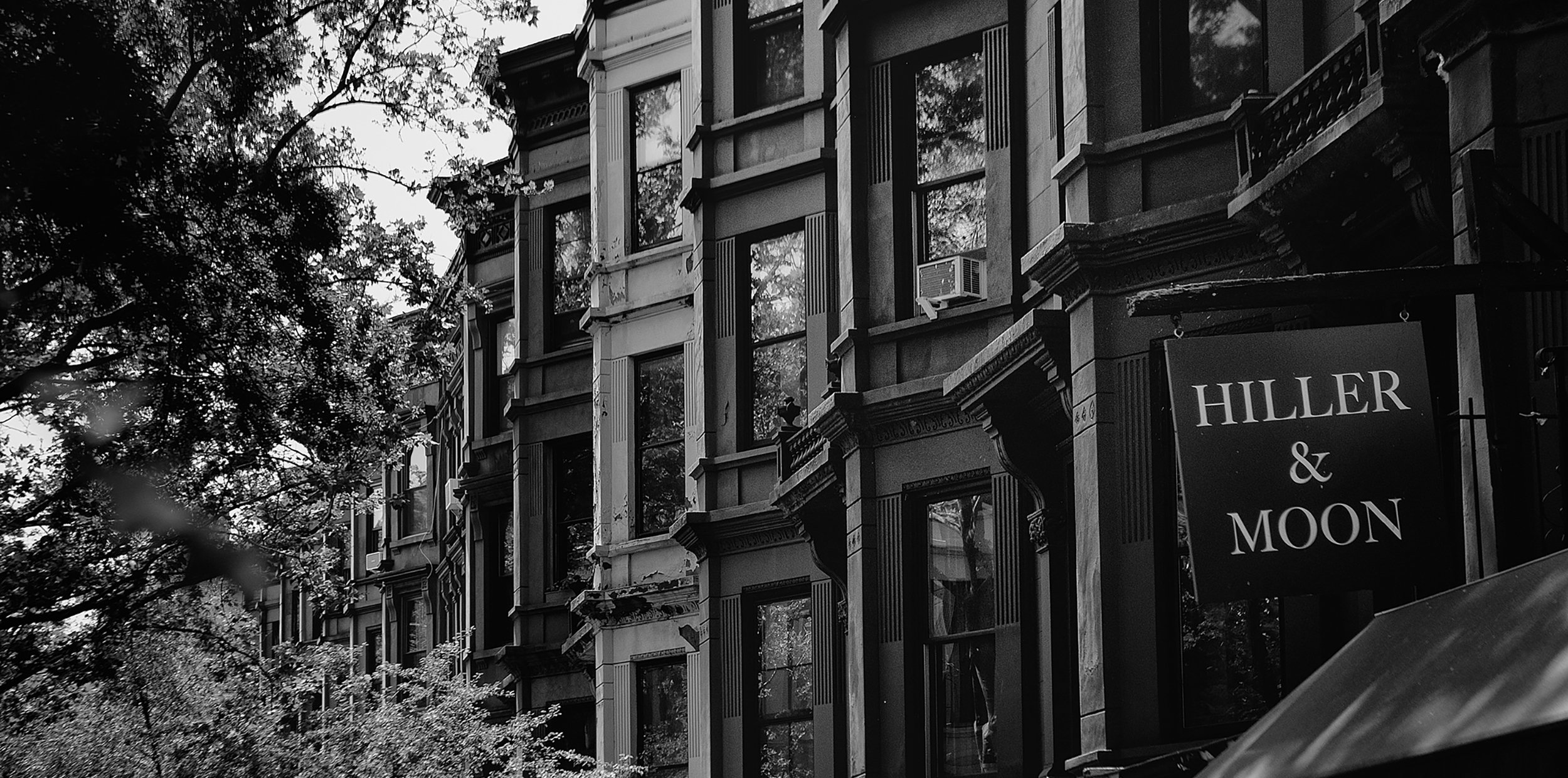
In 2023, I was commissioned to curate a permanent visual archive for the new Peter Luger Steak House in Tokyo. The project, a collaboration with Wondertable and Designpost, required a series of 30 photographs that celebrated the raw, unpolished spirit of the original Brooklyn institution and its surrounding neighborhood.
My goal was to document the 'unseen' Peter Luger—the industrial precision of the dry-aging rooms, the rhythmic heat of the kitchen, and the storied faces of the staff who define its legacy. By capturing these moments in a high-contrast, noir-inspired aesthetic, I aimed to bridge the distance between Brooklyn and Tokyo, proving that the 'human factor' of a New York icon is a universal language
Cambodia
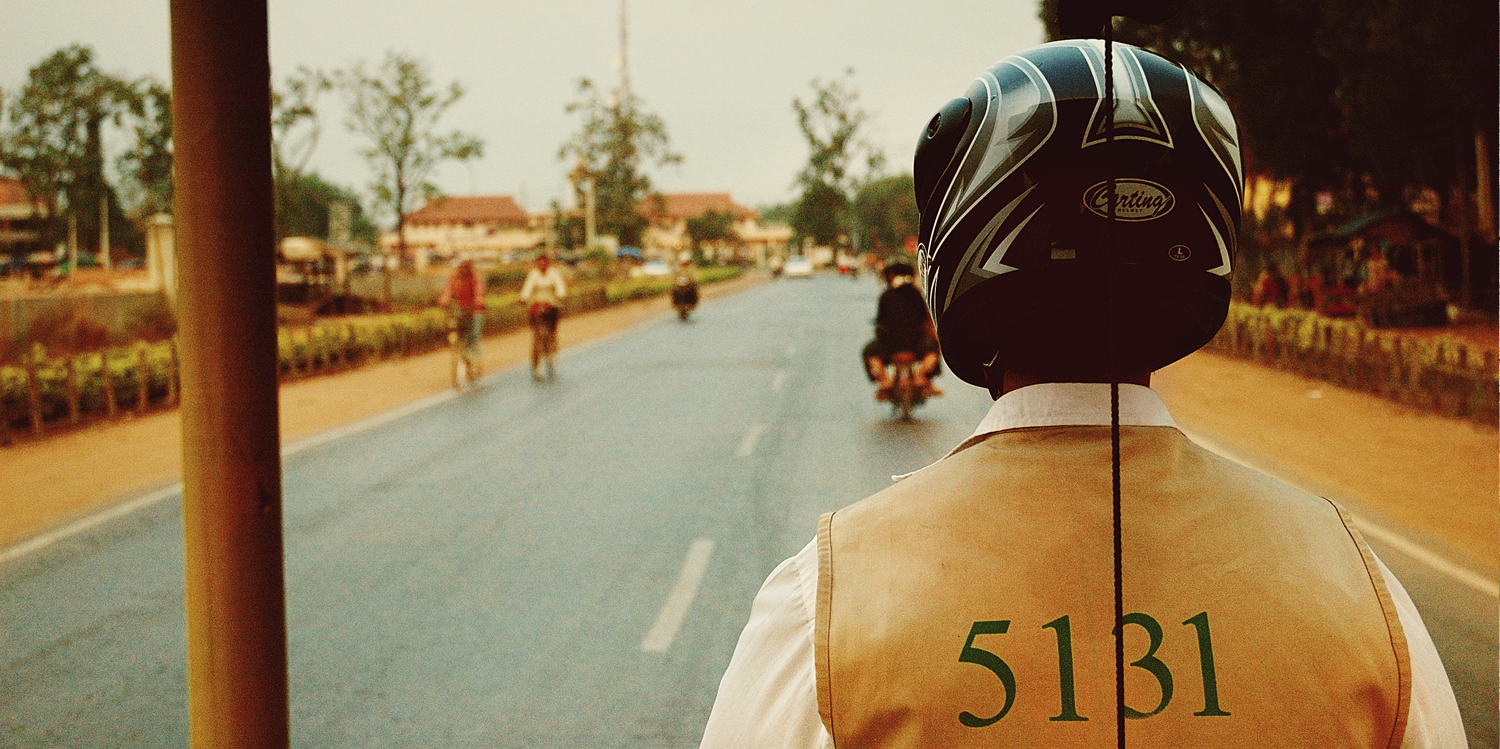
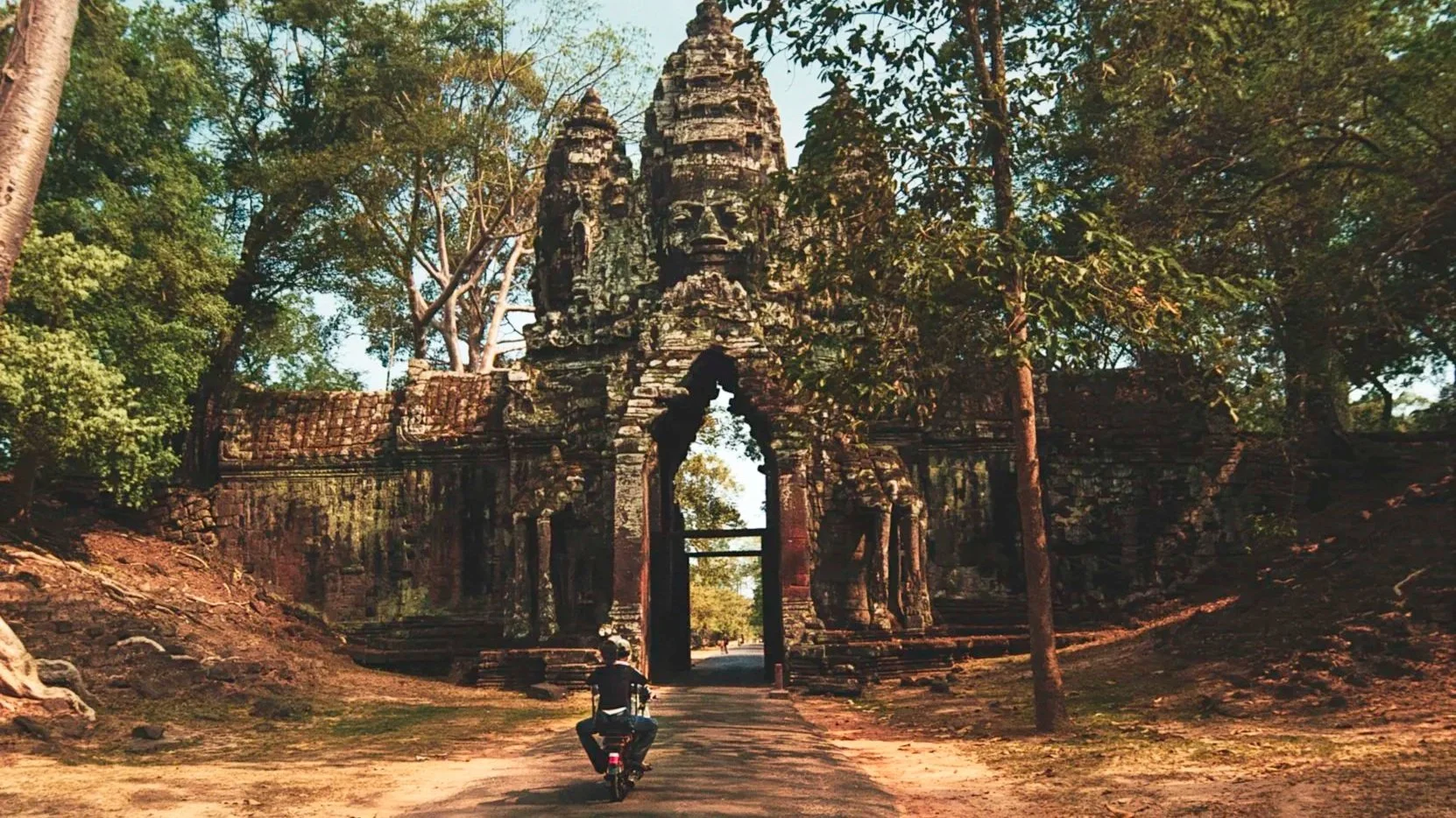
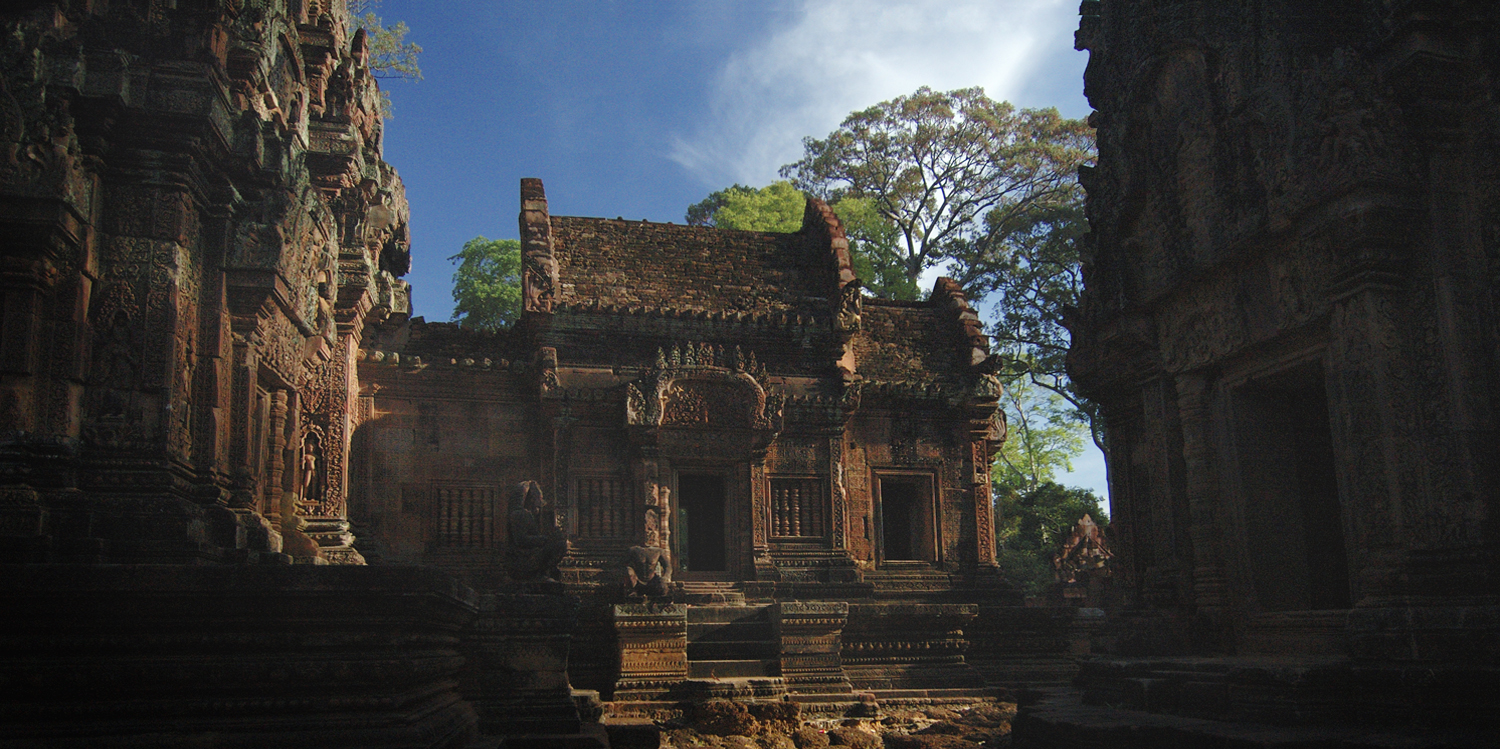
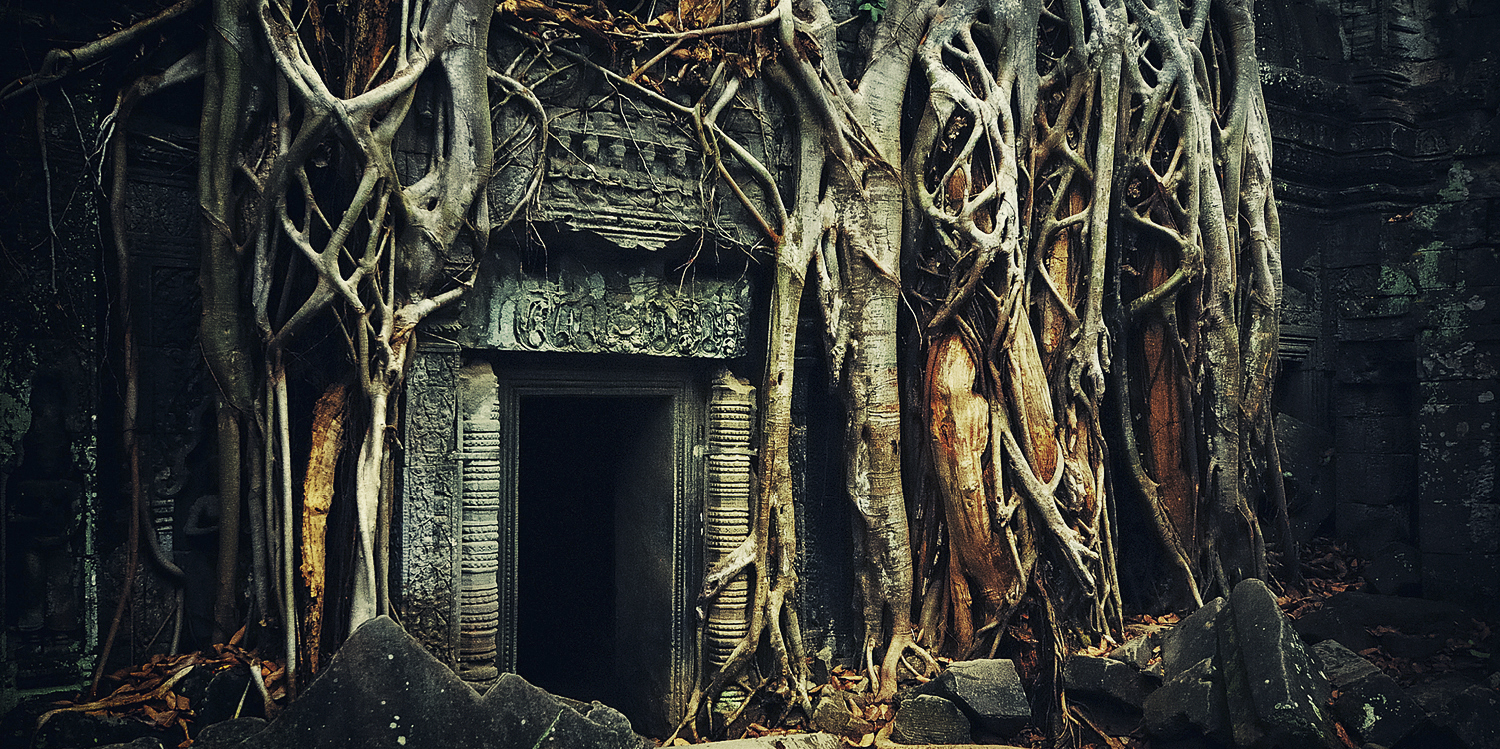
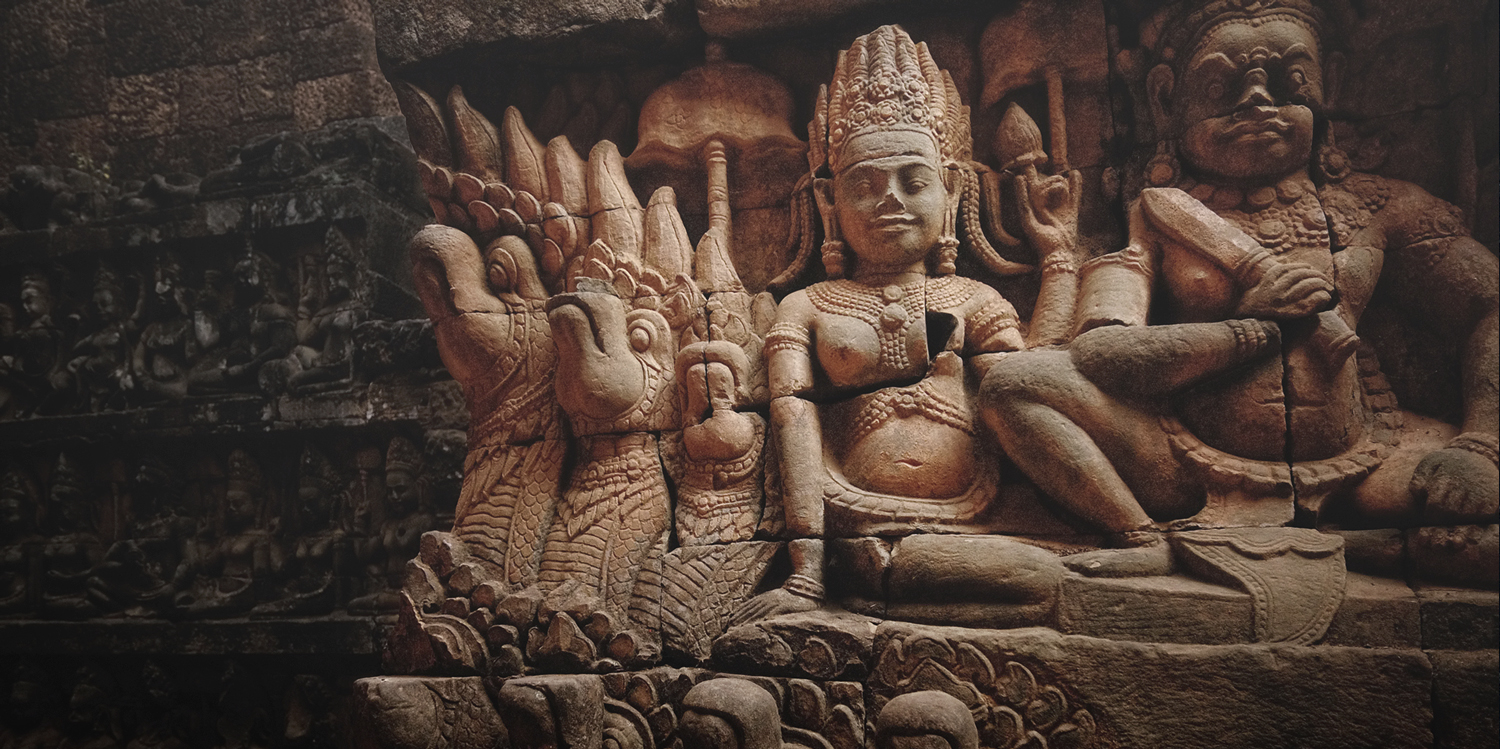
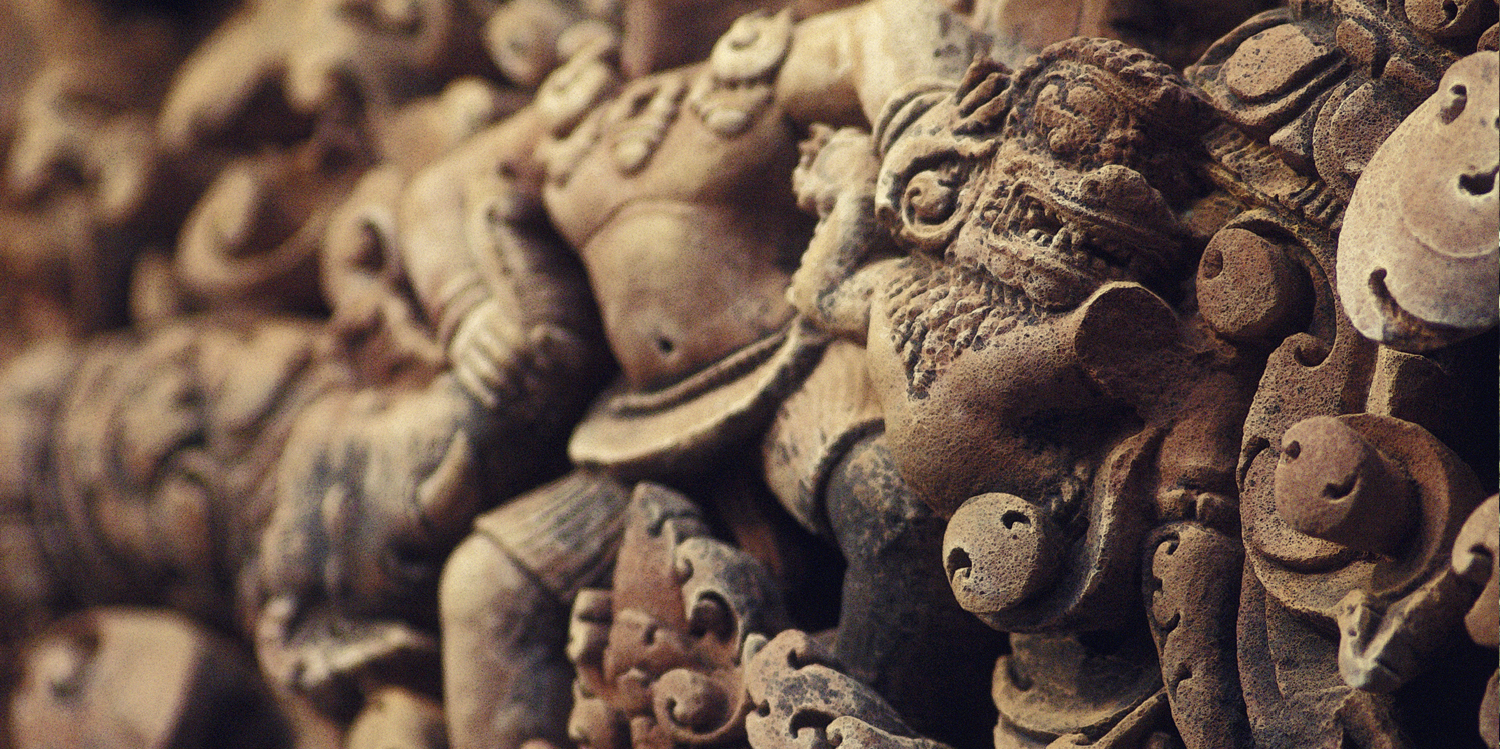
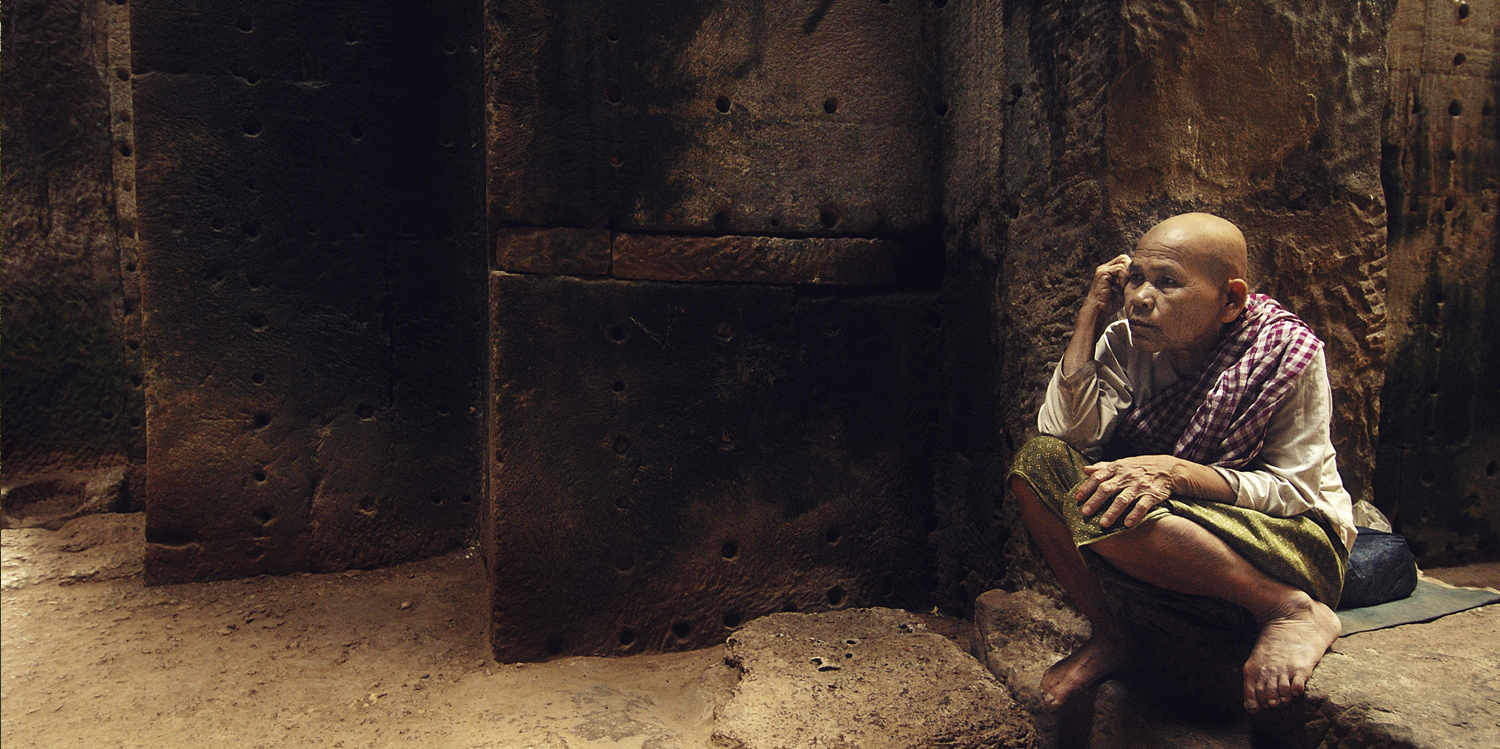
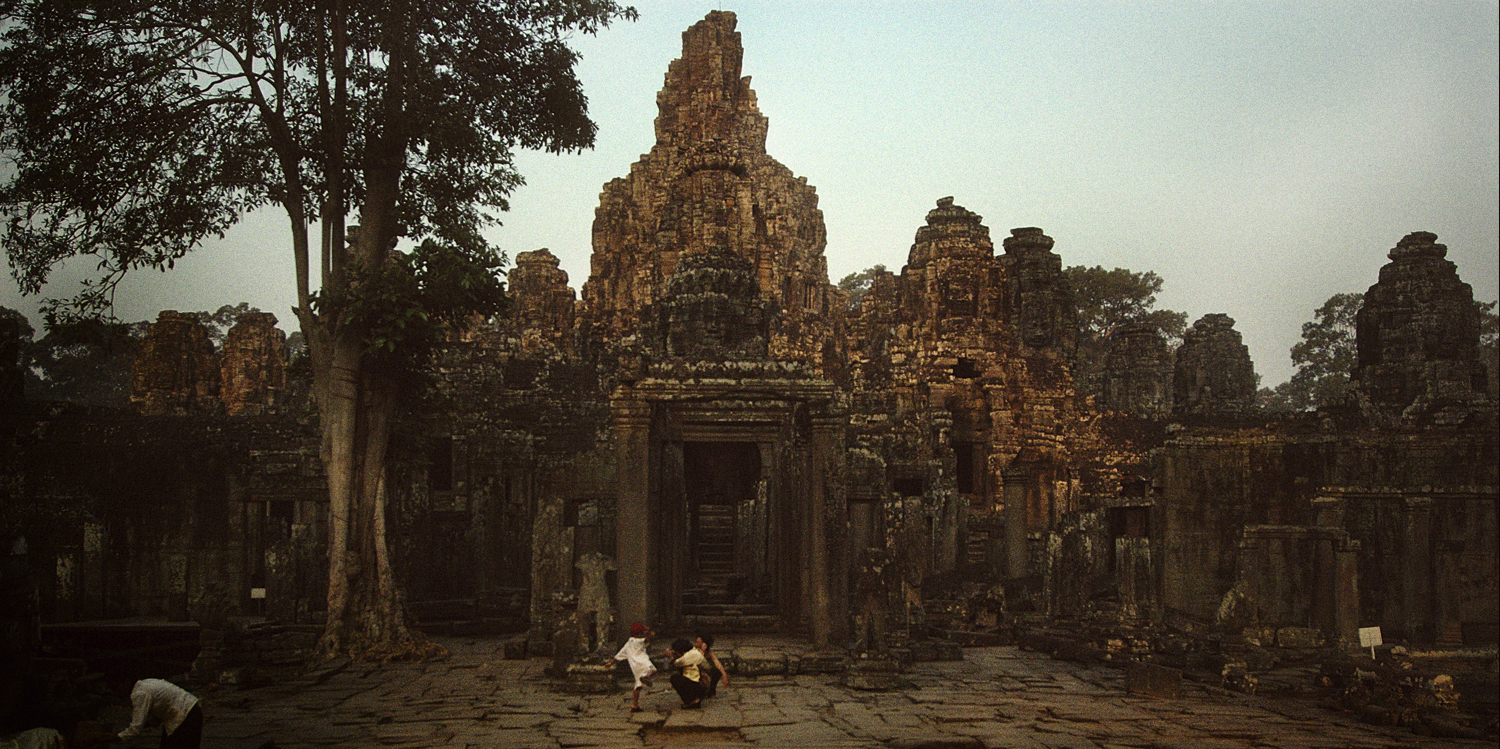

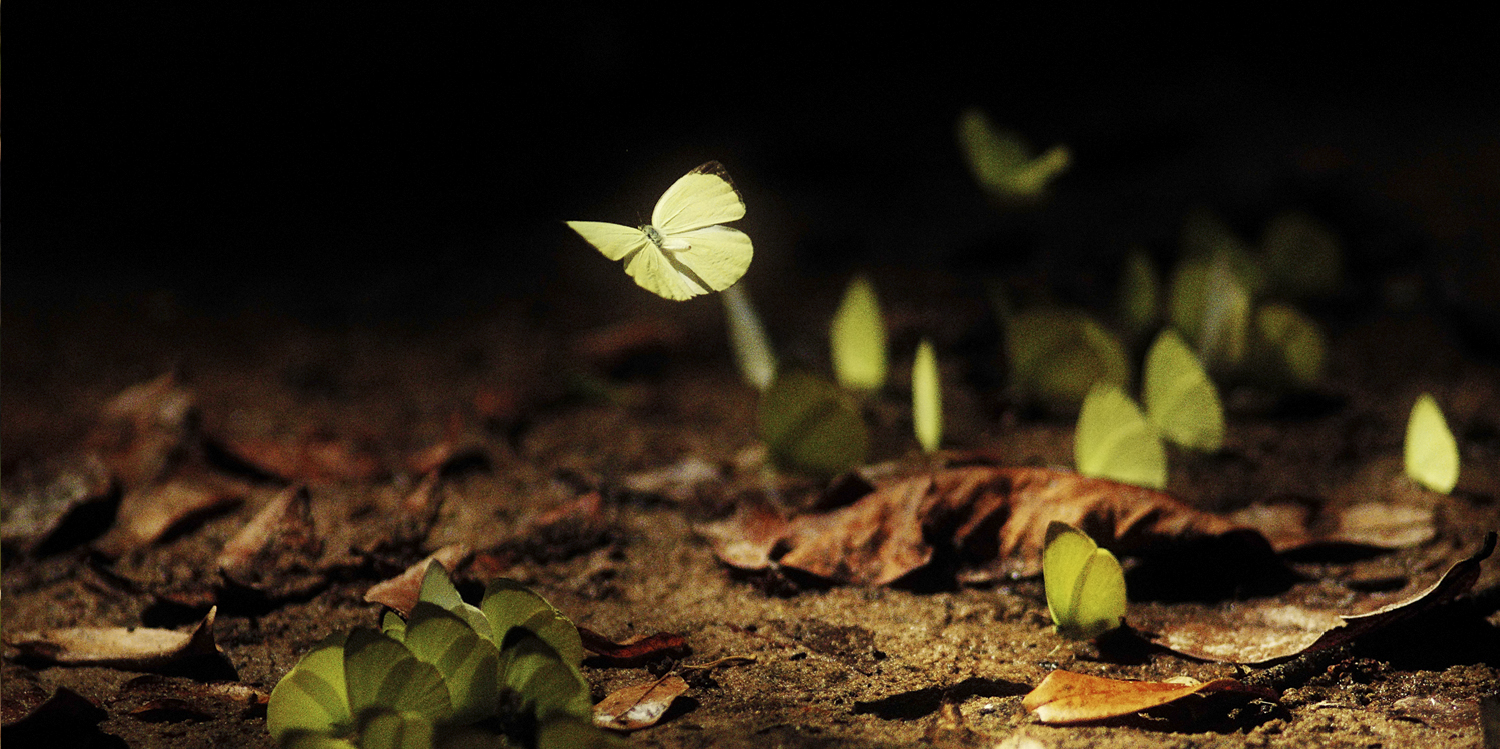
Angkor: A Race Against Progress
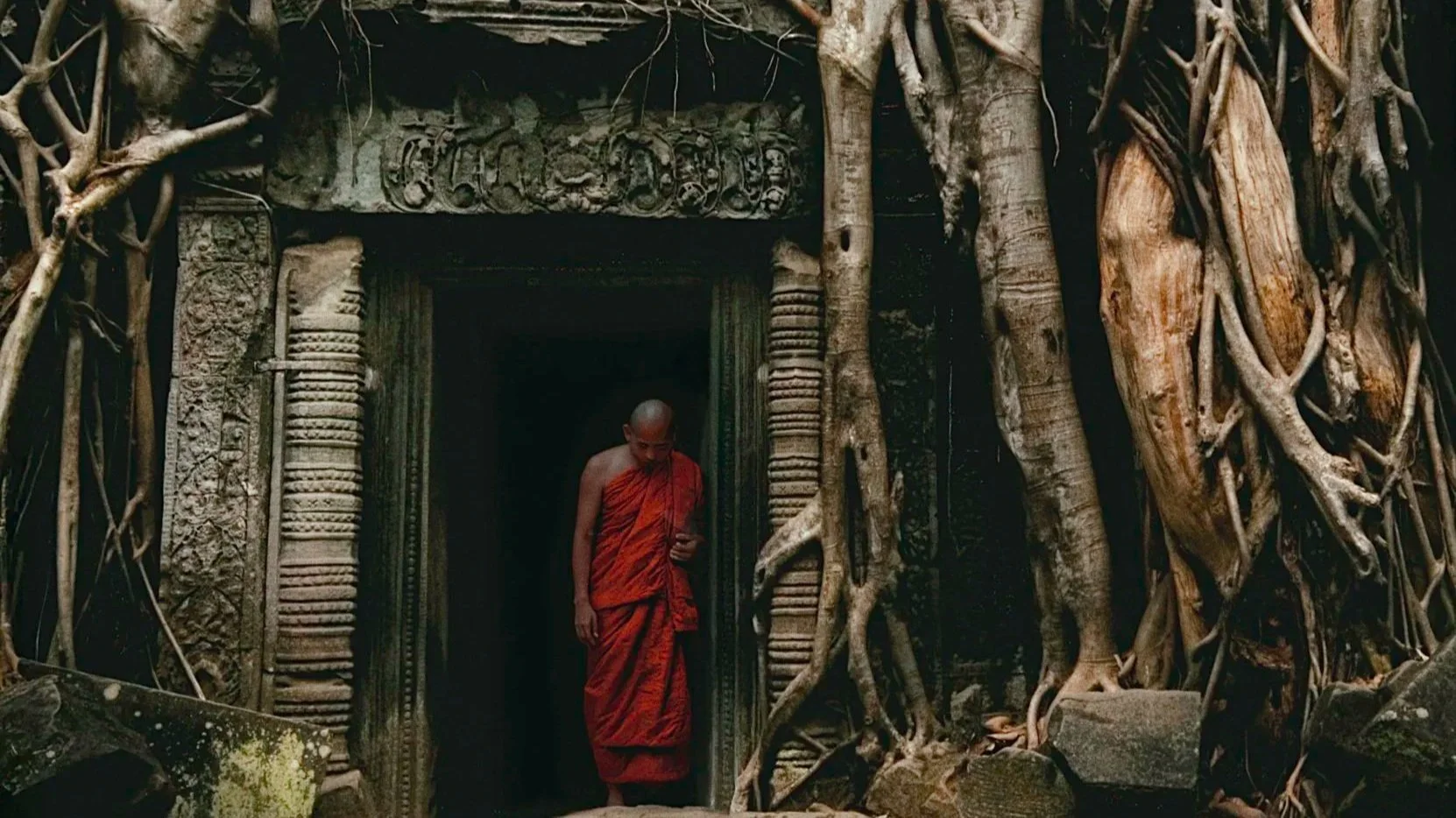
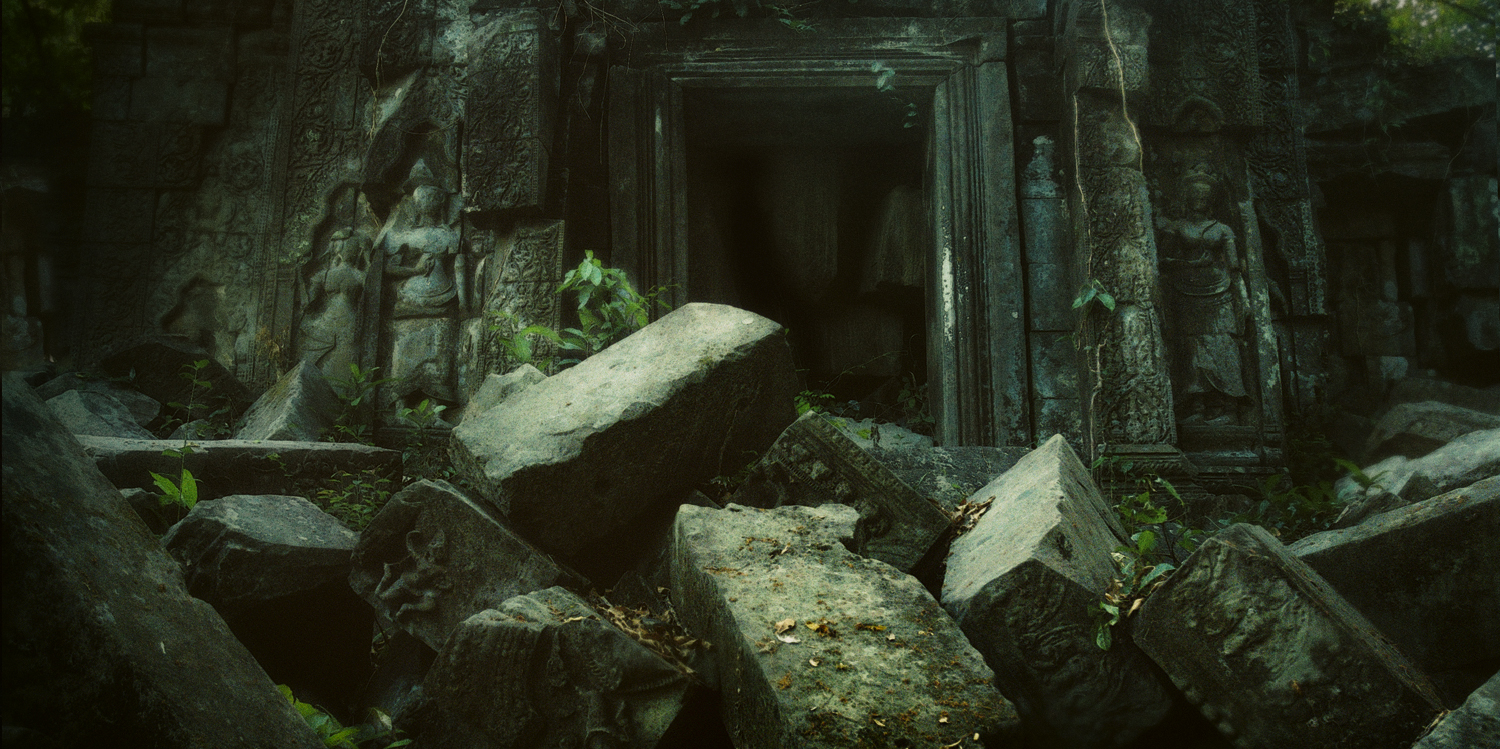
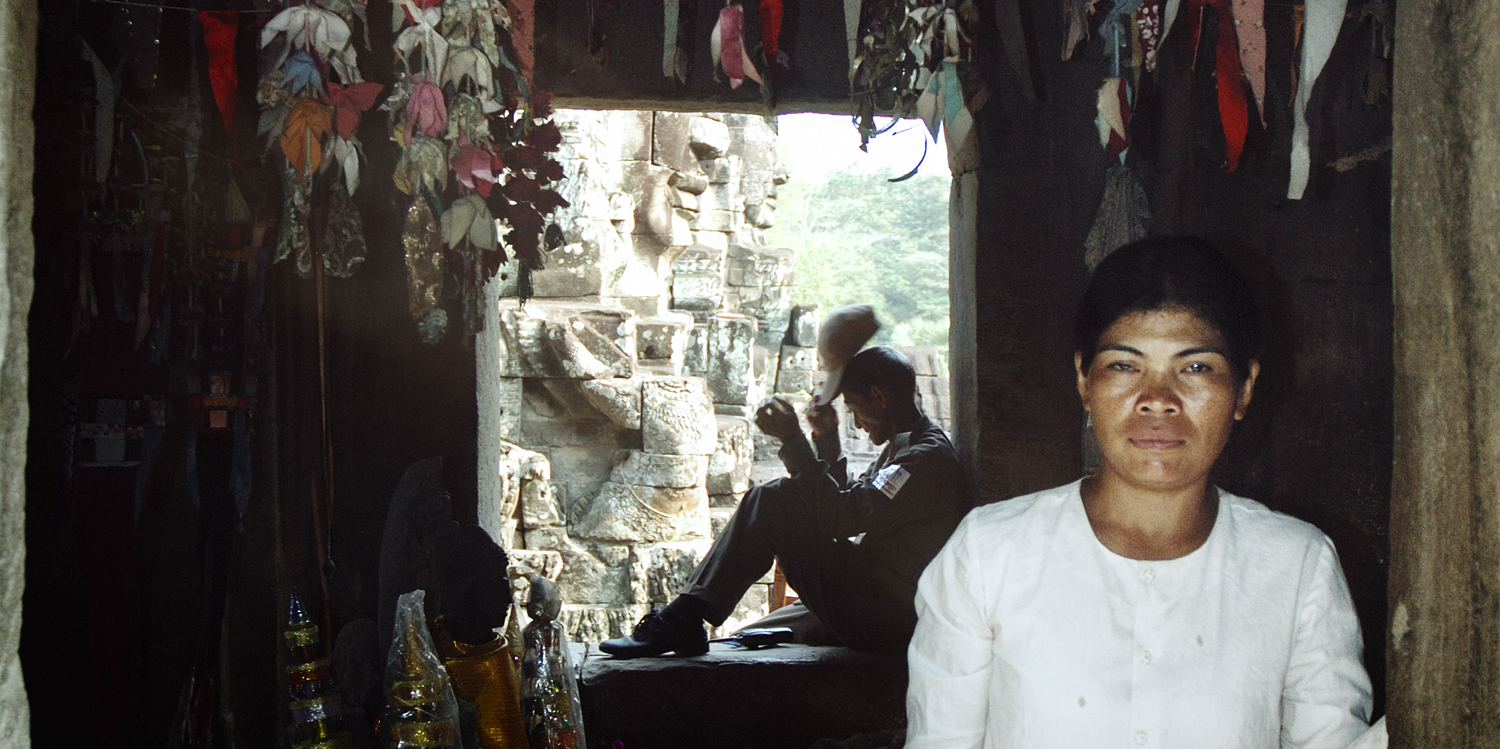
In 2006, I reached a milestone on my list: the ancient stone silence of Angkor. But as I explored Siem Reap, I found myself witnessing a race against "progress." In an effort to preserve the ruins, the jungle was being systematically cut back and the stones were being scrubbed clean.
It felt like an inadvertent erasure of the very thing that makes Angkor timeless. No one travels to these remote reaches of Cambodia to see a pristine monument like the Taj Mahal; we go for the "Jungle Book" dream—the sight of massive roots reclaiming the architecture and the moss-covered mystery of a world swallowed by green. By sanitizing the ruins, they are taking away the magical quality that defines them.
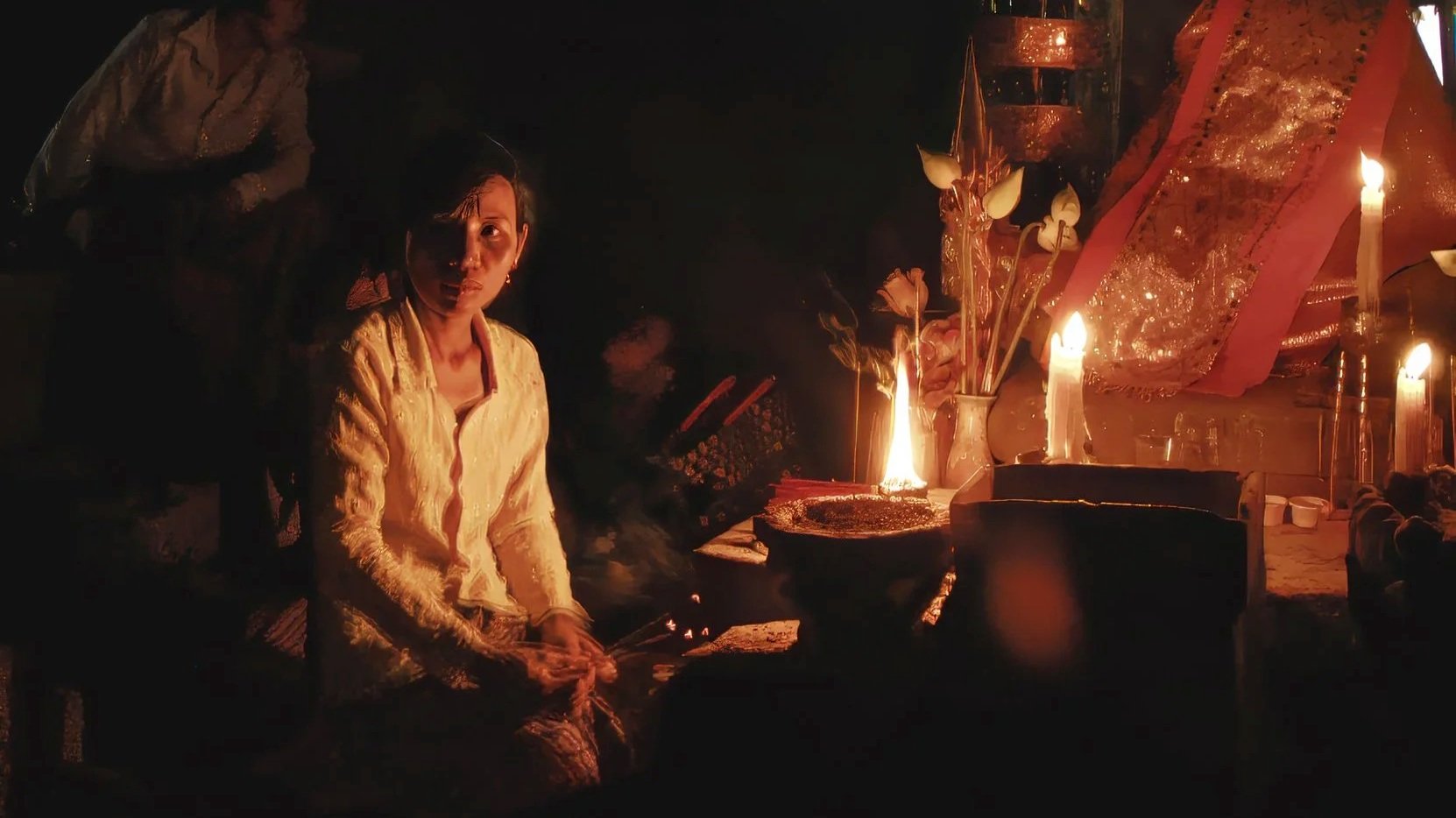
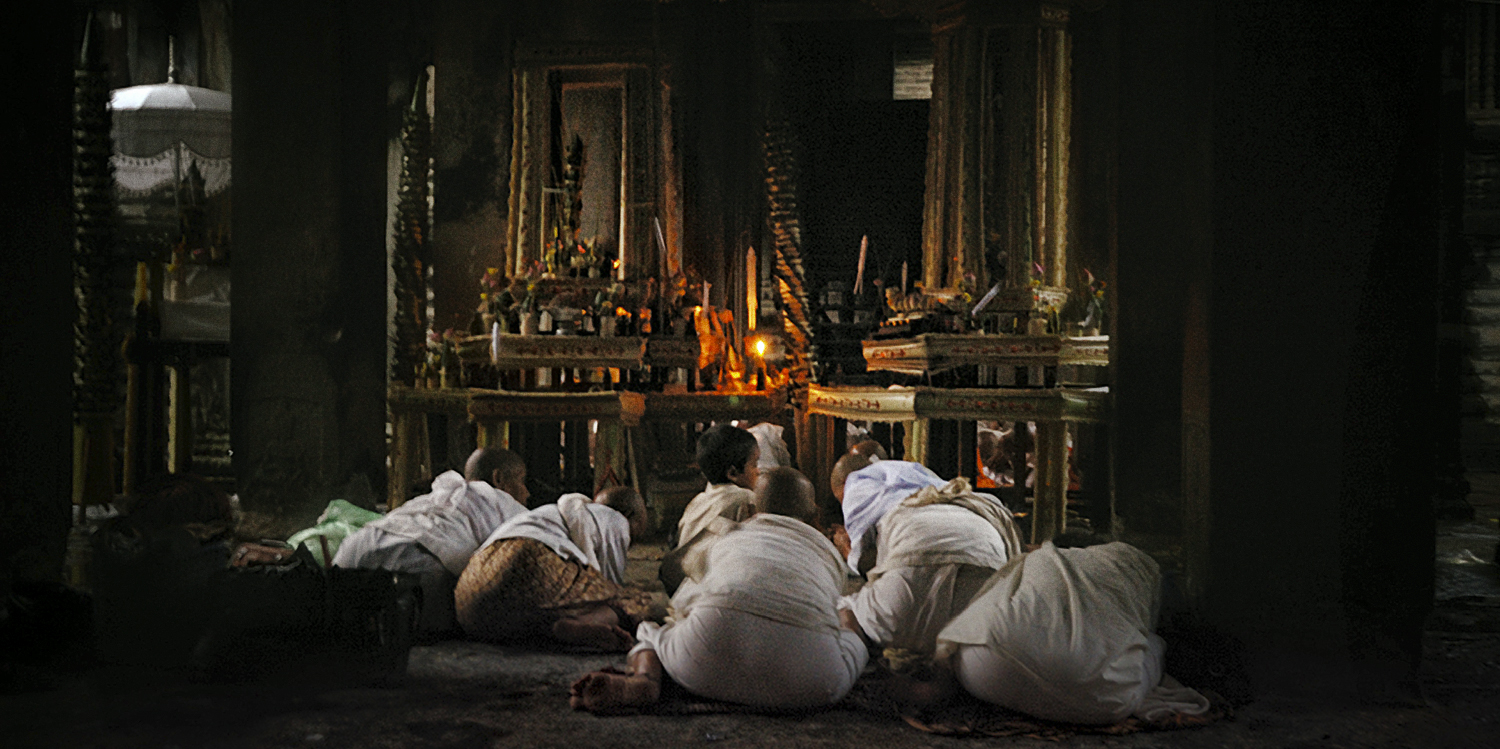
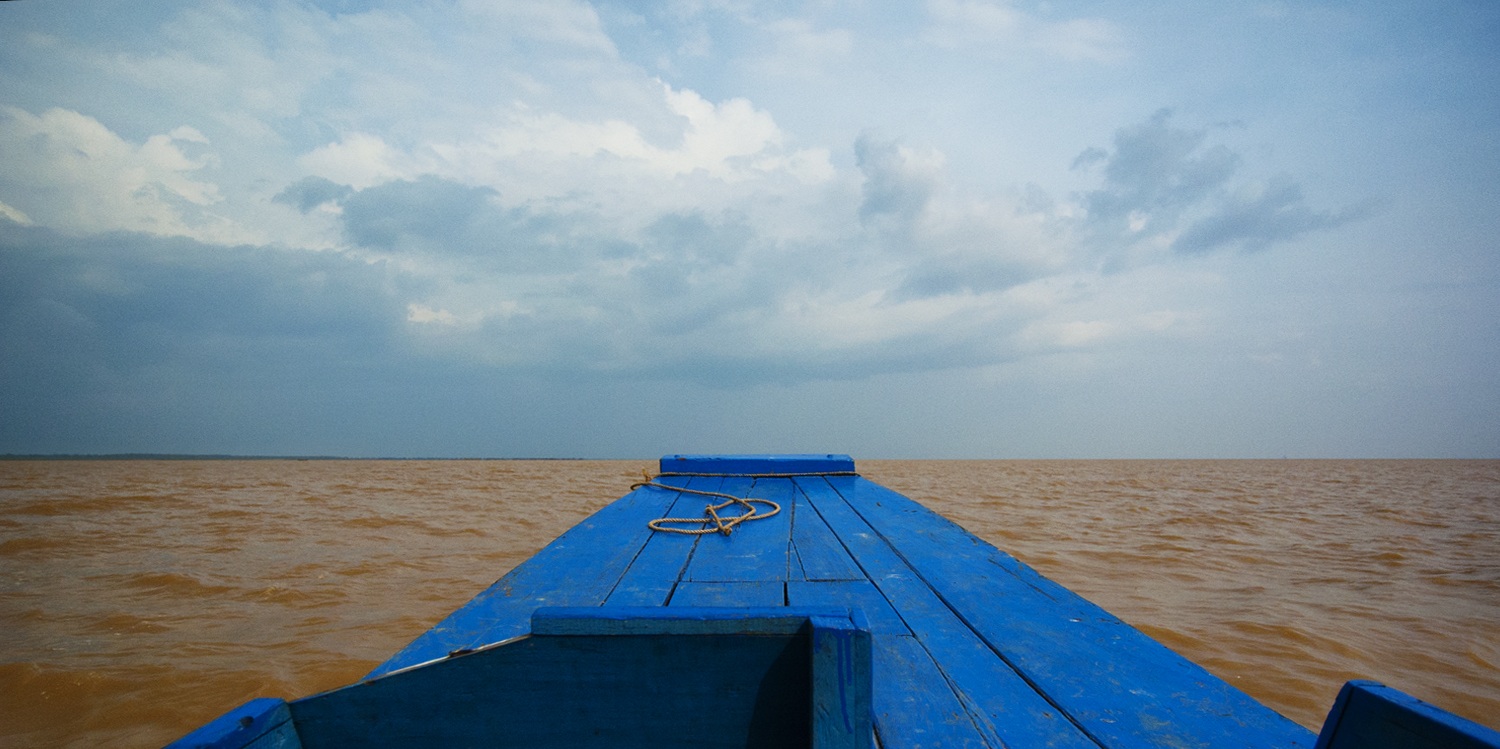
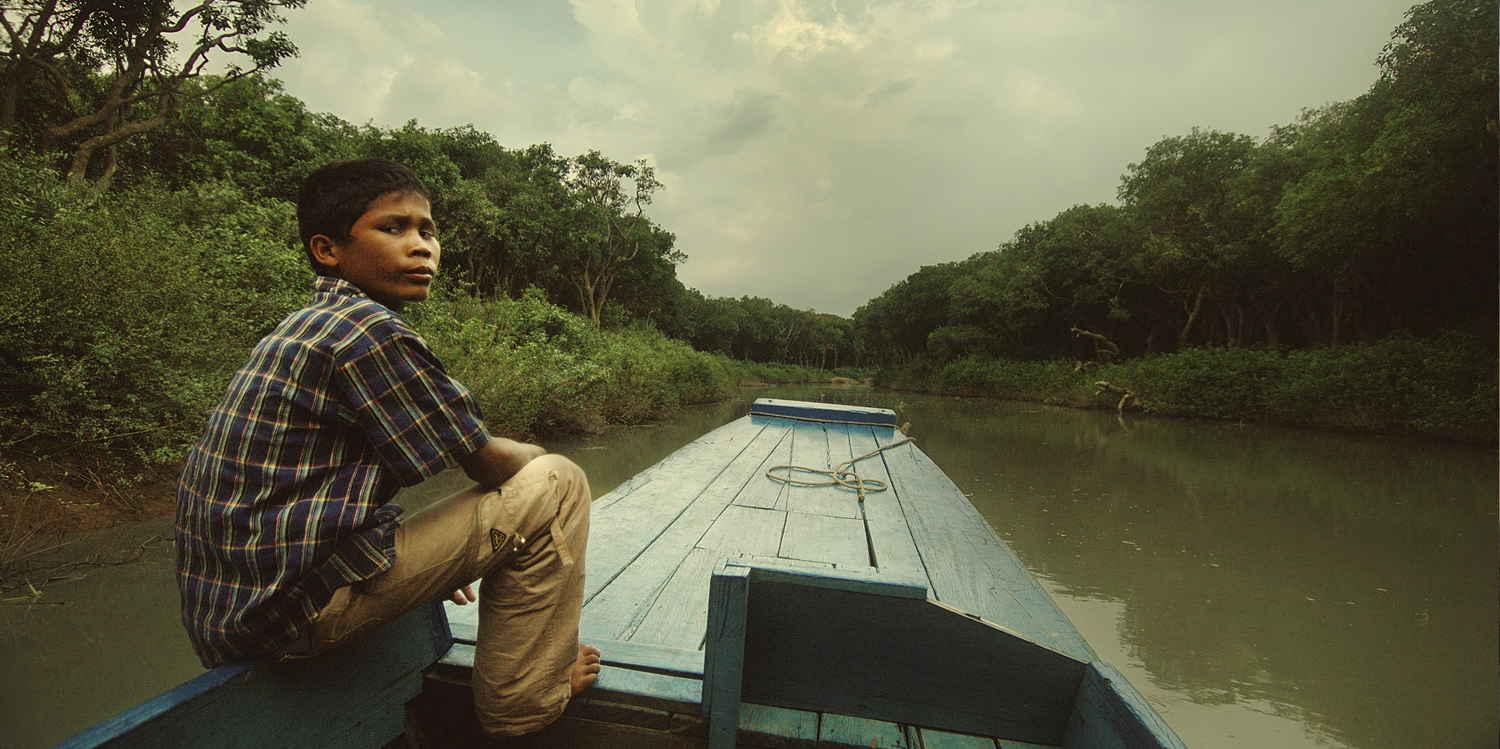
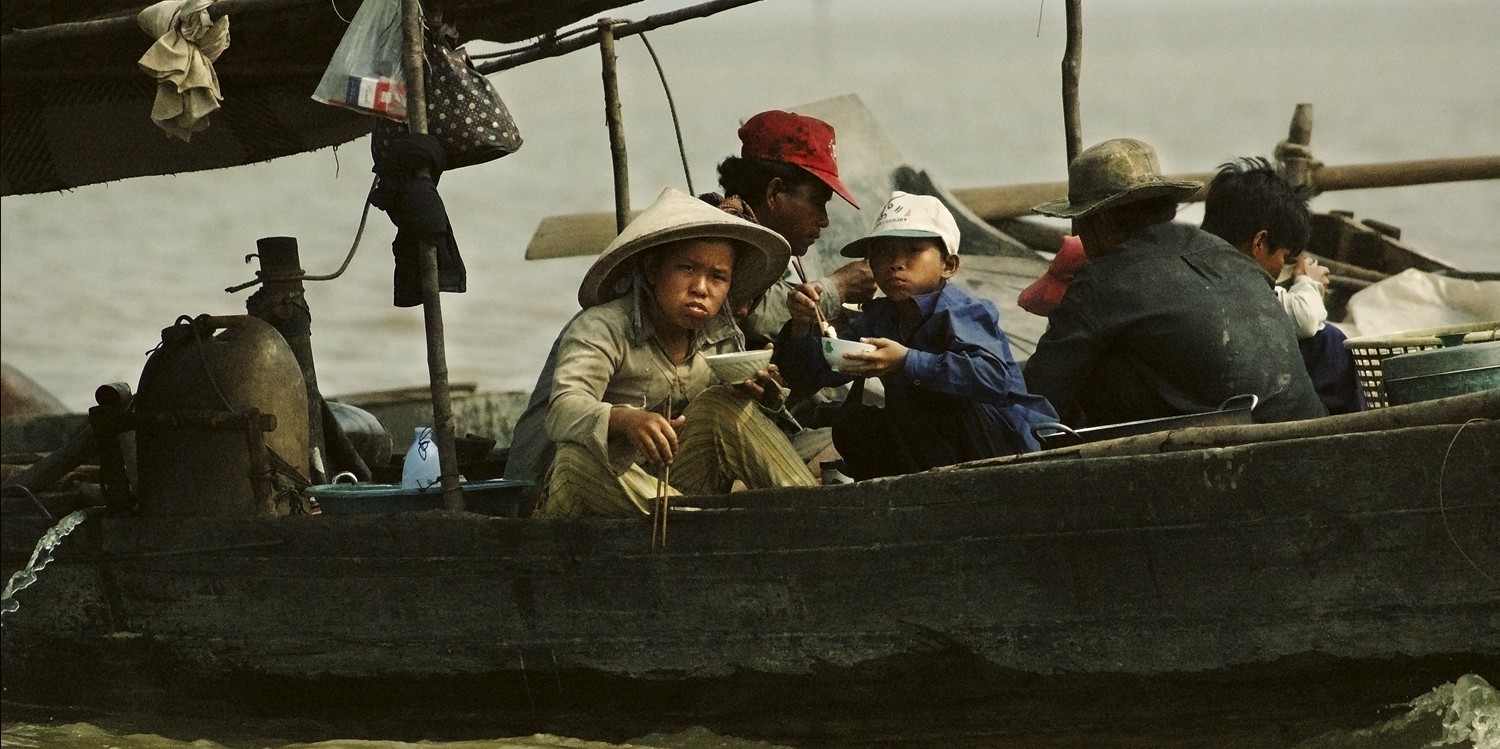
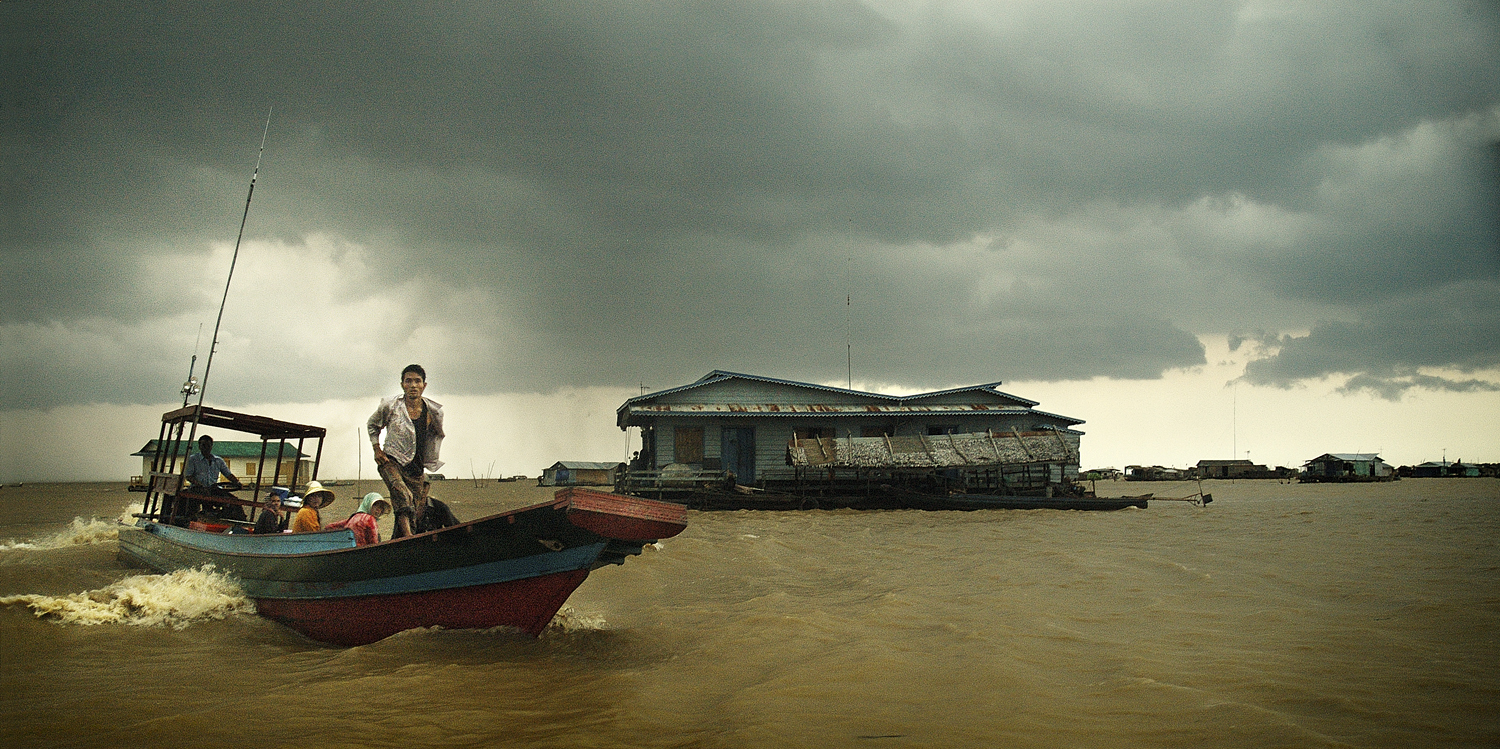
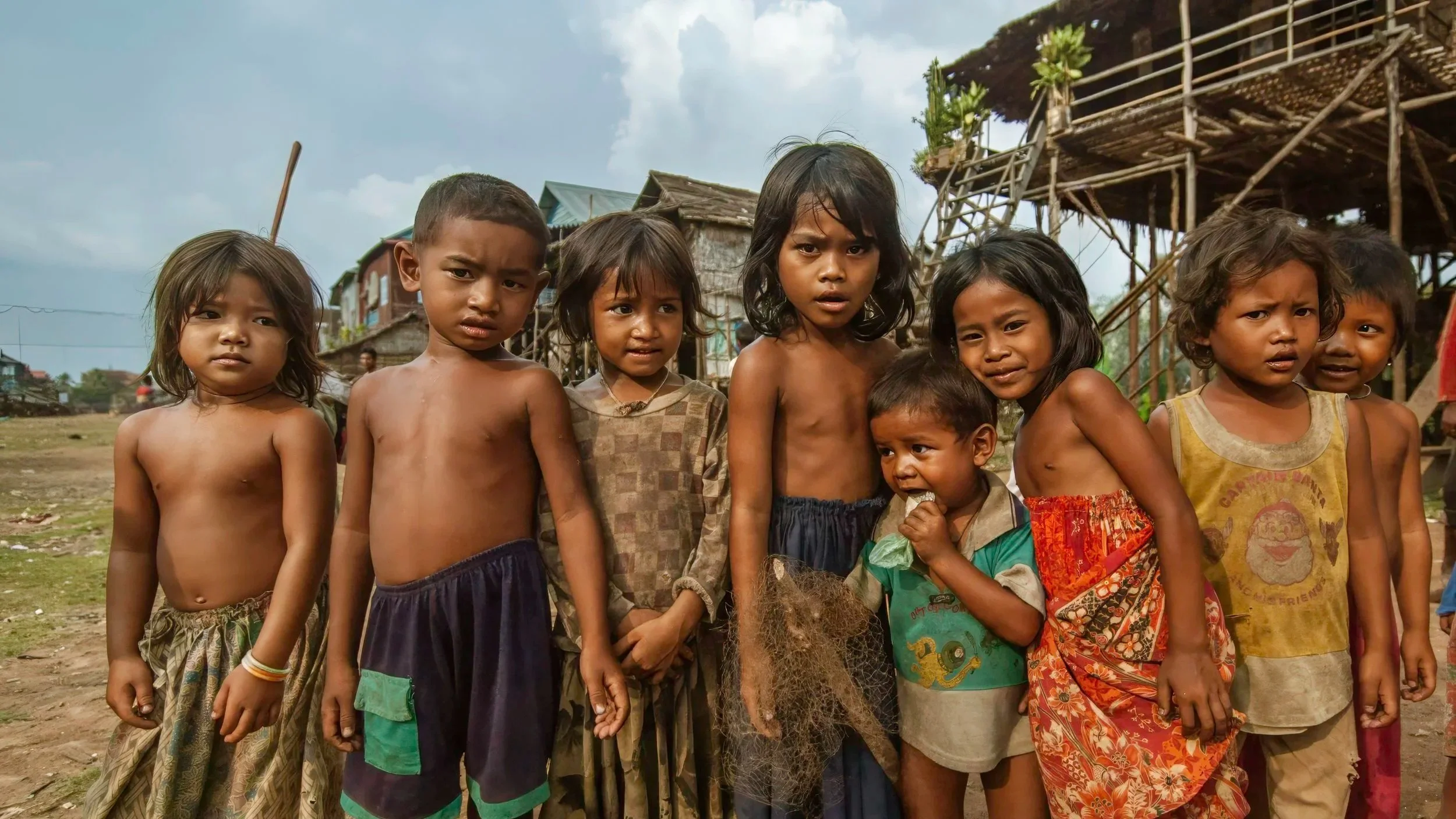
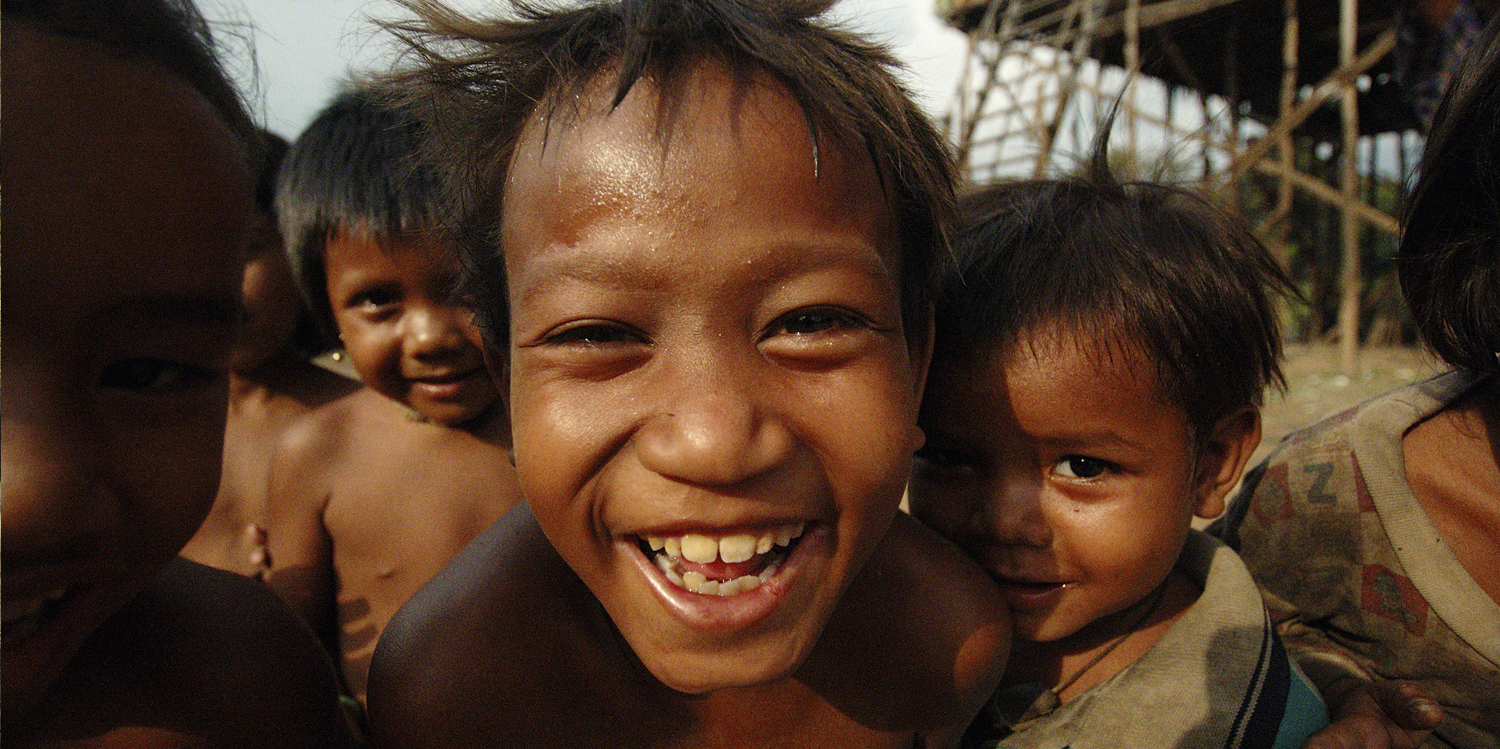
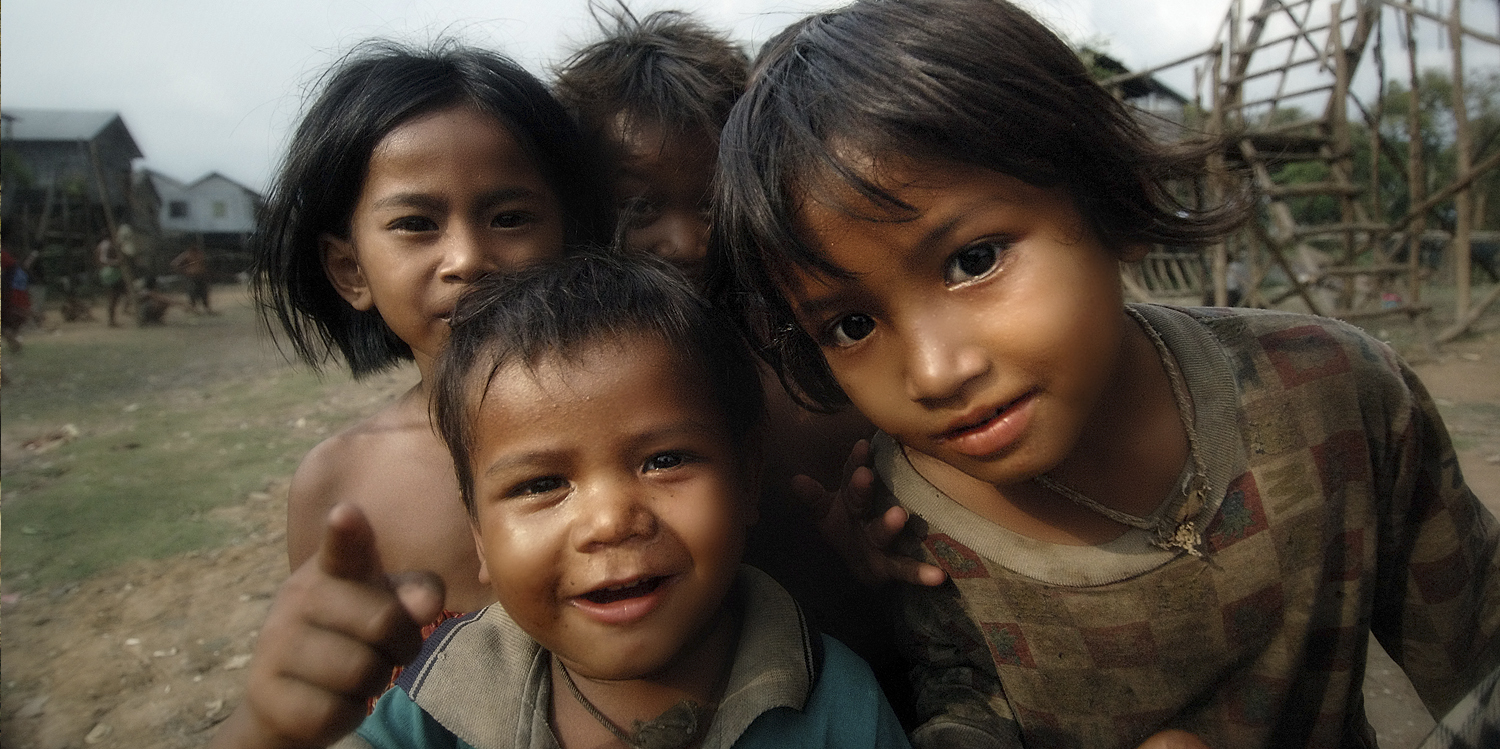
To find the soul that remained, I had to arrive before sunrise. In the pre-dawn hours, before the busloads of tourists flatten the atmosphere, the temples still belong to the shadows. Beyond the main gates, in the unrestored ruins of Beng Mealea and the stilt villages of Kompong Phhluk, the ancient world and the living jungle still coexist in the beautiful, chaotic balance I had traveled so far to find.
Vietnam
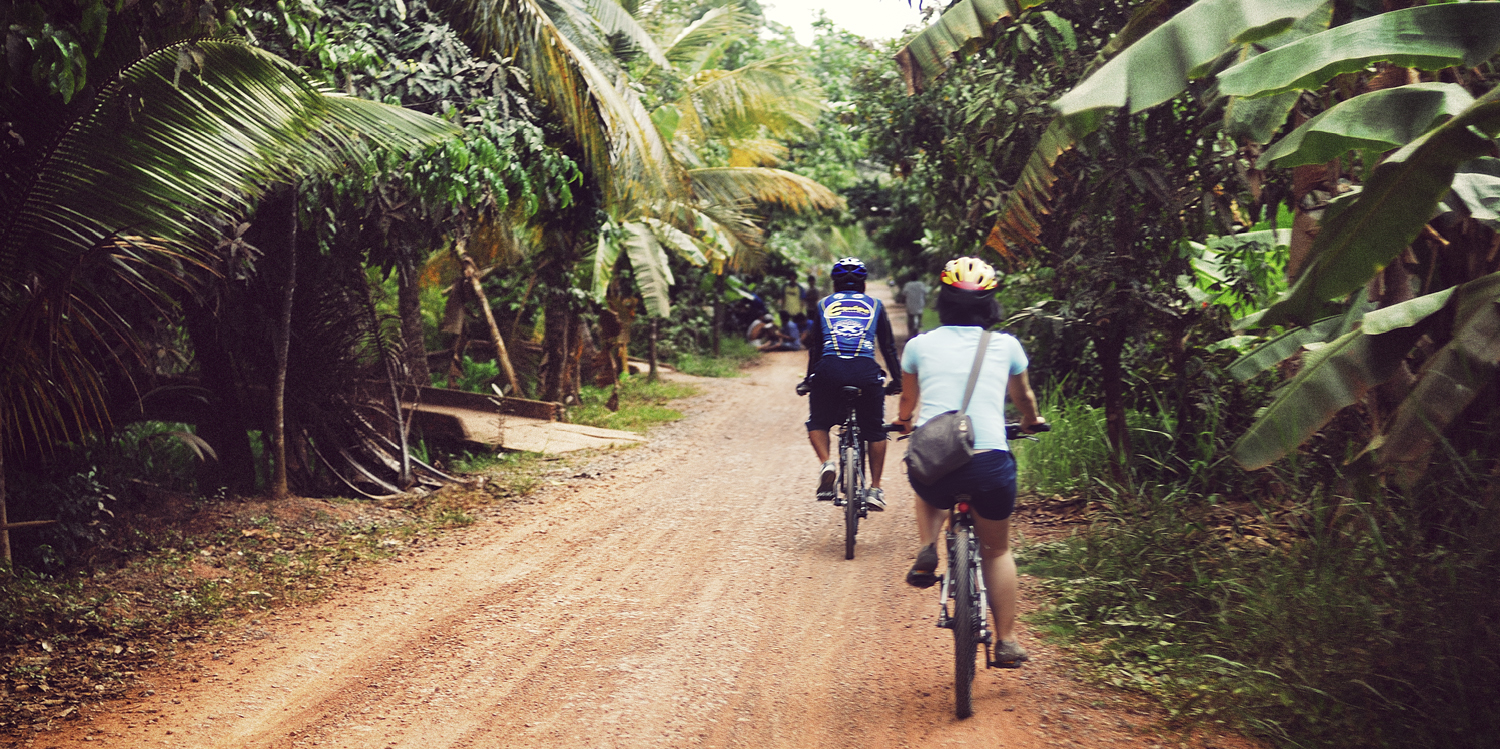
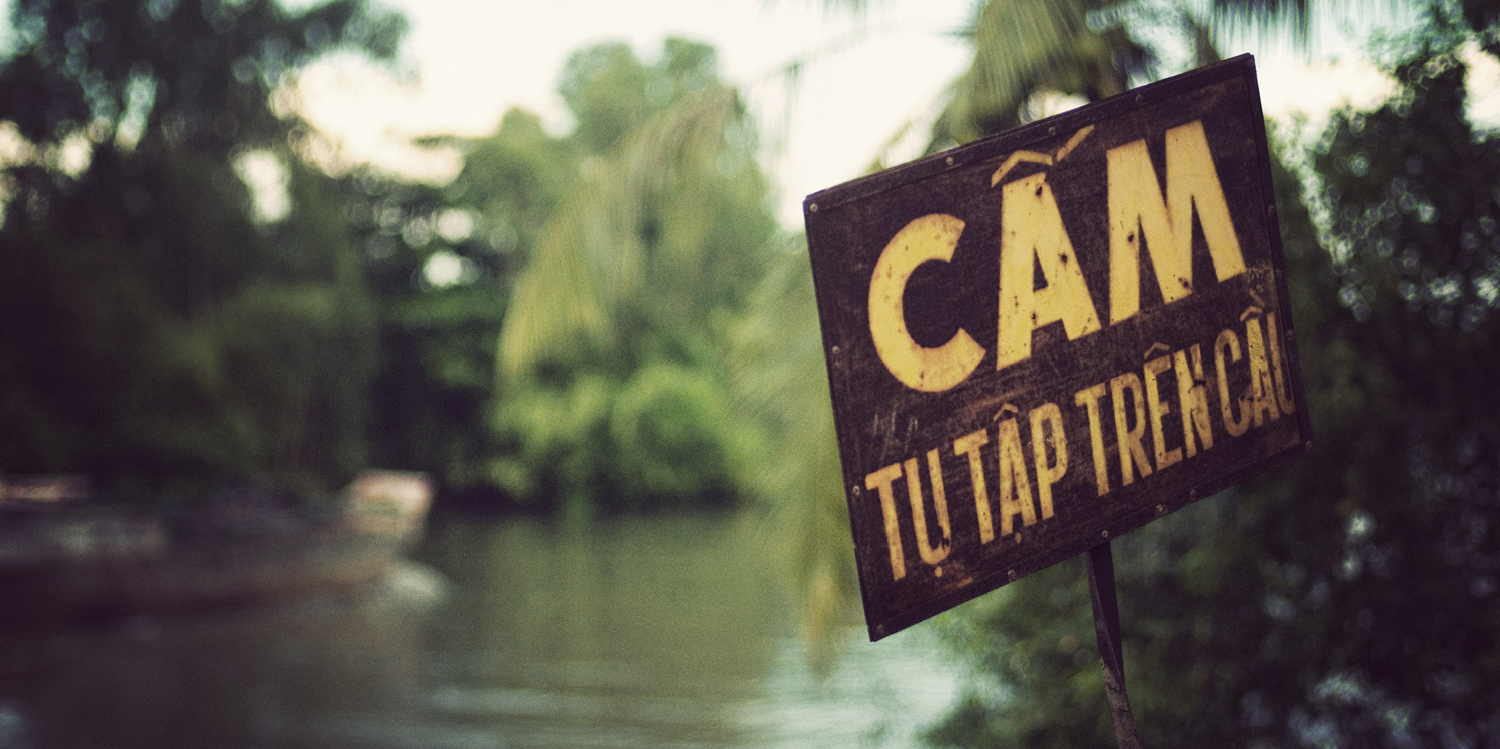
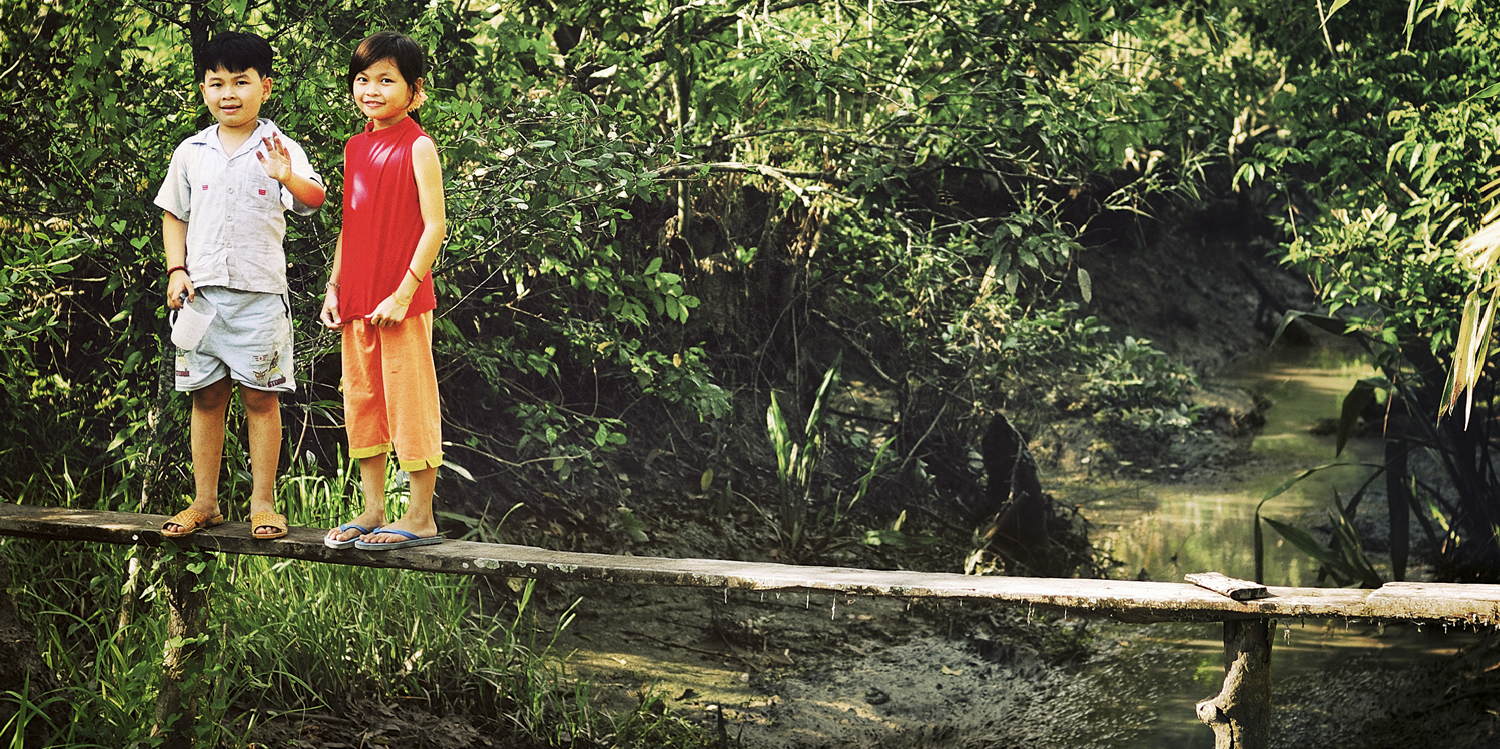
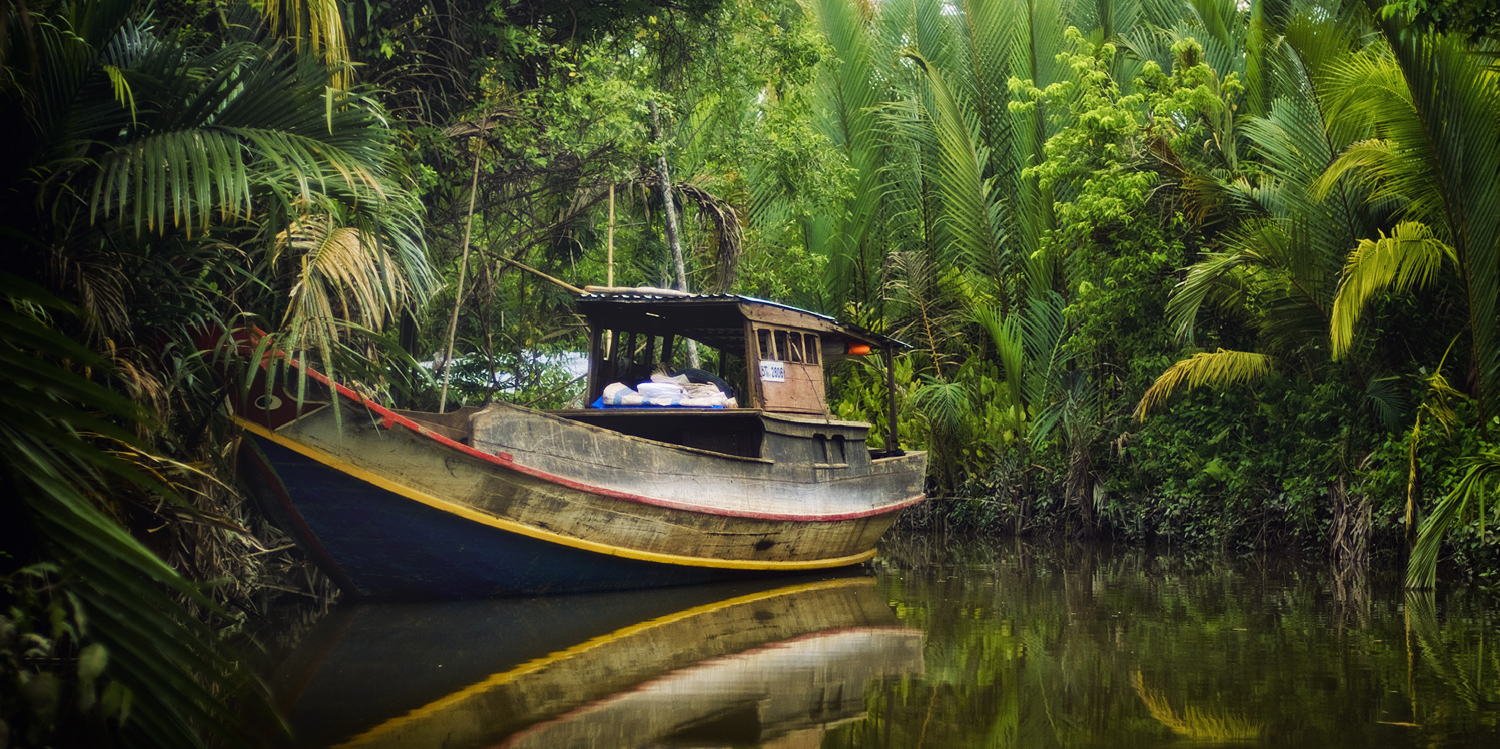
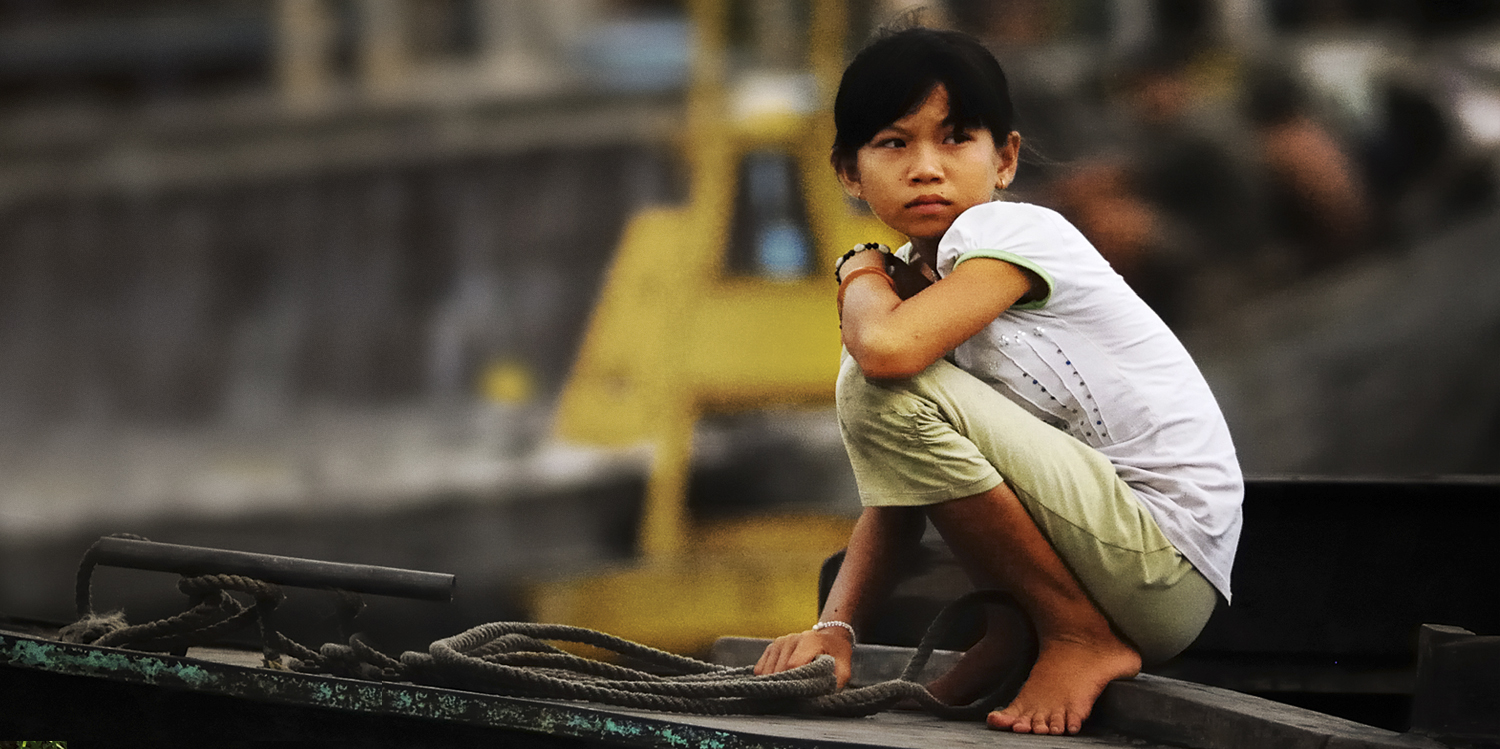
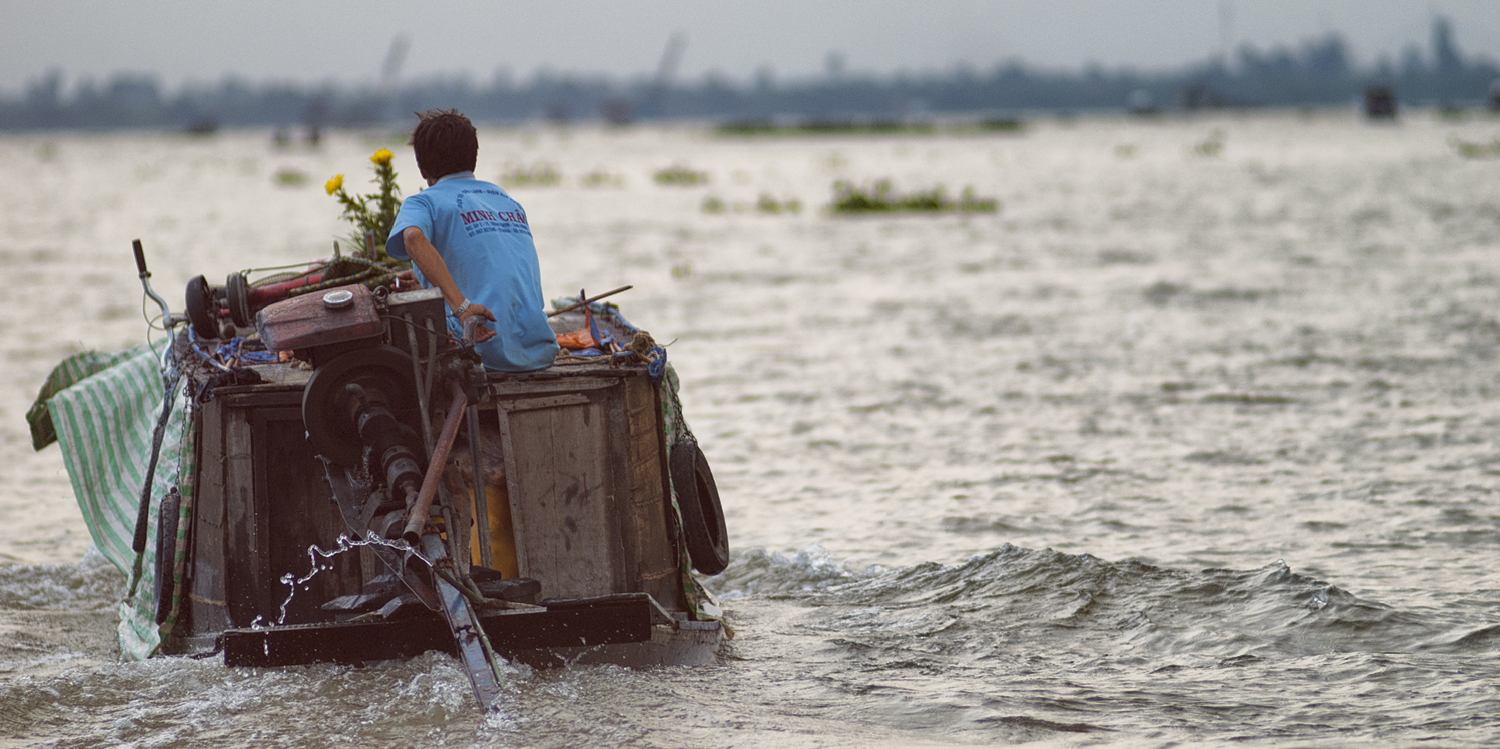
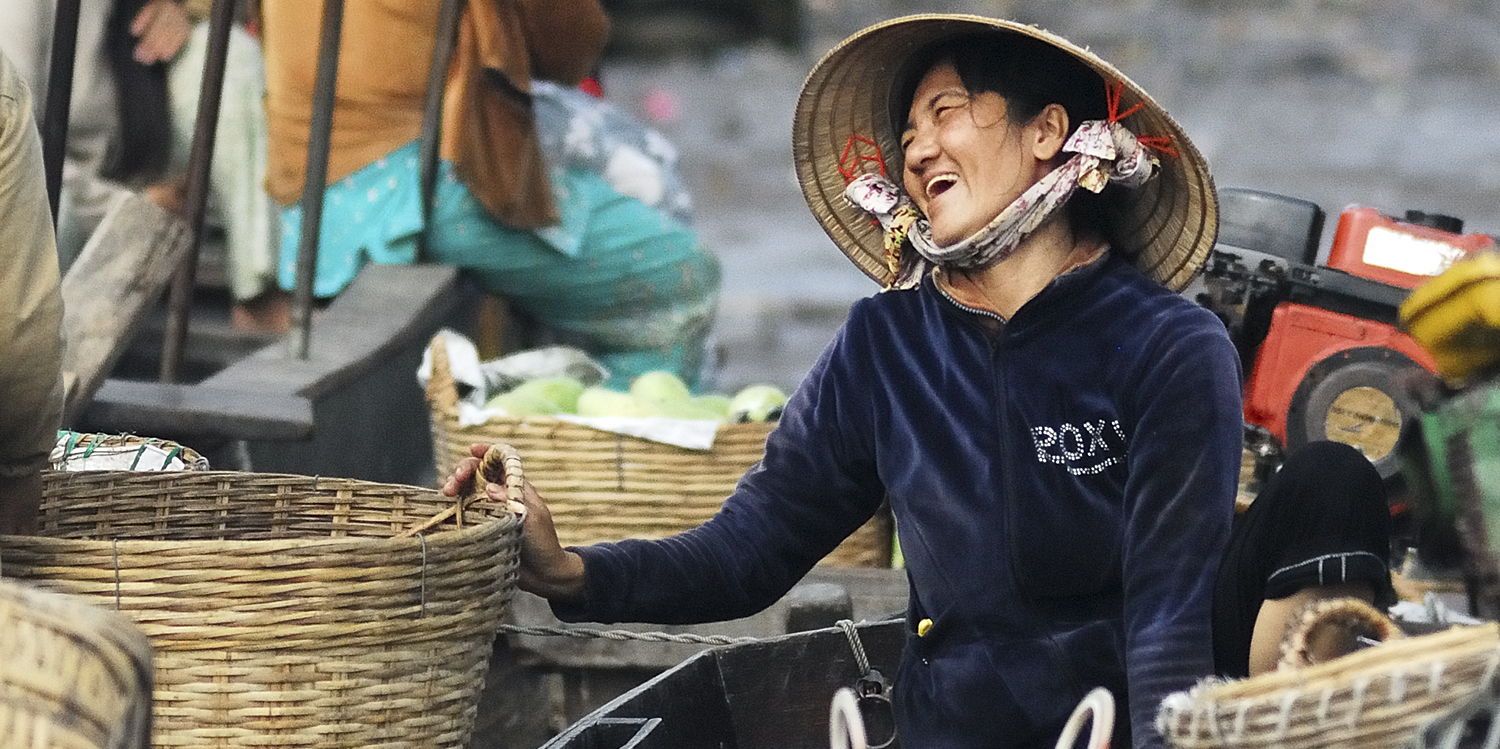

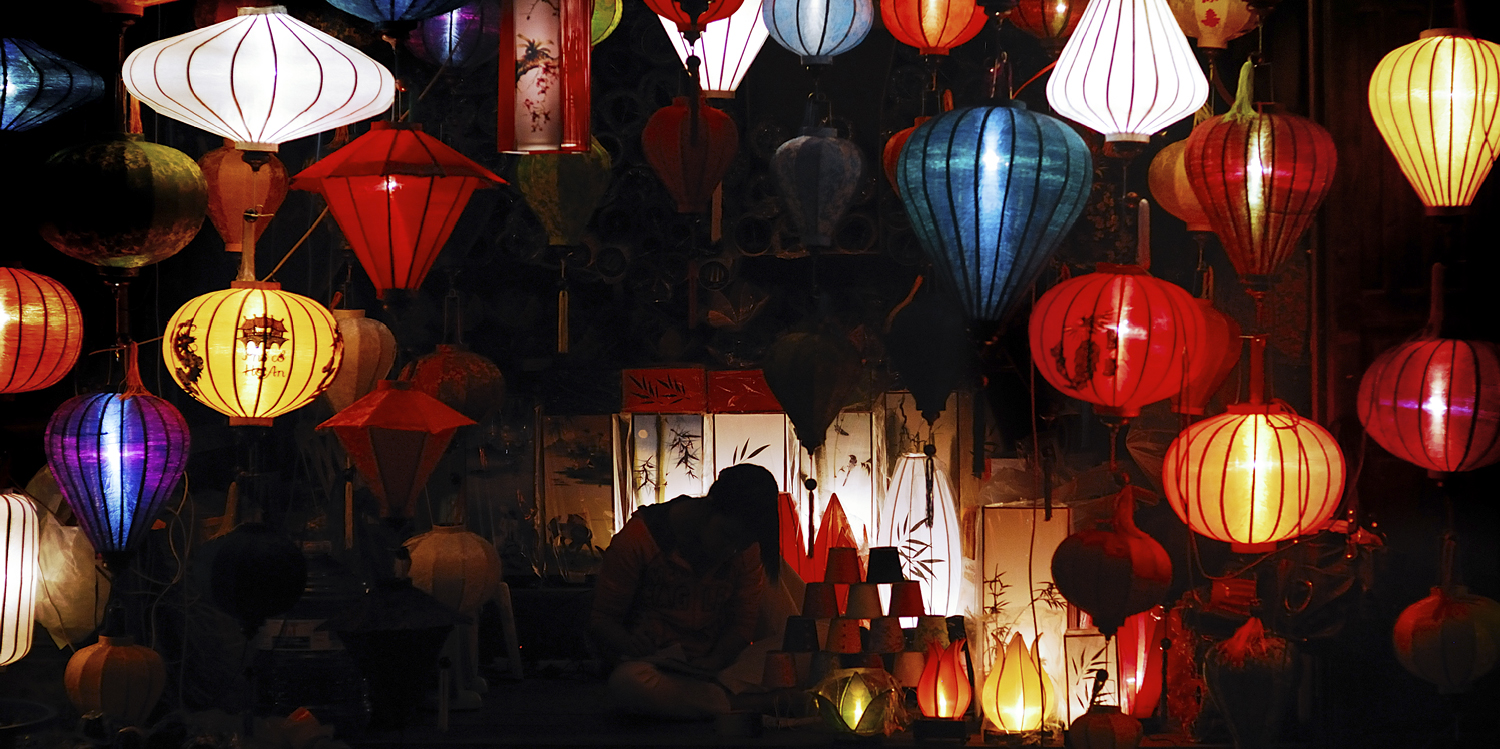
coming soon